Cracks in a family house: what old island builders knew about foundations
What old island builders knew about keeping a house still, and the decisions a family faces when cracks appear in a relative's home.

Julian Pinder · 7 min read
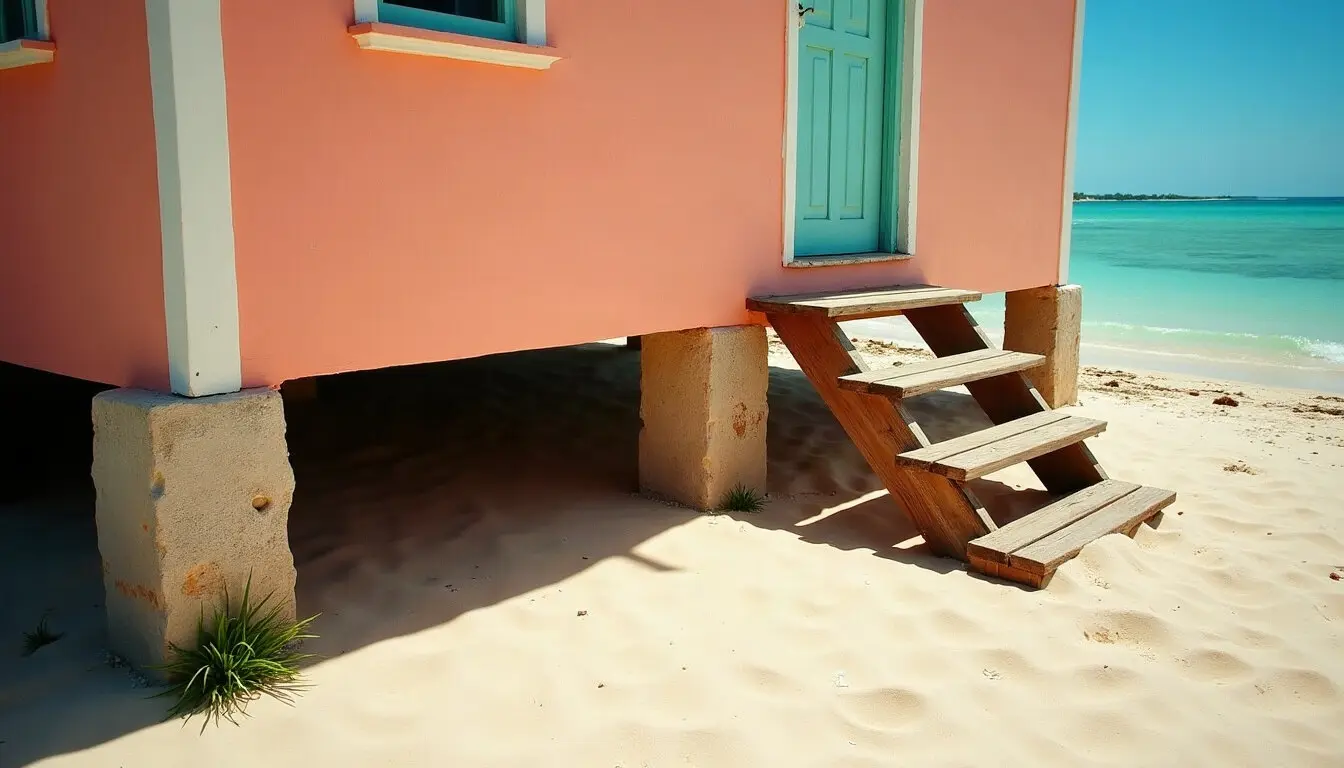
Walk round an old settlement house and look low. Many sit on stone piers or a raised base of cut limestone, with air moving underneath and the floor well clear of the ground. The builders knew that whatever happens under a house happens to the whole house.
That old knowledge comes back to me whenever a reader writes about a hairline crack in a relative's home in Tennessee. A local specialist offering foundation repair Murfreesboro TN can tell you what a crack means far better than any magazine. What we can do is set out the decisions a family faces, in the order they arrive.
Decision 1: Whether a crack is worth worrying about
Traditional island builders worked with what lay beneath them. On limestone, a house could sit on a shallow footing with confidence; on softer ground near a creek or a salt pond, they raised it higher or chose another spot entirely. They watched for the small signs that ground was moving: a door that began to stick, a gap opening under a window sill.
Those same small signs are what a homeowner should notice anywhere. Not every crack is serious. Concrete and plaster shrink as they cure and age, and fine lines are common. Others point to movement in the ground below, which needs a professional's eye.
Signs families commonly report
- Cracks that widen over time, or run diagonally from the corners of doors and windows
- Doors and windows that start to stick or will not latch
- Floors that slope or feel uneven
- Gaps between walls and ceilings, or between the house and a step or porch
Do not try to judge or repair structural movement yourself. A qualified foundation contractor or structural engineer can assess it properly, and the earlier they see it, the more options there usually are.
Island logistics
- On the islands, damp ground near the shore and heavy rain after a dry spell can both move soil. Inland mainland houses have their own versions of the same problem.
- If you live abroad, ask a relative or neighbour to photograph the crack from the same spot every few weeks so changes are easy to see.
- Keep those photographs together with dates; a contractor will find them useful.
Decision 2: Who to call first
In the old days, the builder who put up a house was often the person who came back to fix it. Today the choice is wider, and it helps to know the difference between the people you might call.
A foundation repair contractor assesses and repairs the base of a house. A structural engineer gives an independent assessment and may design a repair. A general contractor coordinates bigger jobs that involve several trades. For a worrying crack, many families start with a foundation specialist and, if the situation is complicated, ask for an engineer's opinion as well.
What to ask on the first visit
- What do you think is causing the movement?
- What are the options, and what does each involve?
- Do you recommend an engineer's report before work starts?
- What permits might be needed? (Ask the local building department as well.)
- What happens to the garden, driveway or patio during the work?
Island logistics
- Managing a parent's house from Nassau is easier if one person handles all the calls and keeps the notes.
- Ask for every estimate in writing so family members in different places can compare them.
- Do not feel pressed to decide on the first visit; a reputable firm will expect you to take time.
Decision 3: Understanding why the ground moves
Island builders did not have soil reports, but they understood water. They sloped yards away from houses, kept gutters and downpipes clear where there were any, and built cisterns to catch rain rather than let it pool against walls. A house that stays dry underneath tends to stay still.
Middle Tennessee has wet spells and dry spells, and soil that takes on water and then gives it up can shift as it does. Trees close to a house, a leaking pipe, or downpipes that empty against the wall can all play a part. A good contractor will look at the whole picture, not just the crack, because a repair that ignores the cause may simply see the same movement return a few seasons later.
Things a professional will usually check
They will look at drainage around the house, the slope of the ground, gutters and where they discharge, nearby trees, and any signs of leaking pipes. Fixing a cause can matter as much as repairing the damage.
Island logistics
- Every islander knows that water finds its way in. The same habit of watching where rain goes is worth bringing to a mainland house.
- After a heavy storm season at home, many of us check our own yards for pooling. Ask a relative to do the same around the Tennessee house.
- Keep gutters clear. Leaves and debris are a problem in any climate.
Decision 4: Choosing a repair and living through it
Old houses on piers were relatively easy to level: a builder could get underneath, wedge and shore. Modern houses on slabs or concrete footings call for different methods, and choosing between them is the contractor's job. What a family can do is understand the options well enough to ask good questions.
Ask each firm to explain, in plain words, what they propose, how long it should last, and what disruption to expect. Ask whether the work comes with any written guarantee and what it covers. Compare more than one estimate where you can, and be cautious of anyone who pushes for an immediate decision.
Preparing the household
Foundation work can mean noise, digging and machines in the yard. Older relatives may find it unsettling, and pets will certainly have opinions about strangers digging in the garden. Agree on working hours, where vehicles will park, and how the site will be left at the end of each day.
Island logistics
- If family members are travelling from the islands to be present, plan visits around key stages, such as the start of the work and the final inspection.
- Ask how the contractor protects nearby concrete, such as a patio or a driveway, during the job.
- Keep all paperwork, from the first estimate to the final invoice, in one folder.
Decision 5: Keeping an eye on it afterwards
The best island houses lasted because someone looked after them: a fresh coat of limewash, a cleared gutter, a loose shutter tightened before the season. A repaired foundation is no different. The work should come with advice on what to watch for.
Ask the contractor what changes would be a reason to call them back, and what routine checks the family should do. Walk round the house once or twice a year and note anything new.
Island logistics
- Tie the check to something regular, such as the start of hurricane season at home, so it does not get forgotten.
- Keep the contractor's details with the household records in both countries.
- If the house is sold one day, a record of repairs and checks will help.
Before the next season
This month, ask whoever is closest to the house to photograph every crack you are worried about, with a door frame or window in the shot for scale, and date each picture. Then book a visit from a qualified foundation contractor and let them say what it means. The old builders kept their houses still by watching the ground; that habit still serves well.
Frequently asked questions
Are all foundation cracks a sign of trouble?
No. Fine cracks are common as materials age. Cracks that widen, run diagonally or come with sticking doors and windows are worth a professional assessment.
Should I see an engineer or a contractor first?
Many families start with a foundation contractor and ask for an engineer's opinion if the situation is complicated. A qualified professional can advise on the right route.
Keep reading
Financial services in the Bahamas: banks, trusts, funds and regulators
How the Bahamian financial sector fits together: domestic and offshore banks, trust companies, funds and insurers, and the five bodies that regulate them.

Repainting a mainland house before a move: the order of jobs from the islands
Leaving a Colorado house for the islands? Here is the order of painting decisions so fresh walls help the move rather than slow it.

An older bathroom, island lessons: what to decide before the remodel
Island houses taught us to plan a bathroom around water and air first. Here is the order of decisions before an older bathroom is remodelled.