Swapping a bathtub for a shower: the order of jobs for a parent's home
Turning a parent's tub into a safer shower, step by step: what to do now, what to plan for, and how to manage the work from a distance.

Hannah Lowe · 7 min read
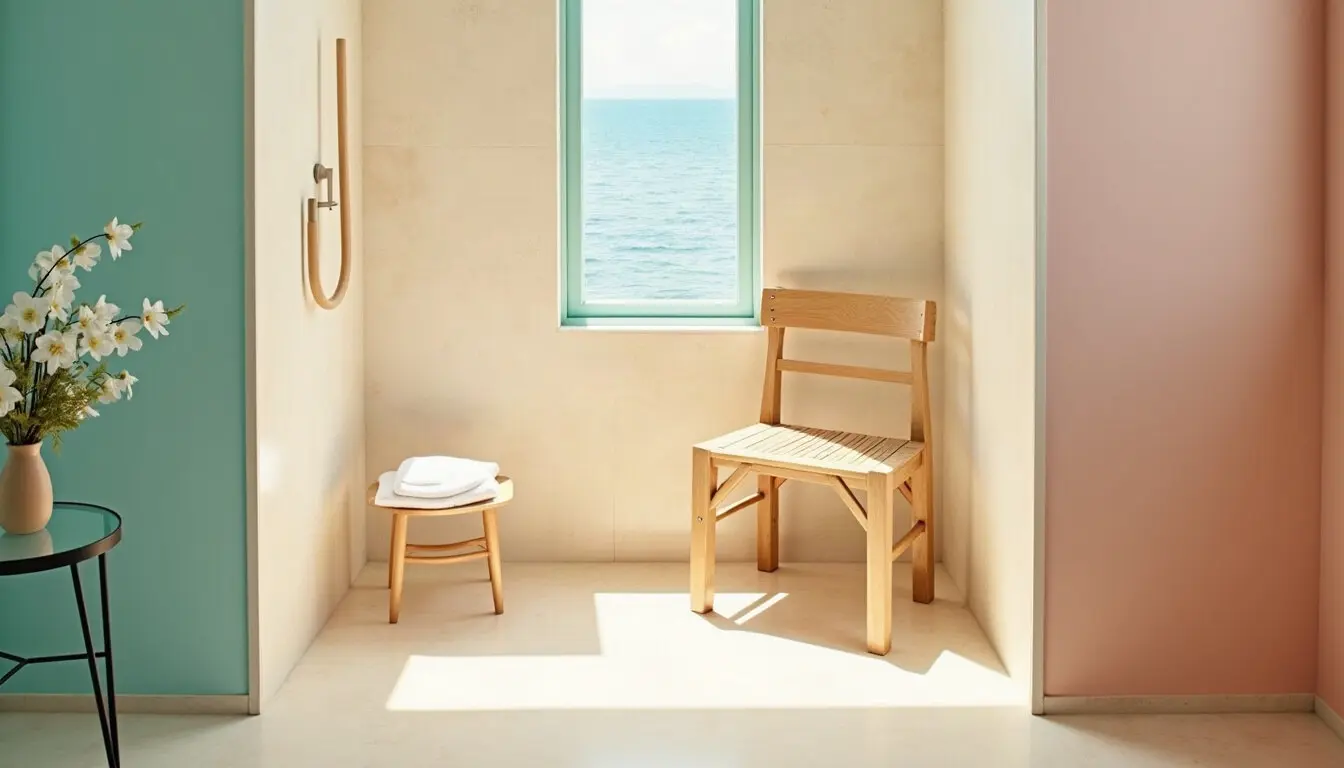
Plenty of Bahamian families have a parent who winters somewhere drier, and the same phone call comes sooner or later: the bathtub has started to feel risky, and climbing over the edge is no longer something they do without thinking. It starts a project many households go through, turning a tub into a shower so a parent can stay independent for longer.
If you are looking at it for a relative, one local option is Toscani Interior Services AZ, which lists tub to shower conversion among its bathroom remodeling services in Scottsdale. Below is the order of jobs I would follow, split into what to do now and what to plan for.
Decision 1: Whether a conversion is the right change
Before anyone talks about tiles, sit down with the person who will use the room. Some people miss a bath more than they expect; others have not used the tub in years and only keep it because it came with the house. The decision is about how they wash, how steady they feel and how long they expect to stay in the home.
Do now
- Ask the parent, gently, what feels hard in the bathroom today.
- Note whether there is another bathroom with a tub in the house, for grandchildren or guests.
- If a doctor or therapist has made suggestions about bathing, write them down for the contractor.
Plan for
Think a few years ahead. A shower that works for someone who walks well today should still work if they later need a seat or a steadying hand. It is easier to build that in once than to change the room twice.
Island logistics
- Families split between the islands and the mainland often have this conversation on a video call. Ask the parent to walk through the room with the camera so everyone sees the same thing.
- If the parent spends only part of the year in the house, schedule the work for the months they are away, so they come back to a finished room.
- Keep one family member as the contact for the contractor; three cousins ringing with different instructions slows everything down.
Decision 2: Getting the room looked at properly
A tub that has sat against a wall for decades may hide surprises: old pipework, a floor that has taken water over the years, or walls that need more than a new surface. This is why the first visit from a professional matters more than the brochure.
A good bathroom remodeler will look at the plumbing, the drain position, the floor and the walls around the tub. They will tell you whether the existing drain can be used and what else might need attention. Plumbing and any electrical work belong with licensed tradespeople, and permits may be needed; ask the local building department or let the contractor explain.
Do now
- Book an assessment visit, and ask for it in writing afterwards.
- Ask what is included and what would be extra if something turns up behind the tub.
Plan for
Allow some flexibility in both time and budget. Older bathrooms rarely reveal everything until the tub is out.
Island logistics
- In island houses we expect surprises behind walls, because damp travels. Desert houses have their own quirks, so expect the unexpected there too.
- Ask for photographs once the tub is removed, especially if nobody in the family can be there in person.
- If the house is empty during the work, arrange for a neighbour or contractor to check it is locked up each day.
Decision 3: Choosing the shower itself
This is the part families enjoy, and it is where it pays to stay practical. The main choices are the floor, the walls, the door or screen, and the fittings. A specialist in custom bathroom work will show you options; the questions below help you choose the ones that suit the person, not the showroom.
| Feature | What it generally offers | Worth asking |
|---|---|---|
| Low or level entry | Easier, safer stepping in | How water is kept in the shower area |
| Built-in or fold-down seat | Somewhere to sit while washing | How it is fixed to the wall |
| Hand-held shower head | Easier washing while seated | Where the controls will sit |
| Grab rails | Something firm to hold | Whether the wall is prepared to take them |
Floors and finishes
A floor that is not slippery when wet is the single most useful choice. Light colours help someone with weaker eyesight see edges, and a contrasting strip or change of tone at the entry shows where the shower begins. Fewer grout lines mean less cleaning, which matters if the parent will be managing on their own.
Island logistics
- On the islands, we choose finishes that shrug off salt and damp. In a dry desert climate, the concern shifts to dust and easy cleaning, but non-slip floors matter everywhere.
- Confirm that chosen fittings are in stock before work begins, so the room is not left half-finished.
- Ask for a sample of the floor finish and let the parent feel it underfoot.
Decision 4: Living with the work
A conversion can disrupt a household more than people expect. There will be noise, dust and a few days without a working shower. For an older relative, that can be unsettling.
Do now
- Decide where the parent will wash during the work: another bathroom, a neighbour's, or a stay with family.
- Clear the bathroom and the route to it before the contractor arrives.
- Agree start and finish times for the working day.
Plan for
Ask the contractor how they protect floors and furniture and how they clean up each day. A tidy site matters more when someone elderly is living in the house, because a stray tool or a dust sheet on the stairs is exactly the kind of thing that causes a fall.
Island logistics
- If the parent is staying on the islands while the work happens, ask the contractor for a final walk-through by video before the last payment.
- Desert summers are very hot; if the house is closed up, ask how materials will be stored so they are not spoiled by the heat.
- Keep spare keys with one trusted person locally, not under the mat.
Decision 5: After the conversion
When the new shower is in, give the parent time to get used to it. Check that the seat is at a comfortable height, that the hand-held head reaches where it should, and that they can work the controls easily.
Do now
- Do a first shower with someone nearby, just in case.
- Put a non-slip mat outside the shower, and a towel within reach.
Plan for
Ask the contractor what the room will need over the years: resealing, cleaning products that will not damage the finish, and how to spot an early leak.
Island logistics
- Whoever checks on the parent should know what a healthy shower looks like and what a slow leak looks like.
- Write down the contractor's details and keep them with the household papers in both homes.
- Review the bathroom again after a year; small adjustments are easy once you see how it is used.
Before the next season
This week, have a calm conversation with the parent about how they feel in the bathroom, and write down what they say. Then arrange for a qualified local contractor to look at the room before anyone chooses a tile. A safe shower is a small change that lets someone keep their own routine for a long time.
Frequently asked questions
How long does a tub to shower conversion usually take?
It depends on the room and what is found behind the tub. Ask the contractor for a written estimate of the timeline after they have assessed the bathroom.
Can a seat or grab rails be added later?
Often yes, but it is easier to prepare the walls during the conversion. Ask the contractor to plan for them even if they are not installed straight away.
Keep reading

Financial services in the Bahamas: banks, trusts, funds and regulators
How the Bahamian financial sector fits together: domestic and offshore banks, trust companies, funds and insurers, and the five bodies that regulate them.

Repainting a mainland house before a move: the order of jobs from the islands
Leaving a Colorado house for the islands? Here is the order of painting decisions so fresh walls help the move rather than slow it.
An older bathroom, island lessons: what to decide before the remodel
Island houses taught us to plan a bathroom around water and air first. Here is the order of decisions before an older bathroom is remodelled.