Learning to surf on a predictable wave: what to decide before the trip
Why a man-made wave suits beginners, how to plan a family surf trip to Florida, and how to bring those skills back to island water.

Julian Pinder · 7 min read
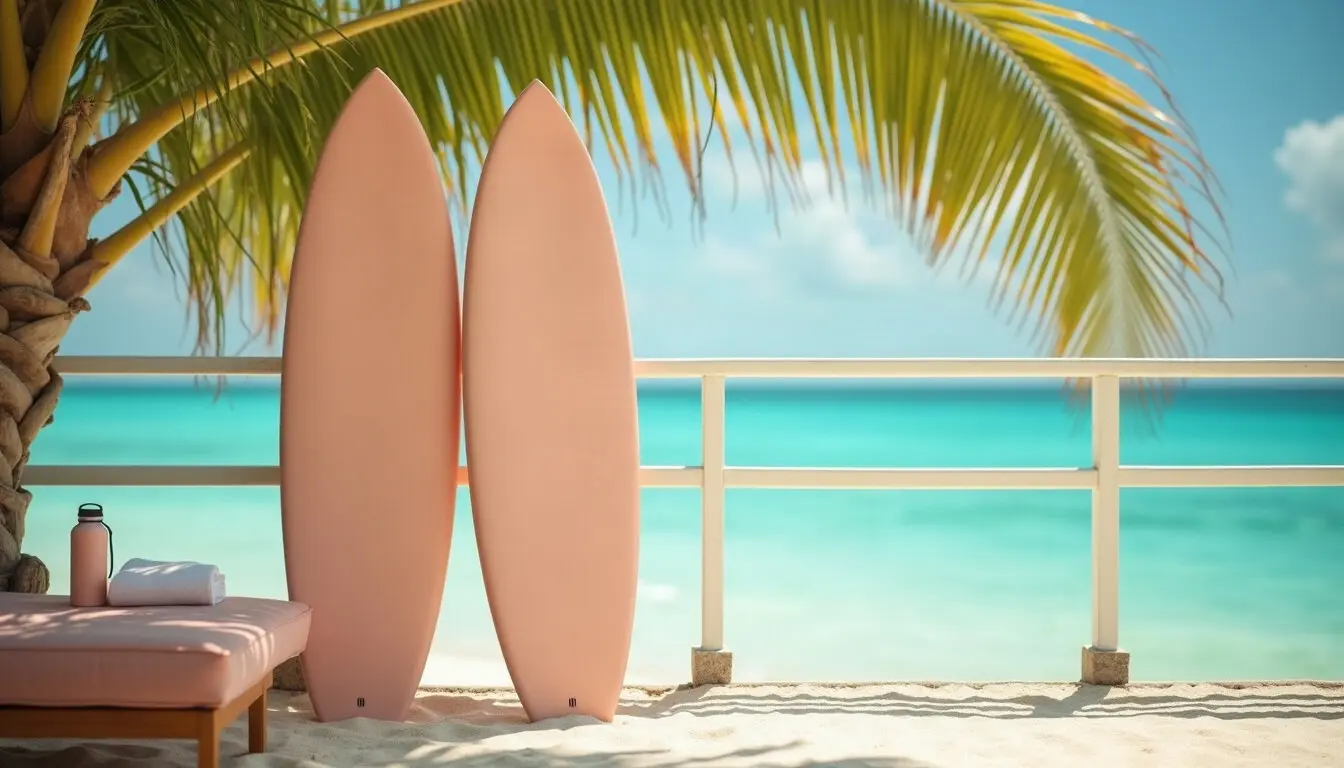
Islanders have always learned the sea from the shore outward. Generations of Bahamian children were taught to swim off a dock or a slipway by an older cousin, and boys who grew up near the fishing boats could read a swell long before they could read a timetable. Surfing came later, and for most families it is still something done on holiday rather than at home.
If you're researching a wave pool in Florida for a family trip, it helps to think about it the way those old dock lessons worked: start somewhere predictable, then take what you learn back to open water. Here are the decisions to make, in the order a household usually meets them.
Decision 1: Why learn on a man-made wave at all
For centuries, the islands' relationship with the water was practical. People swam, fished, dived for conch and sponge, and sailed between cays because that was how life worked. Riding waves for pleasure belonged to the Atlantic-facing shores, where swell rolls in from open ocean, and it depended on tides, wind and luck.
A surf park changes that equation. The wave arrives in the same place, at the same shape, again and again. For a beginner, repetition is everything: you learn to paddle, pop up and stand far faster when each wave behaves like the last. There are no hidden rocks, no reef underfoot and no current pulling you sideways.
There is an older lesson in this too. The island boatbuilders who shaped dinghies and sloops by eye learned their trade through repetition, plank after plank under the same master's gaze, until the movement lived in their hands. Surfing rewards the same patient practice, and a wave that repeats itself is the closest thing to a master who never tires of showing you again.
Who it tends to suit
- Complete beginners who want to stand up before trying the ocean
- Families who want everyone to learn in one place at the same time
- Confident ocean swimmers who have never surfed and want a controlled first try
Island logistics
- On the islands, good surfing conditions come and go with the season and the wind. A pool offers practice when the ocean will not cooperate.
- Many island families already travel to Florida for shopping, school visits or relatives. A surf session can fit around those trips.
- Check what the park requires before you book, such as swimming ability and age limits; rules vary.
Decision 2: Lessons or going it alone
The old way of learning to swim was simple: someone who knew stood in the water with you. Good surf instruction works on the same principle. A coach watches what you are doing wrong and fixes it before it becomes a habit.
The park's website has a page for its surf academy, which is the natural place to start reading about instruction. For most first-timers, a lesson is the sensible start. It covers safety, how to fall properly, how to share waves and how to get back to your board, which are things a beginner rarely thinks about until they matter.
Questions to ask when booking
- What level is each session aimed at?
- Is equipment included, or do you bring your own?
- How many people are in the water at once?
- Are there separate sessions for younger surfers or nervous beginners?
Island logistics
- Book ahead if your visit falls in a school holiday; many families travel at the same time.
- Bring proof of identity and any booking confirmations on paper as well as on a phone, in case a battery runs out after a long travel day.
- If one family member is not surfing, ask what there is for them to do on site.
Decision 3: When to go and how to plan the trip
The Bahamas has two broad seasons, and so does Florida's interior: a warm, drier part of the year and a hot, humid one with frequent afternoon thunderstorms. The sea breezes we rely on at home are weaker inland, and the heat can be draining for people who are not used to it.
Fellsmere sits inland from Florida's east coast, so most visitors from the islands will combine the session with time in the wider area. Plan the day so the surfing comes early, when everyone is fresh, and leave room for rest. A tired beginner falls more and learns less.
A sensible order for the day
- Arrive with time to spare and eat a light meal.
- Take the lesson or first session while energy is high.
- Rest, drink water and get out of the heat.
- If there is a second session, use it to practise what you learned.
Island logistics
- Thunderstorms often stop water activities for a while. Build some flexibility into the day.
- Reef-safe habits from home are good habits anywhere: cover up, reapply protection and drink more water than you think you need.
- Allow travel time between the airport, your lodging and the park; Florida distances are longer than island ones.
Decision 4: Safety, fitness and confidence
Surfing on a man-made wave is still surfing. Boards are hard, falls happen, and paddling is tiring in a way swimming is not. Being a strong swimmer is the foundation, and anyone who is unsure in deep water should say so when booking.
For older family members or anyone with a health condition, check with a doctor before trying a new physical activity. That is a general precaution, not a reason to stay out of the water. Many people discover in middle age that a gentle session is great fun, and there is something to be said for a grandparent standing up on a board in front of the grandchildren.
Getting ready at home
A few weeks of swimming laps or paddling on a board at home makes the first session far easier. Stretching the shoulders, back and hips helps too. Islanders with access to calm water have an advantage here, so use it.
Island logistics
- Practise paddling in calm, shallow water near home, with someone watching, before the trip.
- Rash guards and swimwear bought in Nassau work just as well in a pool; no need to buy new.
- Keep a small first-aid kit in the day bag for scrapes and blisters.
Decision 5: Taking it back to the ocean
The best reason to learn on a predictable wave is that it makes the ocean less mysterious. You come home knowing how to stand, how to fall and how to paddle. What you do not yet know is how to read real water: rips, reefs, changing tides, other people.
Treat the ocean as a new lesson, not a continuation. A wave that breaks over sand behaves differently from one that breaks over a reef, and the same spot can change completely between a morning with a light offshore breeze and an afternoon when the wind swings round. Go with someone experienced, start on small days, and learn the particular habits of the spot you choose. The old dock lessons still apply: watch first, ask someone who knows, and never go alone.
Island logistics
- Ocean conditions at home change with wind and season; ask experienced local surfers before paddling out at an unfamiliar spot.
- Reefs and rocks are part of island surfing. A pool will not teach you about them.
- Rinse and dry boards and gear after salt water; salt and sun wear everything out faster here.
Before you go
Before booking, make sure everyone who will surf is a confident swimmer and knows what level of session they need. Then pick a date with a little slack around it for weather and travel. Start where the wave is predictable, and the open sea will feel more familiar when you come home.
Frequently asked questions
Do I need to know how to surf before visiting a surf park?
No. Many people go as complete beginners. Book a session meant for beginners and tell the staff about your experience.
Is a surf park good for older beginners?
Often yes, because the wave is predictable. Check with a doctor first if you have any health concerns, and choose a gentle session.
Keep reading
Is the Bahamas in the Caribbean? Geography, CARICOM and regional ties
The Bahamas sits in the Atlantic, not the Caribbean Sea, yet it belongs to CARICOM and shares the region's history. Here is how geography and politics fit.
Bahamian peas 'n' rice recipe: pigeon peas, salt pork, thyme and the pot
A Bahamian peas 'n' rice recipe in metric and cups: pigeon peas, salt pork, tomato paste and thyme, the right pot, fixes for mushy rice and island variations.

Swimming with pigs from Nassau: how the Exuma day trips work
Swimming with pigs from Nassau: how the Exuma day trips work, boat or plane, the long day, what drives the cost, pig welfare and what to bring.