The Loyalists: the 1780s settlers who reshaped Abaco, Eleuthera and Nassau
Why thousands of Loyalists and the people they enslaved came to the Bahamas after 1783, and how they remade Abaco, Eleuthera, Nassau and the cotton islands.
Julian Pinder · 8 min read
In the middle of New Plymouth, on Green Turtle Cay in the Abacos, there is a small garden laid out in the shape of the Union flag. Around its paths stand busts of Bahamians, and at the centre are two bronze figures of girls, one Black and one white. One holds a conch shell and the other a British flag. The Loyalist Memorial Sculpture Garden was opened in the 1980s, two centuries after the settlers it remembers, and I think it is one of the more honest monuments in the country. It doesn't pretend the Loyalists arrived alone.
They didn't. The men and women who left the new United States for the Bahamas in the 1780s brought thousands of enslaved Africans with them, and within two years they had changed the colony's population, its economy and its politics. This is the story of that arrival, island by island, and of what it left behind.
Why they came
The Loyalists were colonists who sided with Britain during the American Revolution. As the war turned against them, many lost land and property, and some faced violence from their neighbours. Britain's evacuations moved them out in waves: from Savannah and Charleston in 1782, from New York in 1783, and from St Augustine in East Florida until 1785.
The Bahamas was an obvious refuge, though for a while it wasn't British at all. Spanish forces took Nassau without a fight in May 1782. In April 1783 a South Carolina Loyalist, Andrew Deveaux, sailed from St Augustine with a small force, picked up volunteers on Harbour Island and bluffed the larger Spanish garrison into surrendering. By then the peace terms were already being settled in Europe. Under the treaties signed in September 1783, Spain kept East Florida and Britain kept the Bahamas.
That swap mattered. Thousands of Loyalists in East Florida suddenly found themselves living in Spanish territory, and the Crown offered them land grants in the Bahamas instead.
A colony transformed in two years
Before the war the Bahamas was a small, poor colony. In 1773 it had roughly 4,000 people, about half of them of African descent, most living on New Providence, Eleuthera and Harbour Island. Between 1783 and 1785 historians estimate that some 6,000 to 7,000 newcomers arrived. Most were enslaved people brought by Loyalist planters, and from then on Black Bahamians, enslaved and free, were a clear majority.
Not every Black arrival came in chains. During the war British commanders, Lord Dunmore among them, had offered freedom to enslaved people who left rebel masters and joined the British side. Some of these Black Loyalists reached the Bahamas believing themselves free, and their status was fiercely contested by planters who claimed them as property. It is one of the uncomfortable threads in this story that the Loyalist migration, often told as a tale of refuge, was also a large forced migration.
Abaco: Carleton, Maxwell and the cays
Abaco had almost no settlers before 1783. In August that year around 1,500 Loyalists sailed from New York and founded a town near today's Treasure Cay, naming it Carleton after Sir Guy Carleton, the British commander who organised the evacuation. It went badly almost at once. Settlers quarrelled over the distribution of provisions and complained that they had been misled about the land. A breakaway group set up a rival town called Maxwell near what is now Marsh Harbour.
The settlers sowed Sea Island cotton in 1785. The 1786 and 1787 crops were good; in 1788 caterpillars destroyed the harvest. Within about five years Carleton had been abandoned, and its exact site was lost until archaeologists identified it in the 1980s.
What survived was a way of life built on the sea. Abaco families made their living from salvaging wrecks on the reefs, building small wooden boats, fishing and farming whatever the thin soil would grow. Settlements on the cays lasted where the inland towns failed. Local tradition credits Wyannie Malone, a widow from Charleston, South Carolina, who arrived with her children in 1785, as the founding mother of Hope Town on Elbow Cay. New Plymouth on Green Turtle Cay and the boatbuilding community on Man-O-War Cay grew from the same Loyalist stock. If you plan to visit, our first-timer's guide to the Out Islands compares the Abacos with Eleuthera, Andros and Long Island.
Eleuthera and Harbour Island
Eleuthera was different. It had been settled since the 1640s by the Eleutheran Adventurers from Bermuda, and Harbour Island and Spanish Wells had long-established families of their own. When Deveaux called in on his way to Nassau in 1783, men and boats from Harbour Island, Spanish Wells and Eleuthera joined him. As a reward, they received a grant of land on north Eleuthera that many of them had already been farming.
Loyalist families did settle on Eleuthera, around Governor's Harbour and elsewhere, bringing new farming methods and building skills. But they joined existing communities rather than founding the island's character from scratch, and the older Eleutheran families kept a strong sense of having been there first. You can still hear that pride in the island's surnames and stories.
The cotton islands of the south
The real Loyalist gamble was in the central and southern islands: Exuma, Long Island, Cat Island, San Salvador, Crooked Island and Acklins. Planters with land grants and enslaved workforces cleared the bush for Sea Island cotton, expecting to rebuild the fortunes they had lost on the mainland.
For a few years it seemed to work. A short boom ran from about 1785 to 1788. Then the chenille bug, a caterpillar that stripped the plants, arrived along with a red bug that stained the fibre. The soil, thin and quickly exhausted, gave less each season, and hurricanes did the rest. By around 1800 the plantation economy had largely collapsed, and many owners left for other colonies or returned to Britain. The abolition of the British slave trade in 1807 removed the supply of new captives.
Exuma shows how this played out. Denys Rolle, an English landowner, had run an estate in East Florida; when Spain took the colony back he shipped his household, livestock and enslaved workers to Great Exuma. His son John, later Lord Rolle, became the largest slaveholder in the Bahamas, with 357 people on four estates by 1834. In 1830 some of them, led by an enslaved man named Pompey, resisted being moved to Cat Island. After emancipation many took the Rolle surname, and the settlements of Rolleville and Rolletown still carry it. Rolle remains the most common surname on Exuma.
Nassau and the new politics
The Loyalists reshaped Nassau too. They arrived with experience of colonial assemblies and courts and expected a say in both. Their arrival led to bitter arguments with the older inhabitants over seats in the House of Assembly, land and influence.
Lord Dunmore, the former governor of Virginia, became governor of the Bahamas in 1787. He built Fort Charlotte and Fort Fincastle and set up a tribunal to hear claims from Black people who said they were free. Some won their freedom; many did not. Planters complained bitterly about villages near Nassau where people escaping slavery found refuge.
The handsome public buildings of Parliament Square went up between 1805 and 1813, in a town the Loyalists had remade. You can see them, and both of Dunmore's forts, on our walk through Old Nassau.
A Loyalist timeline
| Year | Event |
|---|---|
| 1773 | The Bahamas has about 4,000 people, roughly half of African descent |
| May 1782 | Spanish forces take Nassau without a fight |
| April 1783 | Andrew Deveaux's expedition forces the Spanish garrison to surrender |
| August 1783 | About 1,500 Loyalists leave New York for Abaco and found Carleton |
| September 1783 | Peace treaties confirm the Bahamas as British and East Florida as Spanish |
| 1783-1785 | Some 6,000 to 7,000 people arrive, most of them enslaved |
| 1785 | Hope Town founded on Elbow Cay; first Sea Island cotton sown on Abaco |
| 1787 | Lord Dunmore becomes governor |
| 1788 | Caterpillars destroy the Abaco cotton crop |
| c. 1800 | The Loyalist cotton economy has largely collapsed |
| 1807 | Britain abolishes the slave trade |
| 1834 | Slavery is abolished across the British Empire, followed by a period of apprenticeship |
What the Loyalists left
The obvious legacy is architectural: the clapboard cottages, picket fences and steep roofs of Hope Town and New Plymouth, which look more like coastal New England or the Carolinas than anywhere else in the Caribbean. There are Loyalist surnames across the islands, and the boatbuilding skills of the Abaco cays came from the same source. The Albert Lowe Museum in New Plymouth and the Wyannie Malone Historical Museum in Hope Town both tell the settlers' story through local objects and family papers.
The deeper legacy belongs to the people who did not choose to come. The Black majority that took shape in the 1780s is the foundation of the modern Bahamian population. Many family names, villages and patterns of landholding in the southern islands go back to plantations that failed within a generation, leaving the formerly enslaved and their descendants to make a life on the same land. For more on that history, browse our Culture & History section.
Frequently asked questions
Who were the Loyalists?
They were American colonists who stayed loyal to the British Crown during the Revolutionary War. After Britain's defeat many left the United States, settling in Canada, Britain, the Caribbean and the Bahamas. Those who came to the Bahamas often brought enslaved people with them.
Where in the Bahamas did the Loyalists settle?
Abaco received the first organised group, from New York in 1783. Others settled on Eleuthera and New Providence and in the southern cotton islands, including Exuma, Long Island, Cat Island, San Salvador, Crooked Island and Acklins.
Why did the Loyalist cotton plantations fail?
Several problems arrived at once. Insect pests such as the chenille bug ruined crops, the thin soil wore out quickly and hurricanes damaged fields and buildings. By about 1800 most plantations had stopped making money.
Where can I see Loyalist history today?
New Plymouth on Green Turtle Cay and Hope Town on Elbow Cay keep the strongest Loyalist character, with small museums and the sculpture garden. In Nassau, Parliament Square and the forts built under Lord Dunmore date from the same era.
Keep reading
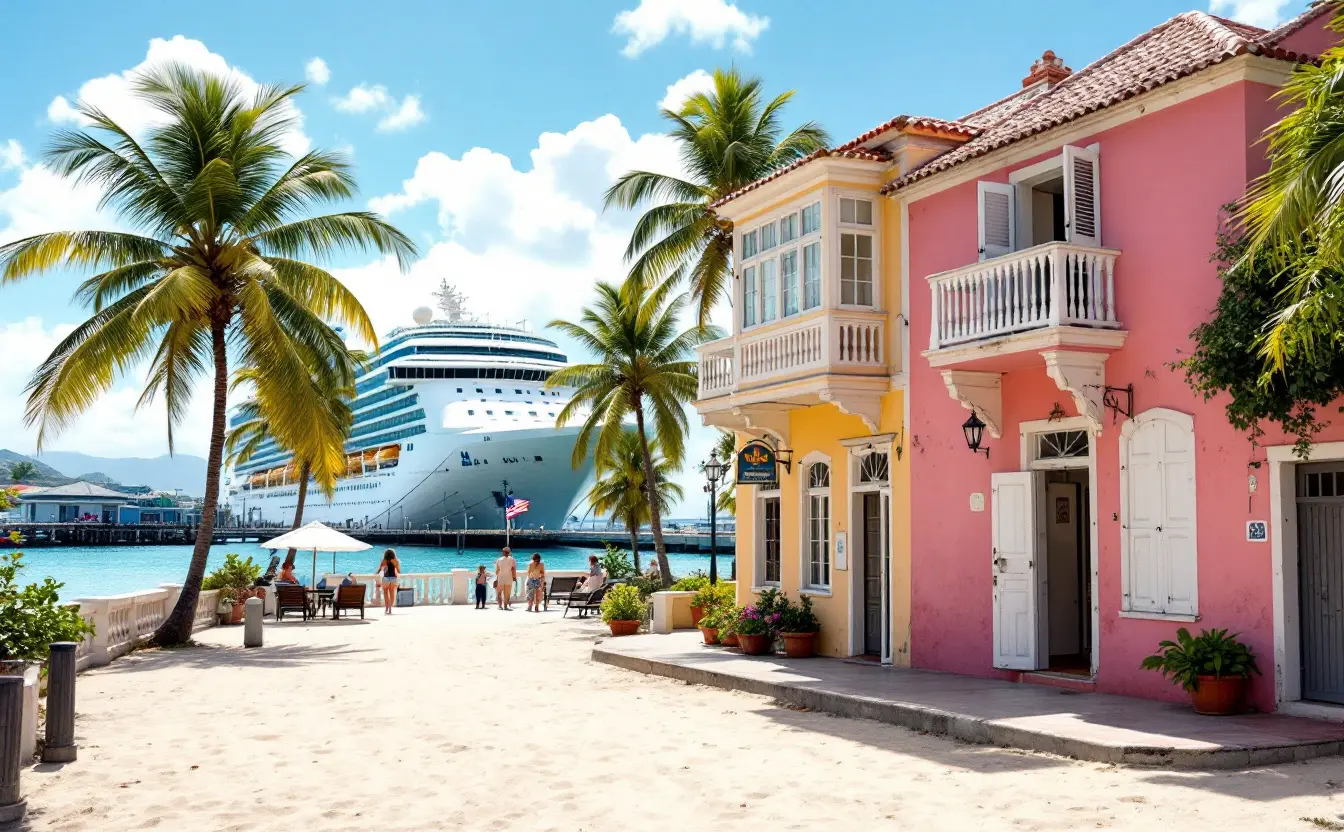
Nassau near the cruise port: a port day on foot from Prince George Wharf
Things to do near the Nassau cruise port on foot: history minutes from Prince George Wharf, where to eat, the nearest beaches and getting back aboard on time.
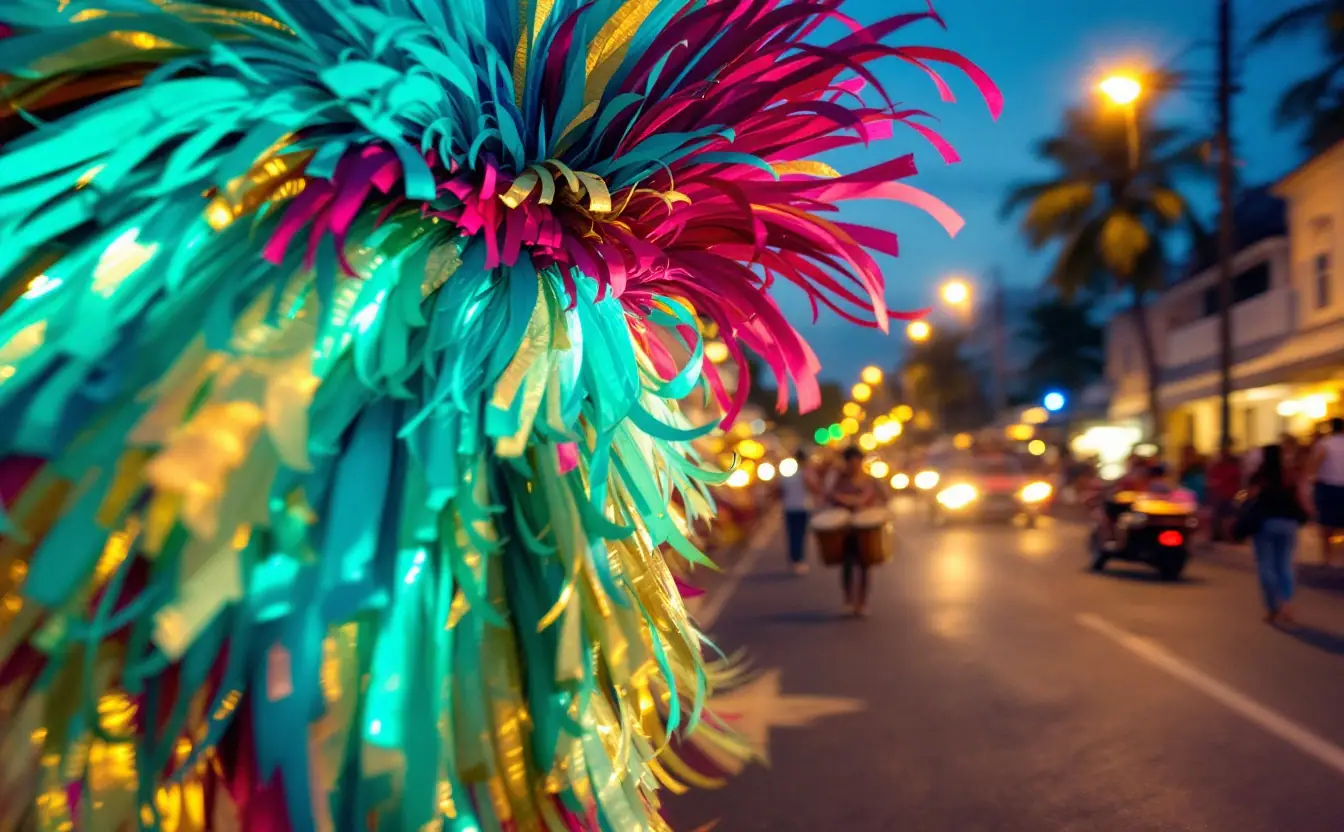
Junkanoo explained: the rush, the costumes and the groups on Bay Street
What Junkanoo is, where it came from and how the Boxing Day and New Year's parades work, from goatskin drums and crêpe-paper costumes to the big groups.
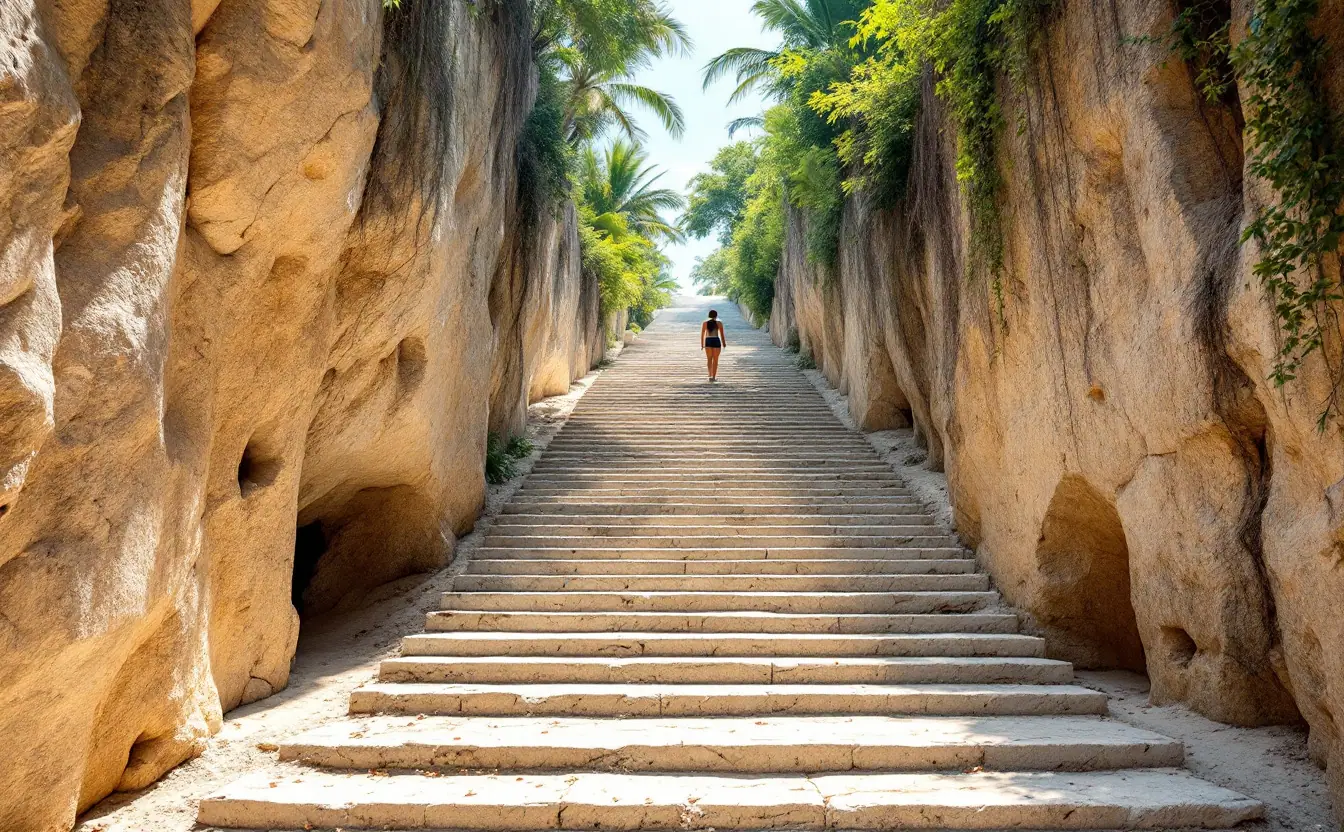
Walking Old Nassau: forts, the Queen's Staircase and Bay Street's layers
A self-guided walk through Old Nassau, from the Queen's Staircase and Fort Fincastle down Bay Street to Fort Charlotte, with history and practical tips.