Guava duff: how to make the Bahamas' favourite rolled pudding
Make Bahamian guava duff at home: where the rolled pudding came from, a full recipe in metric and cups, the rum butter sauce and fixes for common problems.

Simone Bethel · 9 min read
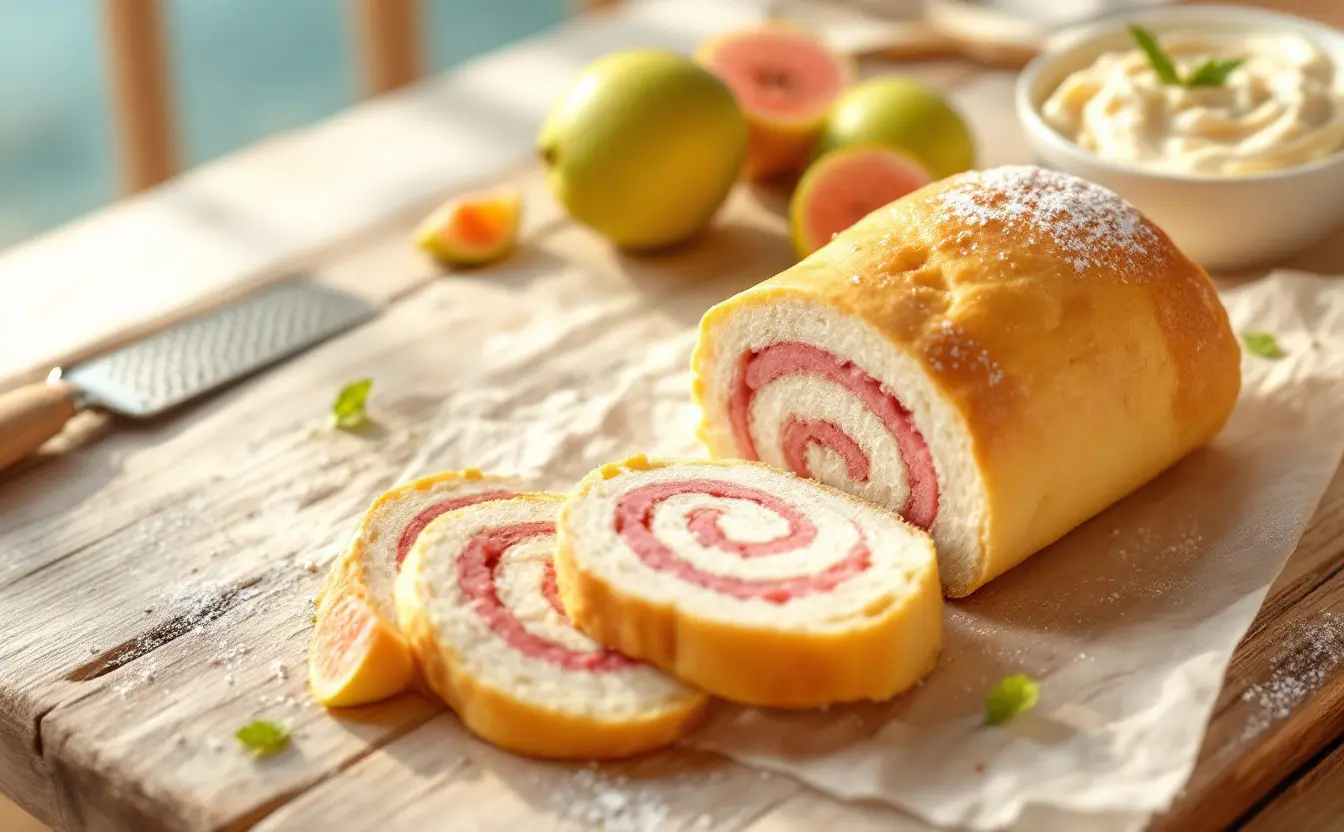
There is a moment, about an hour into making guava duff, when the kitchen windows have fogged, the pot has been rattling its lid long enough to make you nervous, and the whole house smells of warm fruit and nutmeg. Then you lift the parcel out, let it sit, peel back the foil and find a pale, plump roll with a pink spiral running through it. Spoon over a sauce of butter, sugar and rum, watch it slide into the cut face, and you understand why Bahamians go quiet and sentimental about this pudding.
Guava duff is a sweet dough rolled around cooked guava, wrapped and boiled or steamed, then sliced and served warm with a butter sauce. It is fussy only in the way all old-fashioned puddings are fussy: it needs a big pot, a bit of patience and a good seal on the parcel. Get those right and it is a forgiving thing to make at home.
Where duff comes from
"Duff" is an old British word for a boiled pudding, and a northern English way of saying "dough". Sailors ate plum duff at sea; families in England boiled suet puddings in floured cloths for Christmas. British settlers and seafarers brought the method across the Atlantic, and in the Bahamas it met the guava, a small, intensely perfumed fruit that grows happily in island yards. The fruit changed; the cloth stayed. Plenty of Bahamians still talk about grandmothers who boiled their duff in a clean pillowcase, tied at the neck with string.
Guava duff turns up at Sunday dinner, at Independence celebrations in July, at Christmas and at any family gathering someone wants to make memorable. You will also find it at some of the stalls at the Arawak Cay Fish Fry, where the rule is simple: if you see it, order it, because it tends to sell out.
Choosing your guava
Ripe guavas give slightly when pressed, their skins turn from green to yellow, and a bowl of them will scent a room. Inside, the flesh is pink to deep salmon around a seedy centre. For duff you want the firm outer flesh (the "shell") with the seeds removed.
If there are no guava trees near you, there are good substitutes:
- Canned guava shells in syrup: the most common shortcut, and a good one. Drain them well and keep the syrup for the sauce.
- Frozen guava pulp: full of flavour but too wet on its own. Cook it down until thick, or combine it with canned shells.
- Guava paste or jam: sweet and concentrated. Warm it with a squeeze of lime and a spoonful of water so it spreads, and cut back on the sugar.
Guava duff recipe
Serves 8. Allow about two hours from start to finish, most of it hands-off while the pot simmers.
Ingredients
For the guava filling
- 10 to 12 ripe guavas (about 800 g / 1¾ lb), or two 400 g (14 oz) tins of guava shells, drained
- 100 g / ½ cup granulated sugar (use half if your guava is canned in syrup)
- 120 ml / ½ cup water
- 1 tsp ground cinnamon
- ½ tsp ground allspice
- A little freshly grated nutmeg
- Juice of ½ lime
For the dough
- 500 g / 4 cups plain (all-purpose) flour, plus extra for rolling
- 1 tbsp baking powder
- 1 tsp salt
- 2 tbsp sugar
- 150 g / ⅔ cup cold butter or vegetable shortening, or half of each, diced
- 1 large egg, beaten
- 180 ml / ¾ cup cold milk, plus a splash more if needed
For the rum butter sauce
- 115 g / ½ cup unsalted butter, softened
- 180 g / 1½ cups icing (confectioners') sugar, sifted
- 2 to 3 tbsp dark rum or brandy
- 2 tbsp boiling water or reserved guava syrup
- A pinch of salt and a little grated nutmeg
You will also need parchment, foil, string and a pot wide enough for a 30 cm (12 in) parcel.
Method
- Prepare the guava. Peel fresh guavas thinly, halve them and scoop out the seedy centres with a teaspoon. Press the seedy pulp through a sieve and keep the juice. Dice the shells into small pieces. If you are using canned shells, simply drain and dice.
- Cook the filling. Put the guava, sugar, water, spices and lime juice in a saucepan and simmer gently for 10 to 15 minutes, stirring now and then, until the fruit is soft and the liquid has thickened. Pour off any excess syrup into a cup (the fruit should be moist, not swimming) and leave the filling to cool completely.
- Make the dough. Whisk the flour, baking powder, salt and sugar in a large bowl. Rub in the fat with your fingertips until the mixture looks like coarse breadcrumbs. Stir the egg into the milk, pour it in and bring everything together with a fork, then your hands, into a soft dough that does not stick to your palms. Add a splash more milk if it stays crumbly.
- Knead lightly. Turn it out onto a floured surface and knead for a minute, no more, until smooth. Cover and rest for 10 minutes so it rolls out without springing back.
- Roll it out. Roll the dough into a rectangle about 30 × 40 cm (12 × 16 in) and 5 mm (¼ in) thick.
- Fill and roll. Spread the cooled guava over the dough, leaving a 3 cm (1¼ in) border all round. Starting from a long side, roll it up firmly, like a Swiss roll. Pinch the seam closed, then pinch and tuck in the ends.
- Wrap. Lay a large sheet of parchment on an equally large sheet of foil and fold a 3 cm pleat across the middle of both, so the duff has room to swell. Set the roll seam-side down in the centre, wrap it loosely but completely, and twist the ends like a sweet wrapper. Tie each end tightly with string. For extra insurance, wrap the whole parcel in a second layer of foil.
- Boil. Bring a large pot of water to the boil, then lower it to a steady simmer. Put an upturned saucer or a trivet in the base so the parcel does not sit on the hot metal, lower in the duff, cover and simmer for 1 hour 15 minutes. Check every 20 minutes and top up with boiling water from the kettle so the parcel stays submerged.
- Rest. Lift the parcel out with tongs and a slotted spoon, let it rest for 10 minutes, then snip the strings and unwrap it carefully. The steam is fierce.
- Slice and serve. Cut into 2 to 3 cm (1 in) slices with a serrated knife, or slide a length of cotton thread under the roll, cross it over the top and pull for a clean cut. Serve warm with the sauce.
The rum butter sauce
Beat the softened butter with a wooden spoon or hand mixer until pale. Add the icing sugar a few spoonfuls at a time, beating well between each addition, then beat in the rum, the boiling water and the salt until the sauce is smooth and fluffy. Spoon it over each warm slice and grate a little nutmeg on top. It melts into a glossy pool as it hits the duff, which is exactly the point.
Some cooks prefer a warm pouring sauce instead. Melt the butter with the sugar and 120 ml / ½ cup evaporated milk over a low heat, simmer for two minutes, then take it off the heat and stir in the rum. For an alcohol-free version of either, use the reserved guava syrup or juice in place of the rum, with a drop of vanilla.
Troubleshooting
The middle is raw or gummy. Water got into the parcel, or the simmer dropped too low. Wrap with a pleat, twist and tie the ends firmly, and keep the water moving gently the whole time. A roll much thicker than 8 cm (3 in) across may need an extra 15 minutes.
The dough is heavy and dense. It was overworked or too dry. Knead only until smooth, keep the dough soft, and check that your baking powder is fresh. Tired powder gives a tight, bready crumb.
The filling burst through. The guava was too wet or spread right to the edges. Drain the filling well and leave a clean border so the seams can seal.
The dough cracked as you rolled it. It needs a little more milk, or a longer rest. Patch any splits with a scrap of dough before adding the filling.
The sauce looks greasy or has split. The butter was too warm. Chill the bowl for ten minutes and beat again.
It tastes flat. Guavas vary a great deal. Taste the filling before you roll and adjust with a squeeze of lime, a pinch of salt, or a little more sugar or spice.
Variations from island kitchens
- Guava in the dough. Some families fold the guava pulp straight into the dough, so the whole loaf comes out pink and marbled rather than spiralled.
- Baked duff. If boiling makes you nervous, bake the wrapped parcel in a roasting tin half-filled with hot water at 180°C (350°F, gas 4) for about an hour. The texture is firmer and slightly more cake-like.
- Other fruit. Pineapple, mango and coconut duff all turn up, made the same way. A sweet Eleuthera pineapple makes a particularly good one.
- Smaller duffs. Two thinner rolls cook in about 50 minutes and suit a smaller pot.
If you are cooking a full Bahamian dinner, guava duff is the natural end to a meal that starts with conch, and our guide to conch, from salad to stew will give you the first course. More recipes and food guides are in the food and drink section.
Frequently asked questions
Can I make guava duff ahead of time?
Yes. Cook it, let it cool in its wrapping, then refrigerate it for up to three days. Reheat slices covered in a low oven or a steamer, or simmer the whole roll, still wrapped, for 20 to 25 minutes. Make the sauce fresh, or bring it back to room temperature before serving.
Why is it called duff?
"Duff" is an old British word for a boiled pudding and a regional pronunciation of "dough". The name came to the Bahamas with British settlers and sailors, along with the habit of boiling a pudding in a cloth.
Do I have to use a cloth?
No. A scalded, floured cotton cloth is the traditional wrapping and gives a slightly firmer skin, but parchment and foil are easier and more reliable at home. Whatever you use, leave room for the dough to swell and tie the ends tightly to keep the water out.
Can I freeze guava duff?
It freezes well for up to two months. Wrap cooled slices tightly, thaw them in the fridge overnight and steam or warm them gently before serving. The sauce can be frozen separately.
Keep reading

Arawak Cay after dark: how to eat your way through the Fish Fry
How to spend an evening at Nassau's Arawak Cay Fish Fry: getting there, when to arrive, how ordering works, what to eat and drink, and seafood seasons.
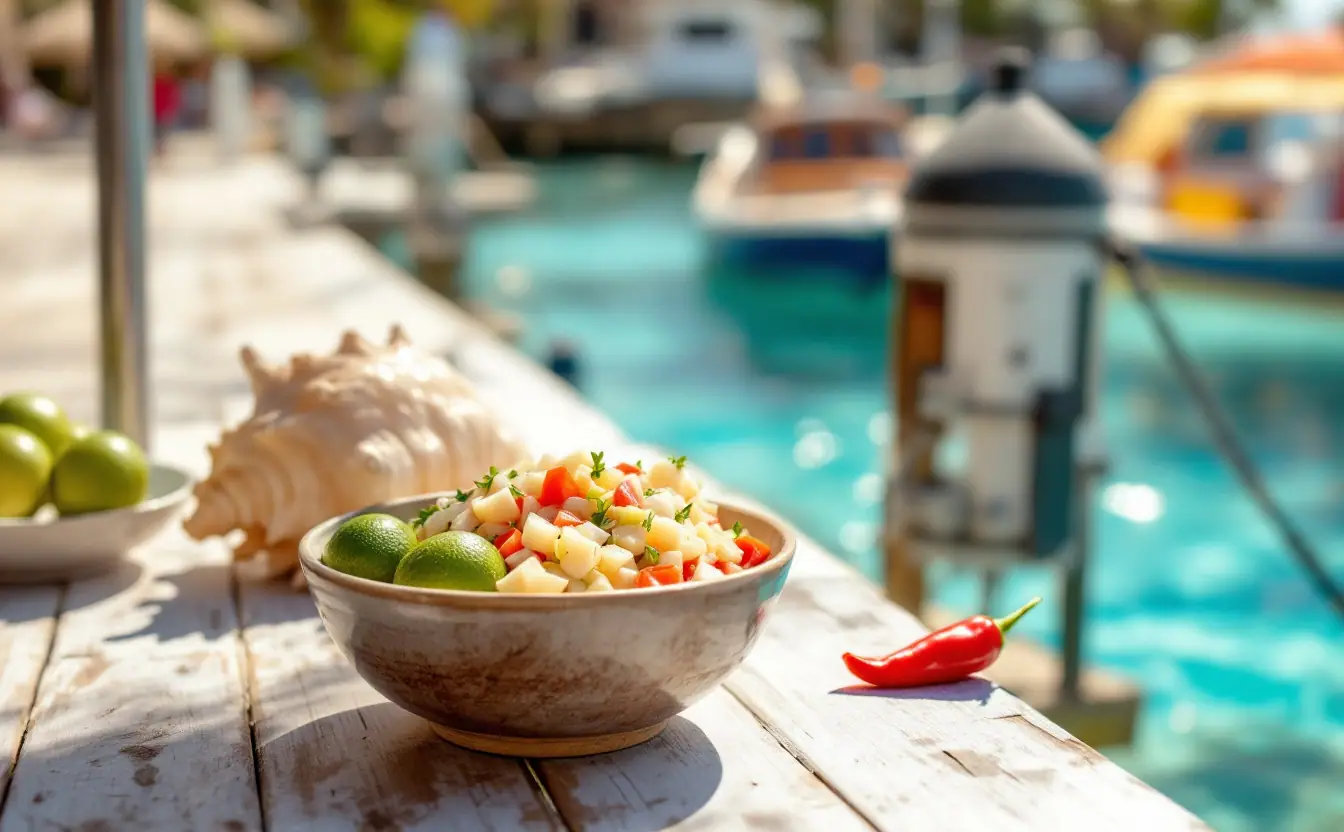
Conch every way: salad, fritters, cracked, stewed (and sourcing it well)
A dish-by-dish guide to Bahamian conch (salad, fritters, cracked, stewed) with a home conch salad recipe and what to know about the rules protecting it.

The Bahamas in October: weather, hurricane risk, sea and what to pack
October in the Bahamas: hot days, a warm sea, the tail of hurricane season, National Heroes Day, quieter hotels and what to pack for showers and sun.