Arawak Cay after dark: how to eat your way through the Fish Fry
How to spend an evening at Nassau's Arawak Cay Fish Fry: getting there, when to arrive, how ordering works, what to eat and drink, and seafood seasons.

Simone Bethel · 8 min read
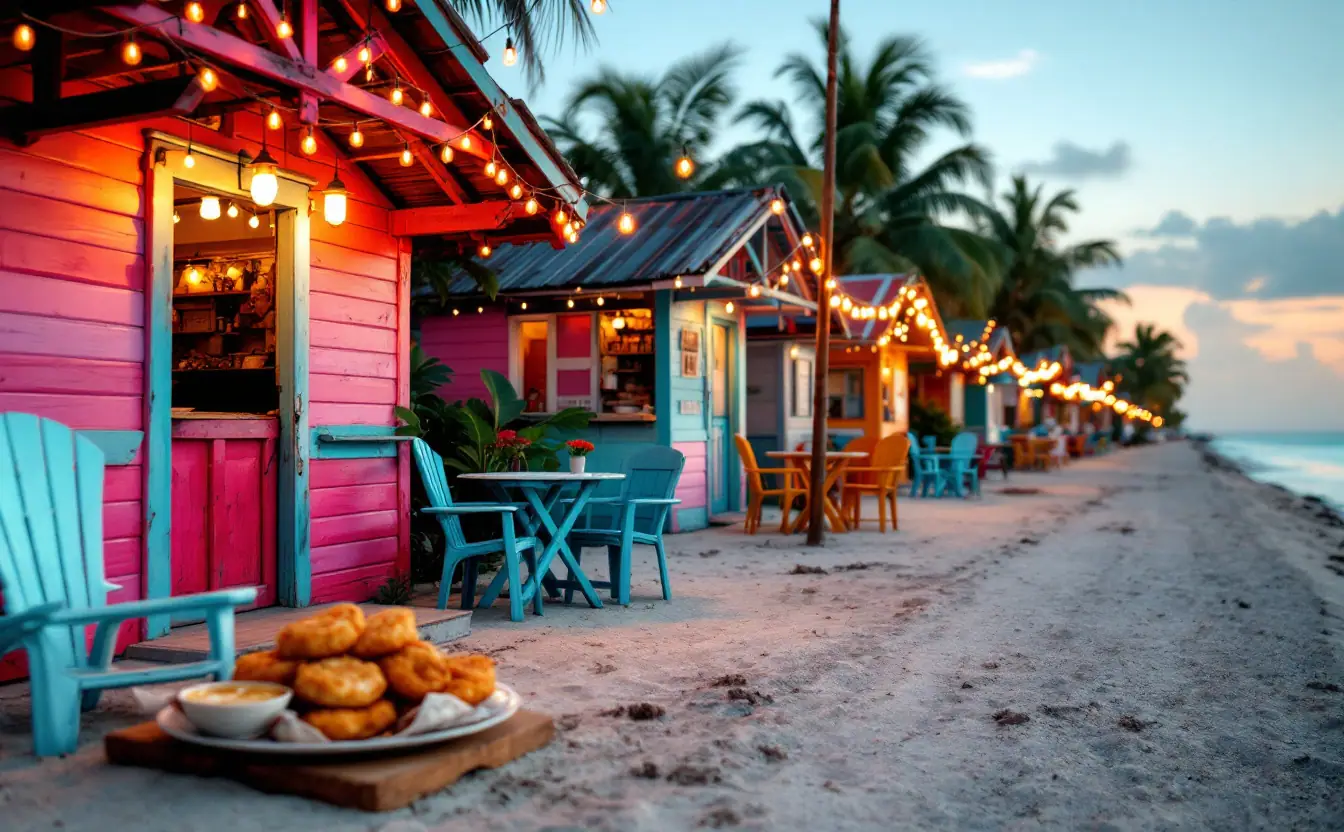
Late afternoon on West Bay Street, the smell reaches you before the colours do: hot oil, cut lime, onions on a board. Then the row of painted stalls comes into view – pinks, yellows, turquoise – facing the road, with Fort Charlotte's grey walls on the hill opposite and the sea at their backs. This is Arawak Cay, which almost everyone in Nassau simply calls the Fish Fry. By the time the sun drops, the chopping boards are going, the music has started, and the car park is filling with families who have no intention of cooking tonight.
It is not a single restaurant or a market so much as a strip of independent kitchens, bars and conch stands, each with its own menu and loyal regulars. That is the charm, and also why a first visit can feel slightly chaotic. Here is how to do it well.
Where it is and how to get there
Arawak Cay is a man-made island, built in the late 1960s from material dredged out of Nassau's harbour. Its western end is a working container port; the Fish Fry runs along its landward edge on West Bay Street, a short way west of downtown and just past Junkanoo Beach. Across the road is Clifford Park, where the Bahamian flag was raised at independence in 1973, and above it Fort Charlotte.
On foot. From the downtown waterfront it is roughly two kilometres along West Bay Street – a 25-minute walk with the harbour on your right. It is a pleasant stroll in late afternoon; after dark, take a taxi back.
By jitney. The local minibuses run west along West Bay Street during the day, but services thin out in the evening. Fine for getting there, unreliable for getting home.
By taxi. The simplest option at night. Agree the fare before you set off, and ask the stall where you ate to call one if none are waiting.
By car. There is parking along the site, but on weekend evenings it fills early.
When to go
Most stalls open from late morning and run well into the evening, with some staying later at weekends. Hours vary stall by stall, and some close one day a week, so do not count on a particular kitchen being open at ten on a Monday.
For atmosphere, aim to arrive about an hour before sunset – around half past four in the winter months, closer to seven in midsummer. You get the light on the water, a seat before the rush and time to walk the strip before ordering.
Weeknights are calmer and better for a first visit. Friday to Sunday is when the Fish Fry is at its liveliest: music from several directions at once, groups of friends on long tables, children running between stalls. In some summers the open grounds here have hosted Junkanoo Summer Festival nights, with groups parading to drums and cowbells – a small taste of what our guide to Junkanoo describes at full scale on Boxing Day and New Year's morning.
How ordering works
Walk the length first. Stalls range from a counter and a few plastic chairs to sit-down restaurants with upstairs decks over the water. Look at what people are eating and where the locals are sitting.
Pick one kitchen for your main meal. At sit-down places you eat what that kitchen serves. A common pattern is a conch salad from a dedicated stand while you wait, then dinner at a table elsewhere.
Expect to wait. Everything is fried, grilled or chopped to order. A whole fish takes time, and a busy conch stand may have a queue of bowls ahead of yours. Order the salad first.
Portions are generous. One fried fish with two sides can feed two moderate appetites. Share and order more if you are still hungry.
Pay with cash if you can. The Bahamian dollar is at par with the US dollar, and both are accepted everywhere. Some stalls take cards, but not all, and machines can be slow on busy nights. Small notes help. Check whether VAT and a service charge have already been added to the bill before you tip.
Say how hot. Conch salad is seasoned with goat pepper, a close cousin of the Scotch bonnet. "Mild" is a reasonable request on a first visit.
What to order
Menus are similar along the strip, with each kitchen known for its own version of the classics. Our longer piece on conch, from salad to stew covers the island's signature seafood in depth; this is the short version for the table.
| Dish | What it is | Ordering tip |
|---|---|---|
| Conch salad | Raw diced conch with onion, sweet pepper, tomato, lime, sour orange and goat pepper | Made in front of you; ask for "tropical" if you want mango or pineapple in it |
| Conch fritters | Seasoned batter with chopped conch, deep-fried | Ideal while you wait; good ones have visible pieces of conch |
| Cracked conch | Conch pounded thin, battered and fried | Comes with two sides; should be tender, not rubbery |
| Fried snapper | Whole fish, scored and fried crisp | Ask the size and price first; the crisp tail is the best bit |
| Grouper fingers | Strips of fried grouper | From December to February, ask which fish you are getting |
| Steamed fish | Fish simmered in tomato, onion and pepper gravy | A gentler choice if you have had your fill of fried food |
| Grilled lobster | Bahamian crawfish tail, split and grilled | Best from August to March, when the crawfish season is open |
| Sides | Peas 'n' rice, baked macaroni, coleslaw, fried plantain, potato salad | Usually two per plate; the macaroni comes in firm, cheesy squares |
| Guava duff | Dough rolled around guava, steamed and served with a buttery sauce | Not every stall makes it; grab it when you see it |
A word on seasons
Two fishery rules shape the menu. Crawfish – the spiny lobster Bahamians grill and fry – has a closed season from 1 April to 31 July, so lobster is at its best from August onwards. Nassau grouper is protected from 1 December to the end of February while it spawns. Other fish may still be sold as "grouper" in those months, so it is fair to ask which species you are getting, or to switch to snapper.
What to drink
Sky juice. The Fish Fry's signature: gin, coconut water and sweetened condensed milk, often with a grating of nutmeg. It is also called gully wash. It goes down easily and is stronger than it tastes.
Switcha. Bahamian limeade, sharp and sweet, and the best non-alcoholic match for fried fish.
Fresh coconut water. At some stands a vendor will top a green coconut with a few strokes of a cutlass and hand it over with a straw. Ask them to split it afterwards so you can scoop out the soft jelly.
Local lager and rum. Bahamian beer is on ice at almost every bar, and rum punch is easy to find.
Making a night of it
The Fish Fry works best as the end of a day, not the whole of it. Spend the morning or early afternoon on foot in the old town – our walk through Old Nassau's forts, the Queen's Staircase and Bay Street finishes within easy reach – then cool off on Junkanoo Beach before strolling west for sunset and dinner.
If you have time to come back, try a weekday lunch as well. The pace is slower, the conch stands are less busy, and you will see office workers and taxi drivers eating fried fish in their lunch break, which tells you more about the place than any guidebook.
Practical notes
- Insect repellent. Tiny sandflies come out at dusk near the water, particularly on still evenings.
- Seating. Some decks are up steep stairs. Ground-level tables are always available if steps are a problem.
- Children. The Fish Fry is family territory, especially on Sunday evenings.
- Safety. Use ordinary city sense: keep bags with you, stay in lit areas and take a taxi rather than walking back along the road late at night.
- Shells. Conch shells are piled up for sale and as decoration. If you want one as a souvenir, check your home country's customs rules first, as queen conch is internationally protected.
Frequently asked questions
Is the Fish Fry just for tourists?
No. Visitors come in numbers, but on weekend evenings much of the crowd is Bahamian – families, groups of friends, people collecting takeaway on the drive home. That mix is a large part of the appeal.
Can I walk there from downtown Nassau?
Yes. It is about two kilometres west along West Bay Street, roughly a 25-minute walk past Junkanoo Beach. Walking there in daylight is easy and pleasant; after dark, a taxi back is the better choice.
Do the stalls take cards?
Some do, but not all, and card machines can be slow on busy nights. Bring cash in small notes; Bahamian and US dollars are accepted interchangeably at par.
What is the best night to go?
Friday to Sunday is busiest and liveliest, with music and a festive crowd. For a quieter first visit with shorter waits, go on a weeknight and arrive before sunset.
Is the conch salad safe to eat?
Conch salad is raw, made with very fresh conch and plenty of lime, and is eaten safely by many people every day. Pregnant women, older people and anyone with a weakened immune system should choose a cooked dish such as cracked conch or fritters instead.
Keep reading
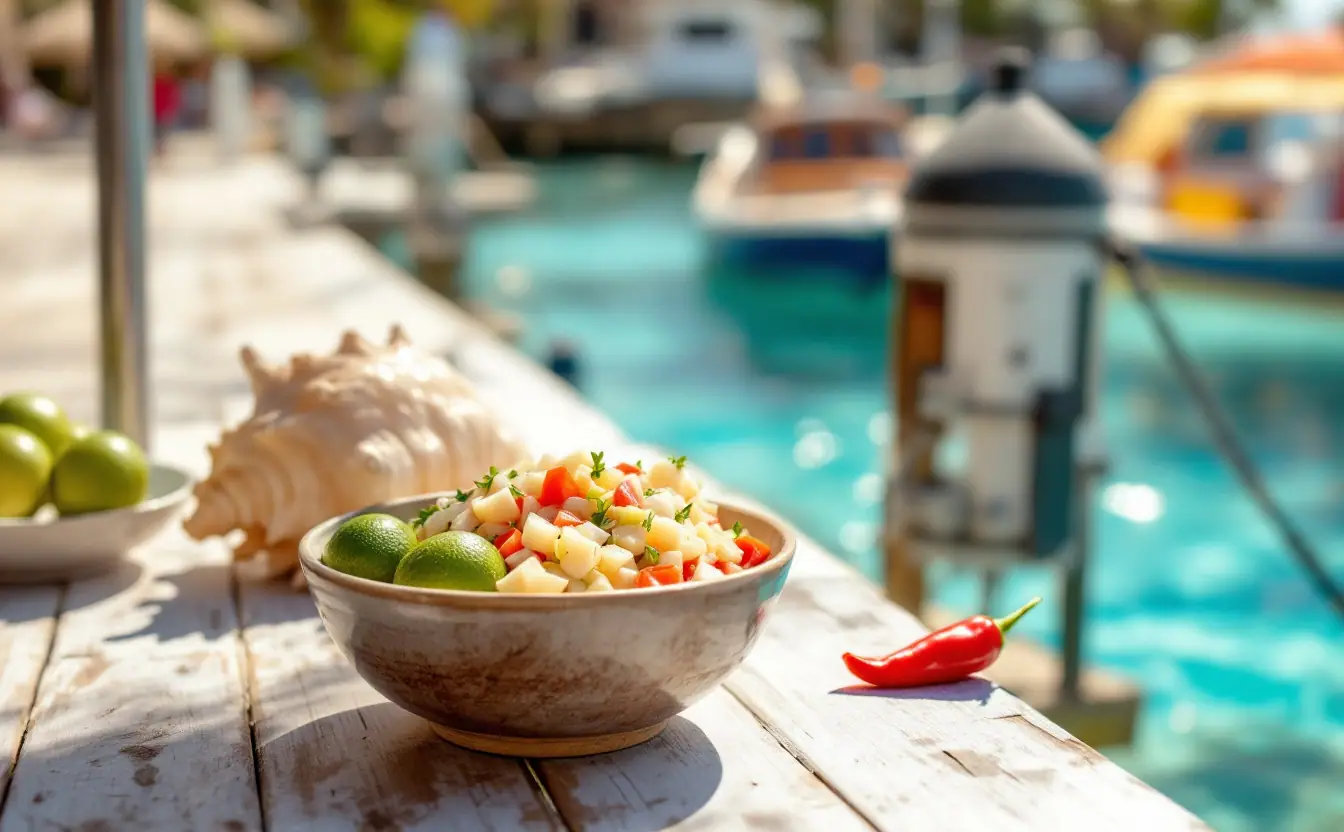
Conch every way: salad, fritters, cracked, stewed – and sourcing it well
A dish-by-dish guide to Bahamian conch – salad, fritters, cracked, stewed – with a home conch salad recipe and what to know about the rules protecting it.

Island-hopping the Exumas by mail boat, ferry and small plane
A leg-by-leg Exumas route: overnight mail boat from Nassau to the cays, small boats around Staniel Cay, a light-plane hop to George Town and harbour ferries.
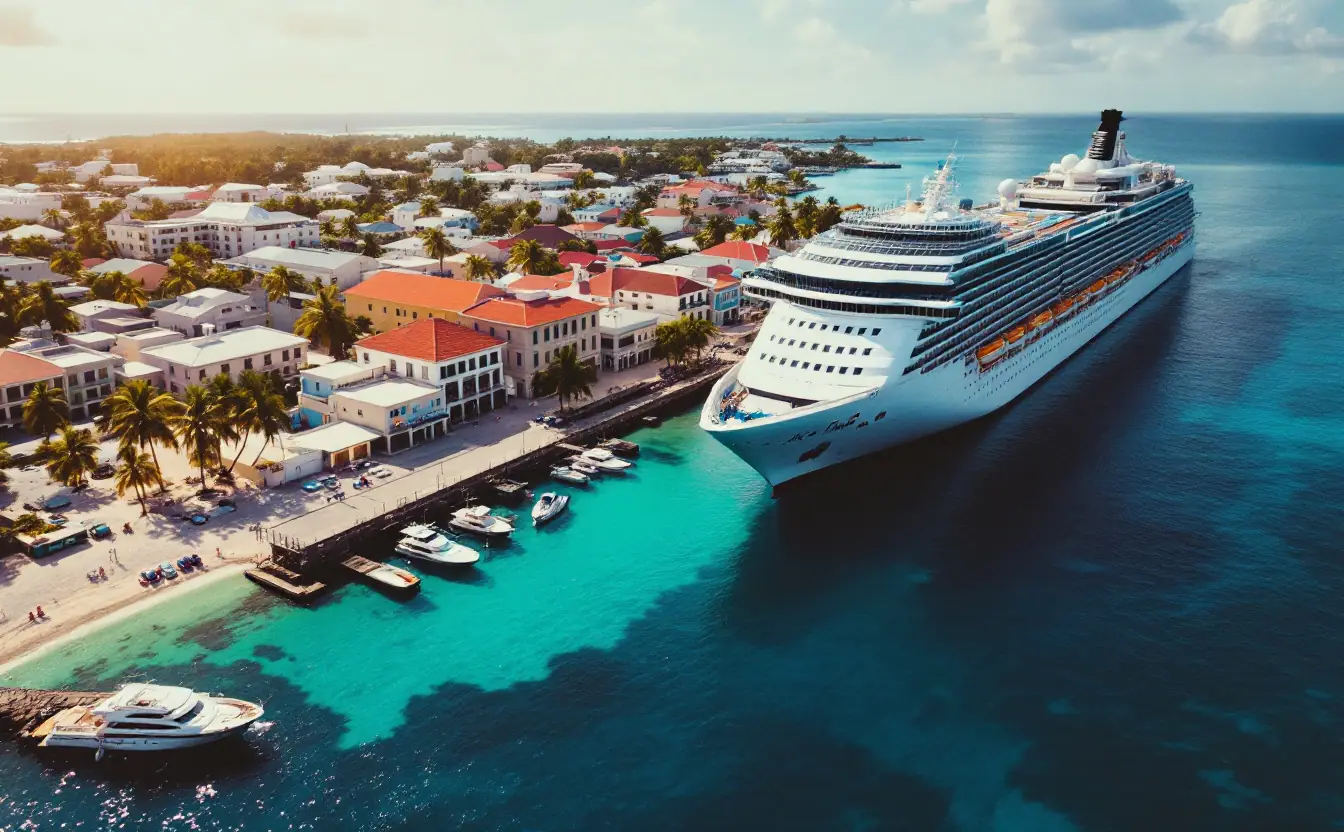
How tourism shapes the Bahamian economy: cruise, resorts and Out Islands
How visitor spending flows through the Bahamian economy: cruise versus stopover visitors, Nassau versus the Out Islands, and the risks of relying on tourism.