What to pack for the Bahamas: a packing list by season and island
What to pack for the Bahamas in winter, summer or hurricane season, for Nassau or the Family Islands, with boat days covered and a sample week's list.

Marisa Cartwright · 9 min read
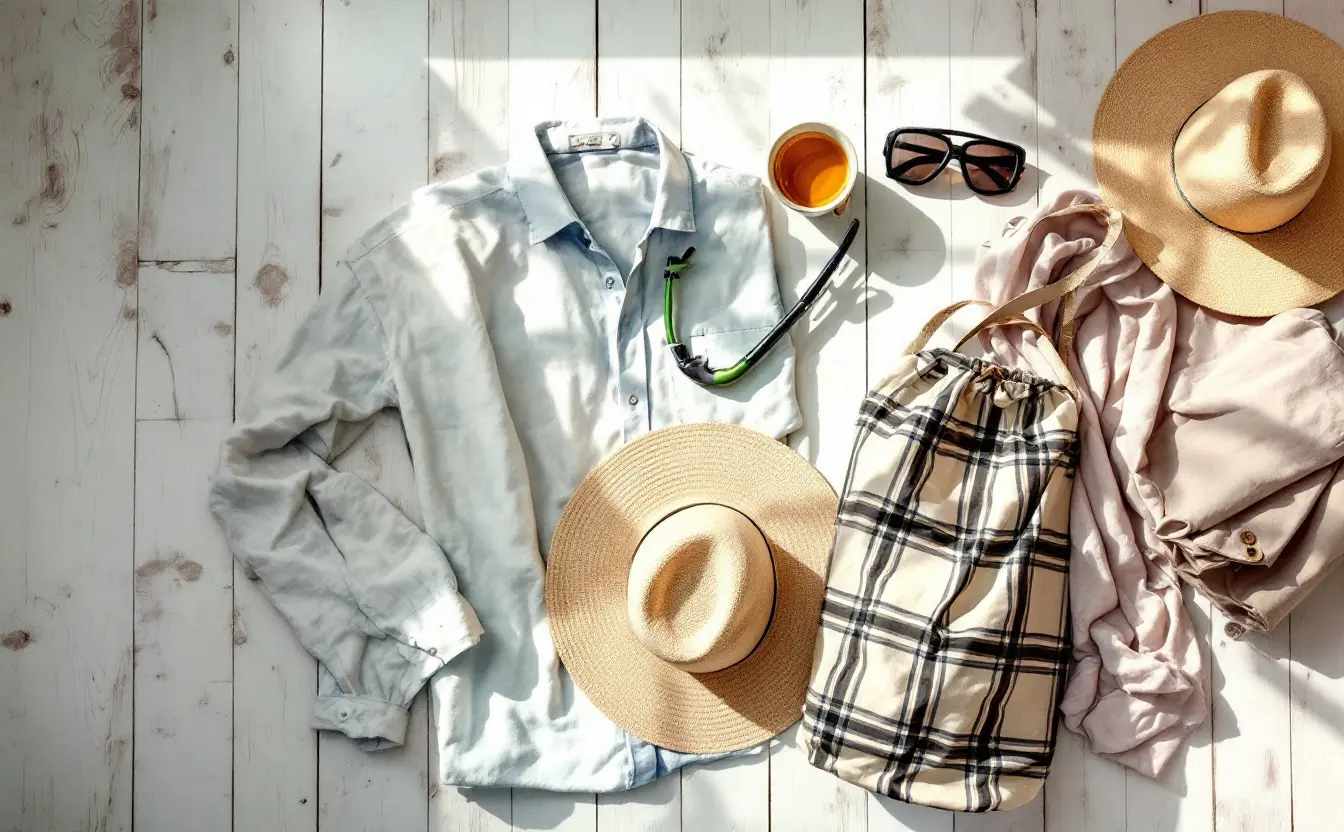
The first thing I check before a Bahamas trip is not the forecast. It is the plan. A week in a Cable Beach hotel, a fortnight moving between Family Island settlements and four days on a chartered catamaran in the Exumas all happen under the same sun, but they need different bags. The hotel guest can replace a forgotten swimsuit in Nassau in ten minutes. The sailor on a cay with one small shop and a weekly mail boat cannot.
So this list starts with your situation and only then gets to the kit. Our packing-list planner does the same job interactively: give it the month, the number of nights, whether you are heading to the Family Islands and what you plan to do, and it builds a checklist you can tick off as you go.
Three questions before you open the case
Which islands?
Nassau and Paradise Island have pharmacies, supermarkets, beach shops and dive shops, and Grand Bahama is similar around Freeport and Lucaya. If you forget something there, you can usually buy it, though choice is narrower and prices tend to be higher than at home.
The Family Islands are different. Shops are small, stock depends on the freight boats, and a pharmacy may be a shelf in the general store. Bring enough of your prescription medicines for the whole trip plus a few spare days, in their original packaging, along with any everyday remedies you rely on. Cash matters more too: cash machines are scarce, and some taxis, water taxis and small restaurants take nothing else. Bahamian and US dollars are worth the same and US notes are accepted almost everywhere, so small US bills are the simplest thing to carry. Our first-timer's guide to the Out Islands explains how the main islands differ.
If your route includes a small plane, pack in a soft bag. Light aircraft have tight weight limits and small holds, and a hard suitcase may simply not fit.
Which months?
The Bahamas has two seasons rather than four, and each one changes the bag.
- December to March. Days are warm and bright, but cold fronts sweep through every week or so and bring a few days of cool northerly wind. A January evening by the water can feel properly chilly, and few homes or guesthouses have heating. Pack a light sweater or fleece, one pair of long trousers and a windproof layer for boat rides. The sea is at its coolest in February and March, around 24°C, so a thin wetsuit top makes long snorkels more comfortable.
- April and May. The sweet spot for many visitors: dry, sunny and warming. The sun is already fierce, so sun kit matters more than layers. Late May can bring the first heavy showers.
- June to November. Hot, humid and wet, with short downpours most afternoons in late summer, and the Atlantic hurricane season running from 1 June to 30 November. Pack a light rain jacket and quick-dry clothes, and leave most of the cotton at home, since it never dries in the humidity. Sort out travel insurance that covers snorkelling and boat days when you book, not when a storm appears on the map.
Our month-by-month weather guide has air and sea temperatures and rainfall for every month.
How many boat days?
One snorkel trip on a big catamaran needs little more than a towel and sunscreen. A week of island hopping in small open boats, with spray coming over the bow and wet landings onto beaches in knee-deep water, needs a waterproof plan: a dry bag for the phone, keys and a dry shirt, water shoes, and a long-sleeved layer against wind and sun. If you are prone to seasickness, pack a remedy you have used before, and talk to a pharmacist before you travel, since some remedies need to be taken in advance.
What goes in the bag
Packing for the islands is mostly about sun, salt and small spaces. This table covers the items I would not travel without and the reason each one earns its place.
| Item | Why it matters in the islands |
|---|---|
| Passport, valid for your whole stay | Needed for entry by air or sea; keep a photo of the photo page somewhere separate |
| Travel insurance details | Hurricane season runs June to November, and medical evacuation from a Family Island is expensive |
| US dollars in small notes | Taxis, water taxis, tips and settlement shops; cash machines are scarce outside Nassau and Freeport |
| Mineral sunscreen, plenty of it | Strong sun all year, little choice in small island shops, and some boat crews ask for mineral products |
| Long-sleeved rash guard | Shoulders and backs burn first when you snorkel, and fabric does not wash off |
| Wide-brimmed hat and polarised sunglasses | Glare off white sand and shallow water is intense; polarised lenses also help you read the water |
| Water shoes | Ironshore, the sharp limestone along many shores, plus sea urchins and hot sand |
| Roll-top dry bag | Spray and wet landings on boat days |
| Insulated water bottle | Heat and dehydration creep up on you; many places sell water in large jugs you can decant |
| Insect repellent | No-see-ums and mosquitoes near mangroves at dusk, especially after rain |
| Light sweater and long trousers (December to March) | Cold-front evenings and windy boat rides |
| Light rain jacket (June to November) | Short, heavy afternoon storms |
| Beach cover-up | Swimwear away from the beach is frowned on in town |
| One smarter outfit | Some restaurants expect it, and church means covered shoulders and a longer hem |
| Your own mask and snorkel | A mask that fits your face beats a rental that leaks |
| Phone charger and power bank | Bahamian sockets take US plugs; long days on the cays are far from a socket |
| Small first aid kit | Coral scrapes and blisters, and settlement clinics keep limited hours |
The cover-up and the church clothes are not fussiness. The Bahamas is a church-going country, especially in the Family Islands, and a visitor in swimwear in a shop or a bank stands out for the wrong reasons.
For sunscreen in particular, people almost always underpack. Our sunscreen planner works out how much a group needs from the number of days, hours outside and swims, and the answer is usually more than one bottle.
What to leave at home
- A hard suitcase, if any small plane is involved.
- Most of the cotton. Linen and quick-dry fabrics cope far better with the humidity.
- Heels and anything that needs ironing.
- A drone, unless you have read the Bahamian civil aviation rules first; permission is needed before you fly one.
- Jewellery you would hate to lose. Shiny things attract barracuda on the reef, and rings slip off in cool water.
The two bags I actually pack
For the kit itself, I think in two bags. The first goes to the beach and onto boats every day; the second is the luggage that makes island travel easier. Our product names are generic on purpose. The suggestions come from makers' specifications and published reviews, and we have not tested these particular items ourselves, so choose by fit and comfort rather than by brand.
The beach and boat bag
This one lives by the door. Into it go the sunscreen, the rash guard, water shoes and a roll-top dry bag that keeps the phone and car keys safe when the dinghy ride gets lively. A quick-dry microfibre towel takes up a fraction of the space of a hotel towel and is dry again between swims.
Shore bag
- Roll-top dry bag, about 10 litresPhone, keys and a towel stay dry on boat days and wet landingsBrowse on Amazon
- Women's long-sleeve rash guard, UPF 50Covers shoulders and back during long snorkelsBrowse on Amazon
- Men's long-sleeve rash guard, UPF 50Covers shoulders and back during long snorkelsBrowse on Amazon
- Quick-dry water shoesRocky entries, sea urchins and hot sandBrowse on Amazon
- Mineral zinc oxide sunscreen lotion, SPF 30 or higherZinc-based, water resistant, for body coverageBrowse on Amazon
- Quick-dry microfibre towelDries fast and packs smallBrowse on Amazon
The travel bag
Compression packing cubes keep beach clothes apart from town clothes and squeeze a week's wardrobe into a carry-on. A slim power bank covers a day of maps and photos away from the room. Visitors from the UK and Europe need a US plug adapter, since Bahamian sockets take the same plugs as American ones. If you are buying a case, a carry-on sized for regional planes saves trouble on the smaller aircraft.
Shore bag
- Compression packing cubesKeep beach clothes and town clothes apart in a small bagBrowse on Amazon
- Slim 10,000 mAh power bankA day of maps and photos away from a socketBrowse on Amazon
- UK-to-US plug adapterBahamian sockets take US plugs; this lets UK plugs fitBrowse on Amazon
- Insulated stainless water bottleCold water through a hot afternoon on the beachBrowse on Amazon
- Packable wide-brim sun hatShade for the face and neck that survives a suitcaseBrowse on Amazon
A sample list: one winter week on Eleuthera
To make it concrete, this is roughly what fits in one soft carry-on and a daypack for seven nights in February, with two boat days and a lot of beach:
- Six light tops, two pairs of shorts and one pair of long trousers.
- Three swimsuits, one cover-up and a long-sleeved rash guard.
- A light fleece and a thin windproof jacket.
- Sandals, water shoes and one pair of walking shoes.
- Hat, polarised sunglasses, mineral sunscreen and a lip balm with SPF.
- Mask and snorkel, dry bag and a quick-dry towel.
- Medicines, a small first aid kit and insect repellent.
- Passport, two cards, US dollars in small notes and printed copies of bookings.
In August, swap the fleece for a rain jacket, add a second rash guard because the first never quite dries overnight, and the list barely changes. That is the useful thing about packing for the Bahamas: the sun and the sea stay constant, and only the evenings and the showers move.
Frequently asked questions
What should I pack for the Bahamas in December, January or February?
Pack for summer by day and late spring by night. Beachwear, sun protection and a rash guard cover the daytime, while a light sweater, long trousers and a windproof layer handle evenings and boat rides after a cold front. A thin wetsuit top is welcome for long snorkels in February, when the sea is at its coolest.
Do I need cash in the Bahamas?
In Nassau and Freeport cards work in most places, but cash is still handy for taxis, tips and food stands. On the Family Islands it matters much more, because cash machines are few and some businesses take only cash. US dollars are accepted at the same value as Bahamian dollars.
Can I buy sunscreen and beach gear when I arrive?
In Nassau and Freeport, yes, though the choice is narrower and prices are usually higher than at home. On the Family Islands, a small shop may stock one or two products or none at all. Bring what you need, especially mineral sunscreen and any medicines.
Do I need a plug adapter in the Bahamas?
Not if you are coming from the US or Canada, because Bahamian sockets take the same plugs and the supply is 120 volts. Visitors from the UK and Europe need a US plug adapter and should check that their chargers accept 120 volts, which most phone and laptop chargers do.
Keep reading
Island-hopping the Exumas by mail boat, ferry and small plane
A leg-by-leg Exumas route: overnight mail boat from Nassau to the cays, small boats around Staniel Cay, a light-plane hop to George Town and harbour ferries.
Choosing your first Out Island: Eleuthera, Andros, Long Island or Abaco
Eleuthera, Andros, Long Island or Abaco? A side-by-side guide to getting there, getting around and which Out Island suits a first visit to the Bahamas.
How tourism shapes the Bahamian economy: cruise, resorts and Out Islands
How visitor spending flows through the Bahamian economy: cruise versus stopover visitors, Nassau versus the Out Islands, and the risks of relying on tourism.