Bush teas and yard plants: fever grass, cerasee and the Bahamian cup
Fever grass, cerasee, soursop leaf and more: a plant-by-plant guide to Bahamian bush teas, how they are brewed and the safety points to know before you sip.

Simone Bethel · 9 min read
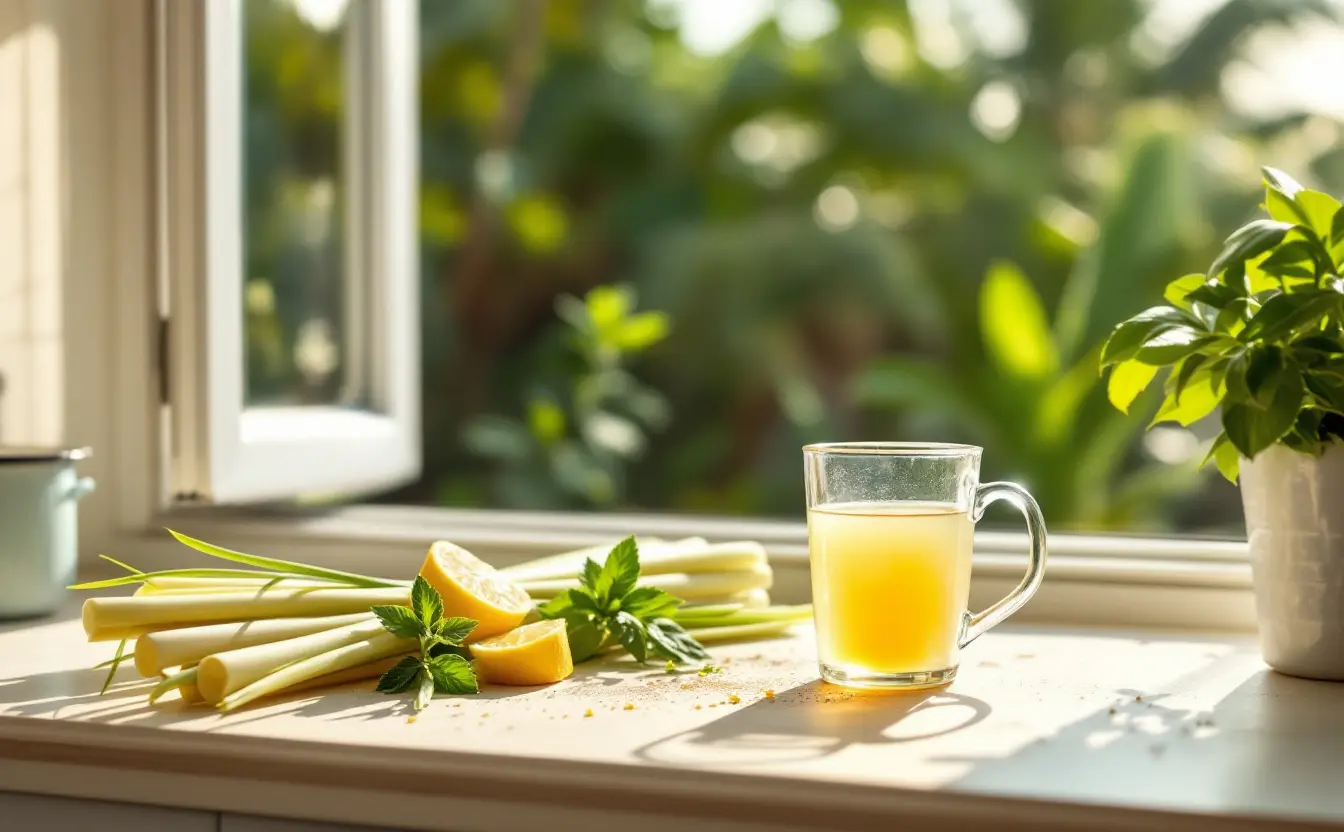
On the first cool evenings of late autumn, when a cold front clears the damp out of the air and the wind swings round to the north, plenty of Bahamian kitchens start to smell of lemon and cut grass. Someone has gone out to the clump by the fence, pulled a handful of long blades, knotted them and dropped them into a pot. Ten minutes later there is a pale gold cup on the table, sweetened with a spoon of sugar or a drizzle of condensed milk. That is fever grass, and it is the friendliest way into one of the oldest habits in the islands: the bush tea.
This piece is about that habit: the plants, the way they are brewed, the stories attached to them and the people who keep the knowledge going. It is a food and culture story, not a health guide. Nothing here is medical advice, and the traditional uses described below are just that: traditions, not proven treatments. If you are unwell, see a doctor.
What "bush" and "tea" mean here
In the Bahamas, "bush" means any wild or yard-grown plant, from a weed in the cracks of a wall to a tree in the corner of the lot. "Tea", in many Bahamian and wider Caribbean homes, can mean almost any hot drink, and especially the morning one. Ask someone whether they have had their tea and you may really be asking whether they have had breakfast. Cocoa, coffee and malted drinks all count.
Bush tea sits somewhere between the kitchen and the old remedy cupboard. Many families draw a line between a gentle tea, steeped and sipped for comfort and taste, and bush medicine, which is boiled longer, often from several plants at once, and is usually far more bitter. The first belongs to everyday life. The second belongs to the elders who know which leaf is which.
Where the tradition comes from
The roots run mostly to West and Central Africa. Enslaved Africans brought knowledge of plants and how to use them, then learned the plants of a new place, sometimes from each other and sometimes by trial. Several of the herbs common in Bahamian yards, fever grass and cerasee among them, also arrived from elsewhere in the tropics and spread through the region. The British fondness for a hot cup was layered on top, but the plants and the methods have far older lines.
On the Family Islands, where a clinic might be a boat ride away and supplies came by mail boat, knowing your yard was a practical skill. Knowledge passed down by walking a child round the lot: this one for a chill, this one when you have been working hard, never this one. If you travel beyond Nassau (our first-timer's guide to the Out Islands is a good place to start), you will still meet people who can name every plant along a settlement road.
Advertisement
Plant by plant
These are the plants you are most likely to meet in a Bahamian cup, with their traditional associations described as tradition. Local names vary from island to island, so treat the botanical names as a starting point.
Fever grass (lemongrass)
Cymbopogon citratus. A tall, clumping grass with sharp-edged blades and a bright lemon scent when you crush them. It is the same lemongrass used across Southeast Asian cooking. In Bahamian tradition it is the cup for a cold night or a shivery spell, hence the name, and it is also the tea most people drink simply because they like it. Pull a few blades, rinse them, tie them in a knot so they fit the pot and simmer for five to ten minutes. The result is light, citrusy and faintly grassy. It is the obvious one to start with.
Cerasee
Momordica charantia. A thin climbing vine with deeply lobed leaves, small yellow flowers and warty little fruits that ripen orange and split to show seeds wrapped in red pulp. It is the wild form of the bitter melon grown as a vegetable in Asia, and it lives up to the family name. Cerasee tea is famously, fiercely bitter. In Bahamian tradition it is the "clean-out" tea, the cup elders pressed on children, and many adults still remember the face they pulled. The vines and leaves are boiled for longer than fever grass, and people often add sugar or lime to make it bearable. Cerasee also carries some of the clearest safety warnings of any plant here (see below).
Soursop leaf
Annona muricata. The soursop tree is better known for its spiky green fruit with soft, tangy white flesh, blended into drinks and ice cream. The glossy, dark leaves are steeped for tea, and in many homes it is the evening cup, made to wind down before bed. The flavour is mild and faintly fruity. Researchers have raised concerns about drinking soursop leaf tea regularly or in quantity, so this is one to treat as an occasional cup at most.
Spanish thyme
Plectranthus amboinicus. Not a true thyme at all, but a sprawling herb with thick, fuzzy, scalloped leaves and a powerful smell somewhere between oregano and thyme. It grows happily in pots and goes into soups and stews as often as into the teapot. A leaf or two steeped in hot water makes a strong, savoury cup that tradition reaches for when a cold is going round the house.
Five finger
Tabebuia bahamensis. A native Bahamian shrub or small tree, with leaves divided into leaflets that spread like fingers on a hand, and pale pink trumpet flowers. It belongs to the old "strengthening" tradition of teas brewed for someone worn down by heavy work, aches or a long season on the boats, and it usually goes into the pot with other plants rather than alone.
Love vine
Cassytha filiformis. Look at the coastal scrub on almost any island and you will see what looks like tangled orange and green string thrown over the bushes. That is love vine, a leafless plant that winds around others and feeds on them. It also turns up in the strengthening teas and, as the name suggests, it has a reputation in folklore that has more to do with romance than recovery. People tend to tell those stories with a grin.
Gale of wind
Phyllanthus species. A small, easily overlooked weed with neat rows of tiny leaves along each stem and minute seeds hanging beneath them. It is bitter, and it has a long list of traditional uses in Bahamian bush medicine. It also has folk associations with pregnancy, which is a reason for caution, not curiosity.
Kitchen leaves
Not every bush tea is wild. Mint from a shady pot, a few young leaves from a lime or sour orange tree, a curl of cinnamon bark and slices of fresh ginger all go into Bahamian cups, alone or mixed with something stronger. These are the teas most visitors enjoy straight away.
How a cup is made
Methods vary from family to family, but the pattern is similar:
- Pick in the morning, once the dew has dried, from plants you can identify with certainty and that have not been near traffic, sprayed hedges or animal pens.
- Rinse well and shake dry. Bruise or knot grassy leaves to release the scent.
- Choose your method. For gentle teas (fever grass, mint, soursop leaf), pour boiling water over the leaves or simmer briefly, then cover and steep. Stronger, bitter brews are boiled for longer, sometimes 15 minutes or more.
- Strain and sweeten. Sugar, honey, condensed milk or a squeeze of lime are all common. Many people keep a jug in the fridge and drink it cold in the heat of the day.
Dried, bagged bush teas are also sold in Nassau shops and markets. Ask exactly what is in the bag and where it was grown.
Advertisement
Before you drink: the safety points
- This is not medical advice. Bush tea traditions are cultural knowledge, not a substitute for a doctor. Never stop or replace prescribed medicine with a tea.
- Some plants interact with medicines. Bitter melon, the plant cerasee belongs to, can add to the effect of diabetes medicines and push blood sugar too low. Soursop leaf can interact with blood-pressure medicines, and researchers have raised concerns about a compound in its leaves and seeds when taken regularly. If you take any regular medication, ask your doctor or pharmacist before drinking bush teas.
- Some plants are unsafe in pregnancy. Cerasee and gale of wind in particular have folk reputations linked to bringing on periods or ending pregnancies. Anyone who is pregnant, trying to conceive or breastfeeding should avoid medicinal bush teas unless a doctor says otherwise.
- Some plants are poisonous. Periwinkle, the pink-and-white flower that grows along many Bahamian walls, appears in older remedy lists but is toxic. Never brew a plant you cannot name with certainty.
- Children and older people are more sensitive. Keep strong teas away from babies and young children.
For plain-language, evidence-based information on individual herbs, the US National Center for Complementary and Integrative Health publishes Herbs at a Glance, a series of short fact sheets that includes side effects and cautions.
Growing a tea corner
Fever grass is almost impossible to kill. Plant a rooted stalk in a sunny spot or a large pot, water it through the dry months and within a year it will have formed a generous clump. Mint prefers the shade of a wall and a regular drink. Spanish thyme roots readily from a cutting pushed into damp soil. Keep all three well away from anything you spray, and you will have a cup within reach whenever the weather turns.
The cooler months are when bush tea feels most at home, and our month-by-month guide to Bahamian weather explains when the cold fronts tend to arrive. For more on island cooking, browse the food and drink section.
Frequently asked questions
Is fever grass the same as lemongrass?
Yes. Fever grass is the Bahamian and wider Caribbean name for lemongrass, Cymbopogon citratus, the same plant used in Thai and Vietnamese cooking. As a tea it is mild and citrusy, which makes it the easiest bush tea for newcomers.
What is cerasee?
Cerasee is the wild form of the bitter melon vine, Momordica charantia. Its leaves and stems are boiled into a very bitter tea that Bahamian tradition treats as a "clean-out" drink. It should be avoided in pregnancy, and by anyone taking diabetes medicine unless a doctor advises otherwise.
Can visitors buy bush tea in Nassau?
Yes. Dried, bagged bush teas are sold in shops and at markets, and some small businesses blend their own. Ask what is in the mix before you buy, particularly if you take any medication.
Is bush tea the same as bush medicine?
Not quite. A bush tea is usually a gentle drink, steeped and sipped. Bush medicine refers to stronger, often bitter preparations, boiled longer and sometimes made from several plants according to traditional knowledge. Neither should be used in place of medical care.
Advertisement
Keep reading
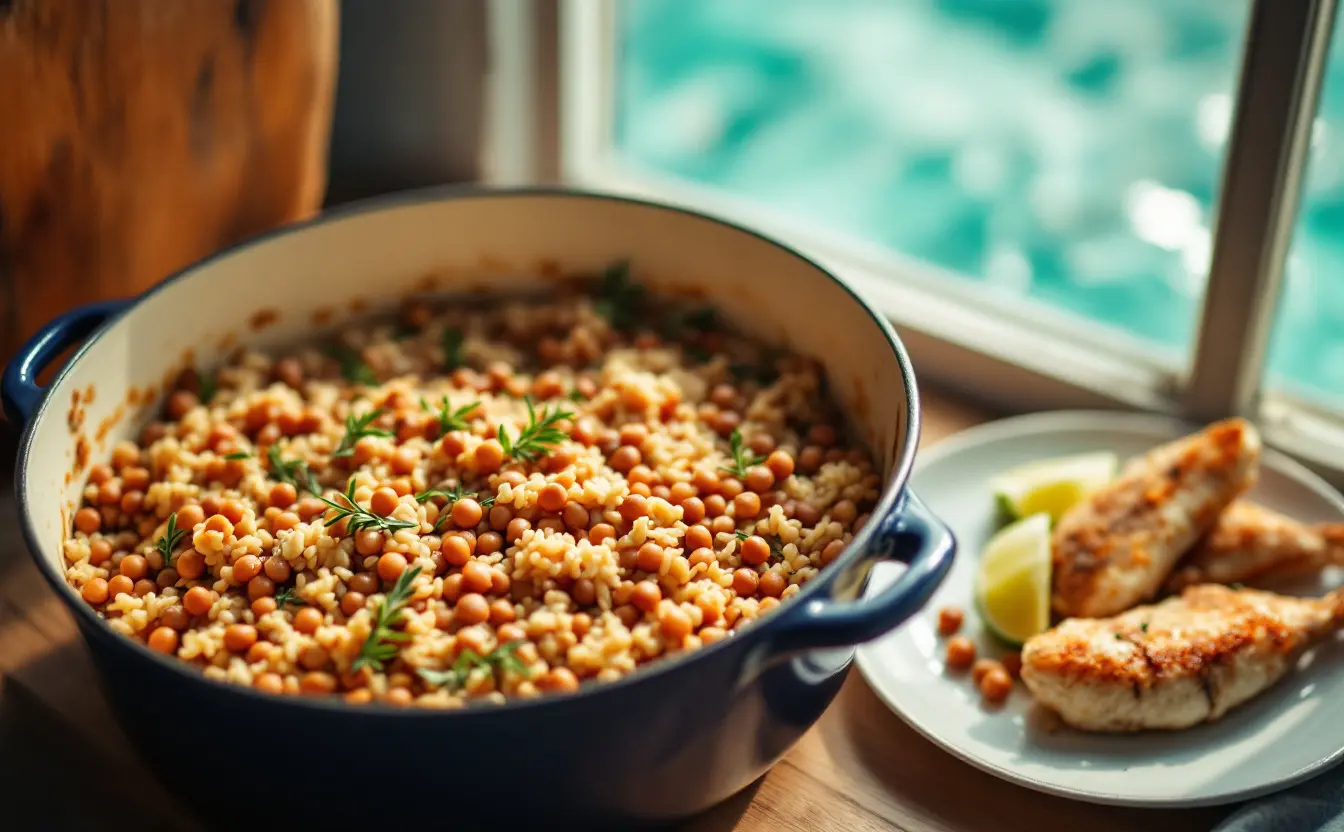
Bahamian peas 'n' rice recipe: pigeon peas, salt pork, thyme and the pot
A Bahamian peas 'n' rice recipe in metric and cups: pigeon peas, salt pork, tomato paste and thyme, the right pot, fixes for mushy rice and island variations.
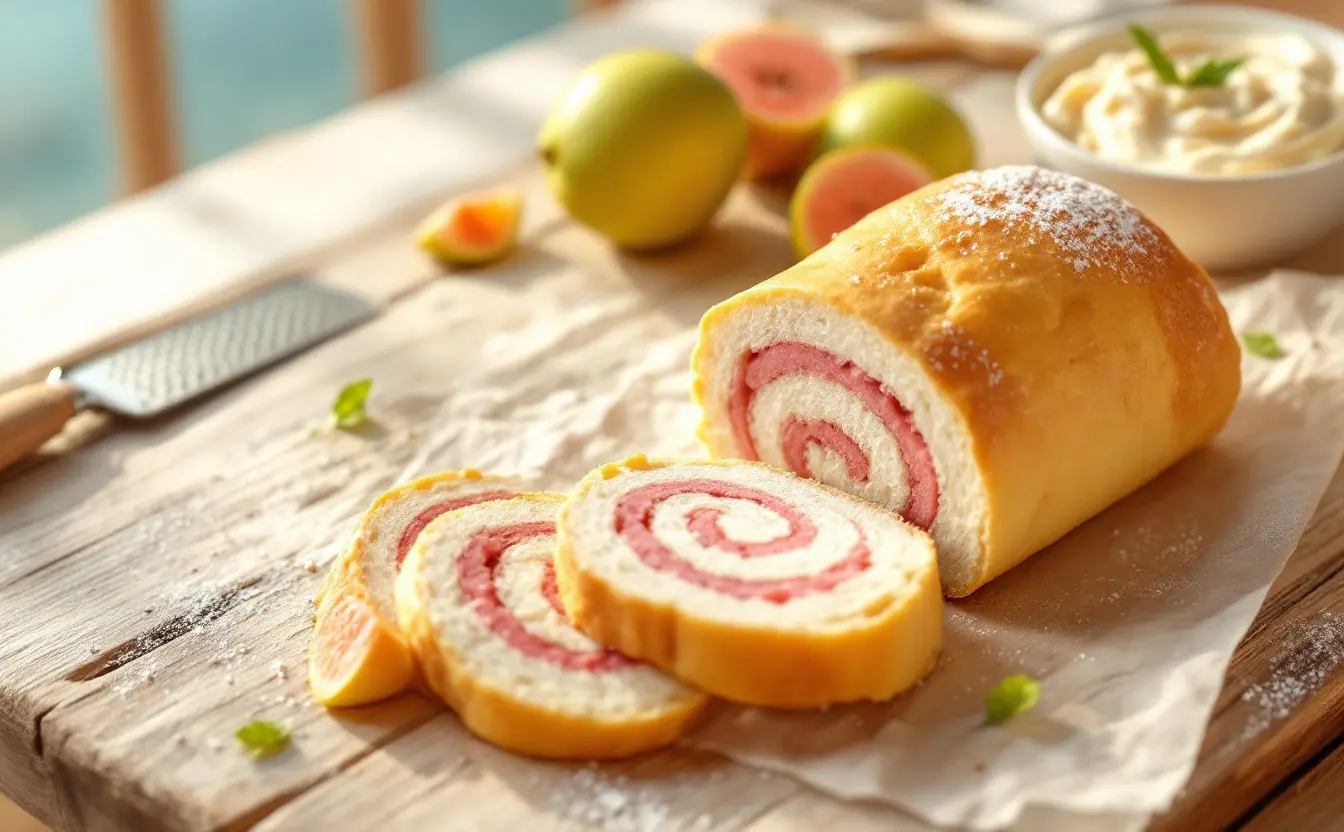
Guava duff: how to make the Bahamas' favourite rolled pudding
Make Bahamian guava duff at home: where the rolled pudding came from, a full recipe in metric and cups, the rum butter sauce and fixes for common problems.

Arawak Cay after dark: how to eat your way through the Fish Fry
How to spend an evening at Nassau's Arawak Cay Fish Fry: getting there, when to arrive, how ordering works, what to eat and drink, and seafood seasons.