Bahamian peas 'n' rice recipe: pigeon peas, salt pork, thyme and the pot
A Bahamian peas 'n' rice recipe in metric and cups: pigeon peas, salt pork, tomato paste and thyme, the right pot, fixes for mushy rice and island variations.

Simone Bethel · 9 min read
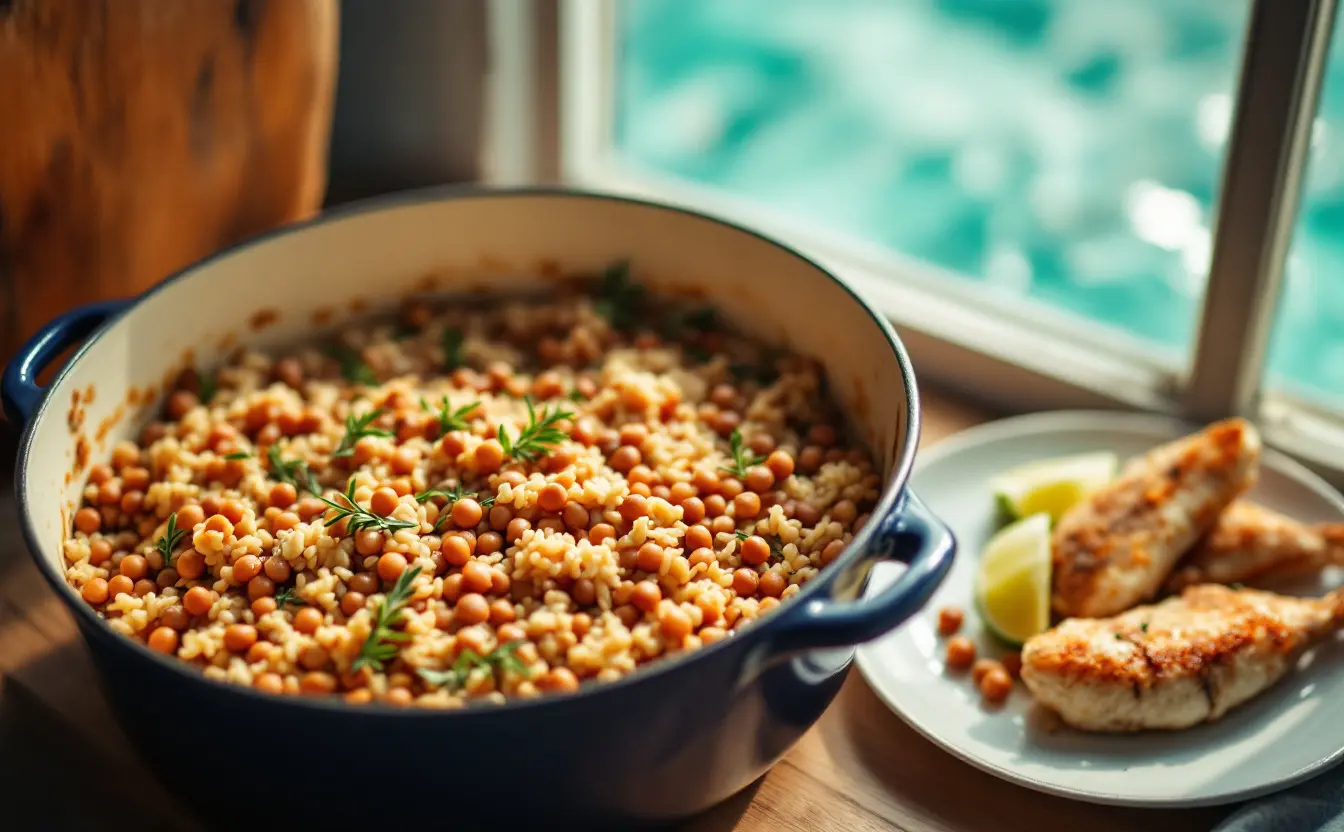
Every good Bahamian cook I know makes peas 'n' rice without measuring anything. Ask how, and you get a shrug and a list: a little salt pork, onion, sweet pepper, thyme, paste, peas, rice. The quantities live in their hands, and the colour of the pot tells them when the lid goes on. If you didn't grow up beside that stove, here are the measurements, the reasons behind each step and the fixes for what goes wrong.
Peas 'n' rice is the Bahamian side dish: beside fried snapper at a fish fry, under steamed fish on a Sunday, next to baked chicken and macaroni at every family gathering. Long-grain rice is cooked with pigeon peas in a seasoned, tomato-coloured base, usually with salt pork or bacon for savour. Done well, every grain is separate, tender and the colour of brick, and there is a thin crust at the bottom of the pot that someone will want.
The peas: fresh, frozen, canned or dried
Pigeon peas are small, round legumes that grow on a tall, scrubby shrub, and the plants turn up in yards and on empty lots across the islands. They bear as the days shorten, so fresh pods appear from around November into early spring, which makes green peas a winter and Christmas-season treat.
Which kind you use changes the dish a little:
- Canned brown pigeon peas are what most Bahamian kitchens use for most of the year, and what the recipe below assumes. They are the mature peas, cooked and canned, and they give the classic earthy flavour and deep colour. Keep the liquid; it goes into the pot.
- Frozen green pigeon peas are the young peas, shelled and frozen. They taste fresher and grassier and make a lighter pot. Simmer them in the measured water for about ten minutes before the rice goes in.
- Fresh green pigeon peas need shelling, then about 20 minutes' simmering in the water until just tender before the rice goes in.
- Dried pigeon peas work too. Soak them overnight, then simmer them in fresh water until tender, which can take an hour or more depending on their age. Use some of the cooking liquid in place of the liquid from the can.
If you are shopping outside the Caribbean, look for pigeon peas, sometimes labelled gandules or gungo peas. Green garden peas and black-eyed peas are not substitutes.
The pot matters more than you think
The last twenty minutes happen on a low heat with the lid on, and the pot decides how they go. A thin pot scorches the bottom layer before the top has cooked. You want something heavy-bottomed, with a lid that fits snugly, wide enough that the rice sits no more than about 8 cm (3 in) deep. A 4 to 5 litre (4 to 5 quart) pot suits the quantity below.
Bahamian cooks call for a "hard-bottom pot", meaning a heavy one, and many families have one that has done the job for decades. An enamelled cast-iron Dutch oven does the same job: it holds an even heat, and the pale enamel lets you watch the tomato paste darken. We chose that pick from makers' specifications and published reviews, not from trials in our own kitchen, so treat it as a pointer; any heavy pot with a good lid will do. If your lid sits loose, lay a sheet of foil over the pot before you put it on.
Bahamian peas 'n' rice recipe
Serves 6 as a side, or 4 with fried fish and little else. Allow about 50 minutes, most of it with the lid on.
Ingredients
- 60 g (2 oz) salt pork, in small dice, or 3 rashers of streaky bacon, chopped (or half of each)
- 1 tbsp vegetable oil
- 1 medium onion (about 150 g), finely diced
- ½ green sweet pepper, finely diced
- 1 stick celery, finely diced
- 1 small ripe tomato, chopped (optional)
- 3 or 4 sprigs fresh thyme, or ½ tsp dried thyme
- 2 tbsp (about 30 g) tomato paste
- 1 tsp browning (optional, see below)
- 1 can (about 425 g / 15 oz) brown pigeon peas, with their liquid
- About 380 g / 2 cups long-grain white rice
- Water: enough to bring the liquid from the can up to 830 ml (3½ cups) in total
- Salt and freshly ground black pepper
- 1 whole goat pepper or Scotch bonnet (optional)
Browning is a dark, slightly bitter caramel liquid, sold as gravy browning outside the Caribbean. It adds colour more than flavour, so it is optional.
Method
- Wash the rice. Rinse it in a sieve under cold running water until the water runs mostly clear, then drain. Washing removes loose surface starch, the main cause of sticky rice. Parboiled rice needs only a quick rinse.
- Render the pork. Put the salt pork or bacon in the pot with the oil over a medium heat and cook, stirring now and then, for 6 to 8 minutes, until the fat has run and the pieces are golden. If your salt pork is very salty, blanch it in boiling water for 3 minutes and drain it first. If there is more than about 2 tablespoons of fat in the pot, spoon some off.
- Soften the seasoning. Add the onion, sweet pepper, celery and tomato, if using, and cook for 5 to 6 minutes, until soft and starting to colour at the edges.
- Cook the paste. Add the thyme and tomato paste and stir for 2 to 3 minutes. The paste should darken from bright red to a deep brick colour and begin to catch on the base of the pot. This step gives the dish its colour and depth, so don't rush it.
- Add the peas and liquid. Tip in the peas with their liquid and the water, scraping the bottom to lift everything that has stuck. Add the browning and the whole hot pepper, if using, and bring to the boil.
- Season the liquid. Taste it. It should be a touch saltier than you would want a soup, because the rice will take up the salt. Salt pork varies a great deal, so add salt a little at a time: ¼ to ½ teaspoon is often enough with pork, more without. Add black pepper.
- Add the rice. Stir in the drained rice, bring it back to the boil and stir once to level it. Let it bubble uncovered for 2 to 4 minutes, until the liquid has dropped to the level of the rice and small craters appear on the surface.
- Cover and steam. Turn the heat to its lowest setting, cover tightly and cook for 20 minutes. Don't lift the lid and don't stir; the steam is doing the work.
- Check. Taste a few grains from the top. If they are tender and the liquid has gone, you are done. If they are still firm, sprinkle over 2 to 3 tablespoons of hot water, cover again and give it 5 more minutes.
- Rest and fluff. Take the pot off the heat and leave it covered for 10 minutes. Lift out the thyme stalks and the whole pepper, gently so it doesn't burst, then fluff the rice with a fork, working up from the bottom so the peas are spread through.
The ratio here is roughly 1 part rice to 1¾ parts liquid by volume, which suits ordinary long-grain rice in a heavy pot. Parboiled rice usually wants a little more: add an extra 120 ml (½ cup) of water and allow about 5 minutes longer.
Troubleshooting
The rice is mushy or sticky. Too much liquid, too much stirring or the wrong rice: short- and medium-grain rice turn creamy, so stick to long grain. To rescue a wet pot, take the lid off, keep the heat low and let the steam escape for 5 minutes, or spread the rice on a tray to dry a little. Next time, cut the water by 60 ml (¼ cup).
The top is hard but the bottom is burning. The heat was too high or steam escaped. Turn the flame right down (a heat diffuser helps on gas), seal the lid with foil, sprinkle a little hot water over the top and give it 5 to 10 minutes more.
There is a thick crust on the bottom. A thin, golden crust is normal, and for many people it is the best part. In the Bahamas, the crust that sets in the curve of the pot has a name: it is the original potcake, and the islands' mixed-breed dogs are called potcakes because, for generations, that crust went to them with the scraps. A thick, black layer means the heat was too high or the pot too thin; serve from the top and let the pot soak.
It looks pale. The paste wasn't cooked long enough to darken, or there wasn't enough of it. Give it the full three minutes next time, or add a teaspoon of browning with the liquid.
It tastes bland, or too salty. Both come down to tasting the liquid before the rice goes in. Rescue a bland pot with a little salt dissolved in hot water and hot sauce at the table; next time a salty one needs less salt pork, or blanched pork.
Variations from island kitchens
- With coconut milk. Replace 250 ml (1 cup) of the water with coconut milk for a richer, slightly sweeter pot. Older family recipes made the milk from a freshly grated coconut squeezed through a cloth.
- Crab 'n' rice. On Andros, known for its land crabs and its summer crab festival, the signature dish is crab 'n' rice: the same seasoned base, cooked with crab fat and crab meat so the whole pot tastes of the shore.
- Without pork. Use 2 tablespoons of oil, an extra sprig of thyme, the whole hot pepper and a teaspoon of browning to make up the depth. If you want smokiness without pork, a piece of smoked turkey does the job.
- Peas 'n' grits. Cook the same base with grits in place of rice and you have peas 'n' grits, an older Bahamian staple that is still served with stew fish or steamed fish in many homes.
What to serve it with
If you have eaten at the Arawak Cay Fish Fry, you have seen peas 'n' rice in its natural setting: a generous scoop on every plate beside the fried snapper. At home it goes with steamed fish, baked or fried chicken, ribs and pork chops, and with every member of the conch family from cracked conch to stew conch. Put baked macaroni, coleslaw, potato salad or fried plantain alongside and you have a Bahamian Sunday dinner; finish it with guava duff and rum butter sauce.
Cool leftovers quickly, refrigerate them promptly, eat them within a day or two and reheat until steaming hot throughout. More recipes are in the food and drink section.
Frequently asked questions
Is peas 'n' rice the same as Jamaican rice and peas?
Not quite. Jamaican rice and peas is usually made with kidney beans cooked in coconut milk, which gives a paler, creamier pot. The Bahamian version uses pigeon peas in a tomato-paste base with salt pork or bacon, so it comes out darker and more savoury. Coconut versions exist in the Bahamas too, but tomato and thyme are the standard.
Can I use kidney beans instead of pigeon peas?
You can, and the method stays the same, but kidney beans are softer and milder. Some Bahamian cooks would call the result beans 'n' rice.
Why is my peas 'n' rice sticky?
Usually there was too much liquid, it was stirred after the lid went on, or the rice was short or medium grain. Wash long-grain rice before cooking, measure the liquid including the pea liquid, and leave the pot covered on a low heat until it is done.
Keep reading
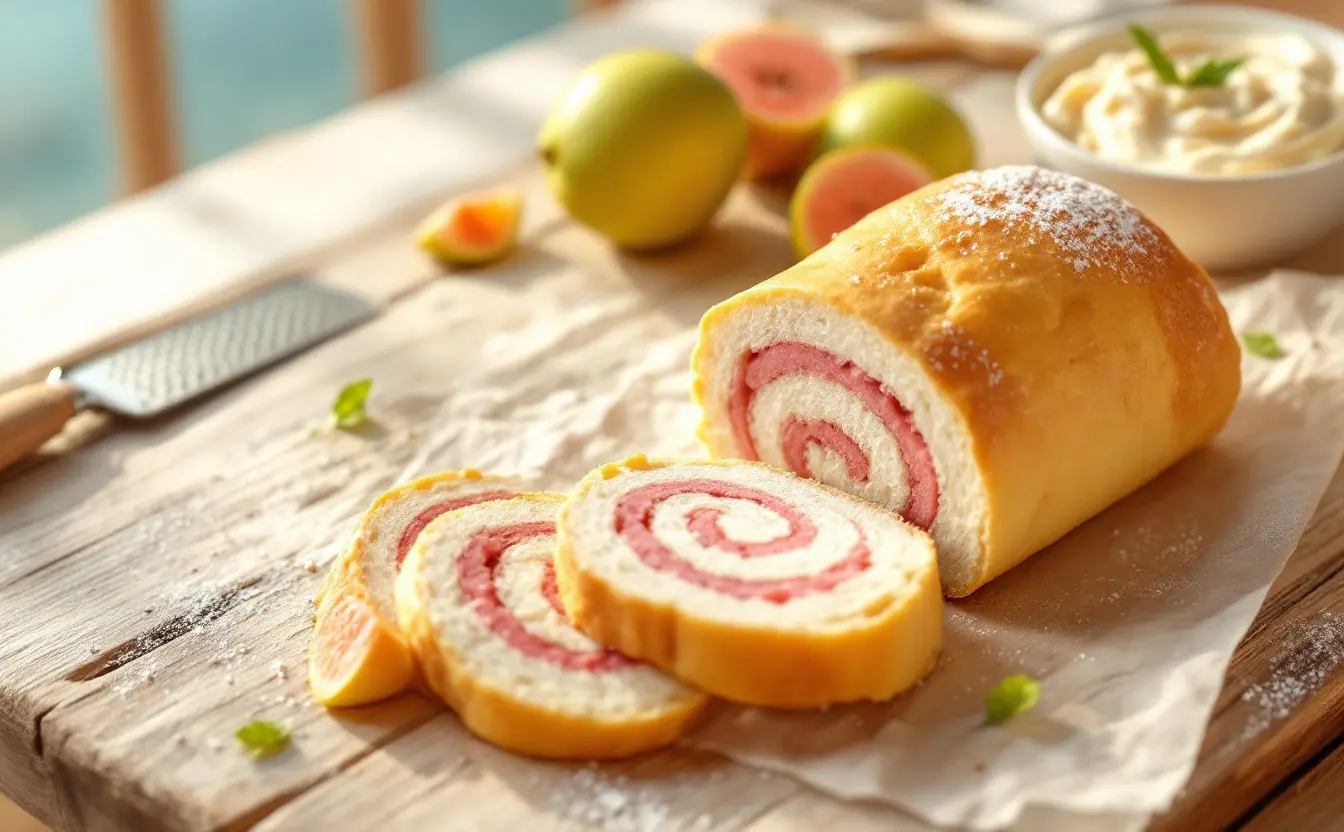
Guava duff: how to make the Bahamas' favourite rolled pudding
Make Bahamian guava duff at home: where the rolled pudding came from, a full recipe in metric and cups, the rum butter sauce and fixes for common problems.

Arawak Cay after dark: how to eat your way through the Fish Fry
How to spend an evening at Nassau's Arawak Cay Fish Fry: getting there, when to arrive, how ordering works, what to eat and drink, and seafood seasons.
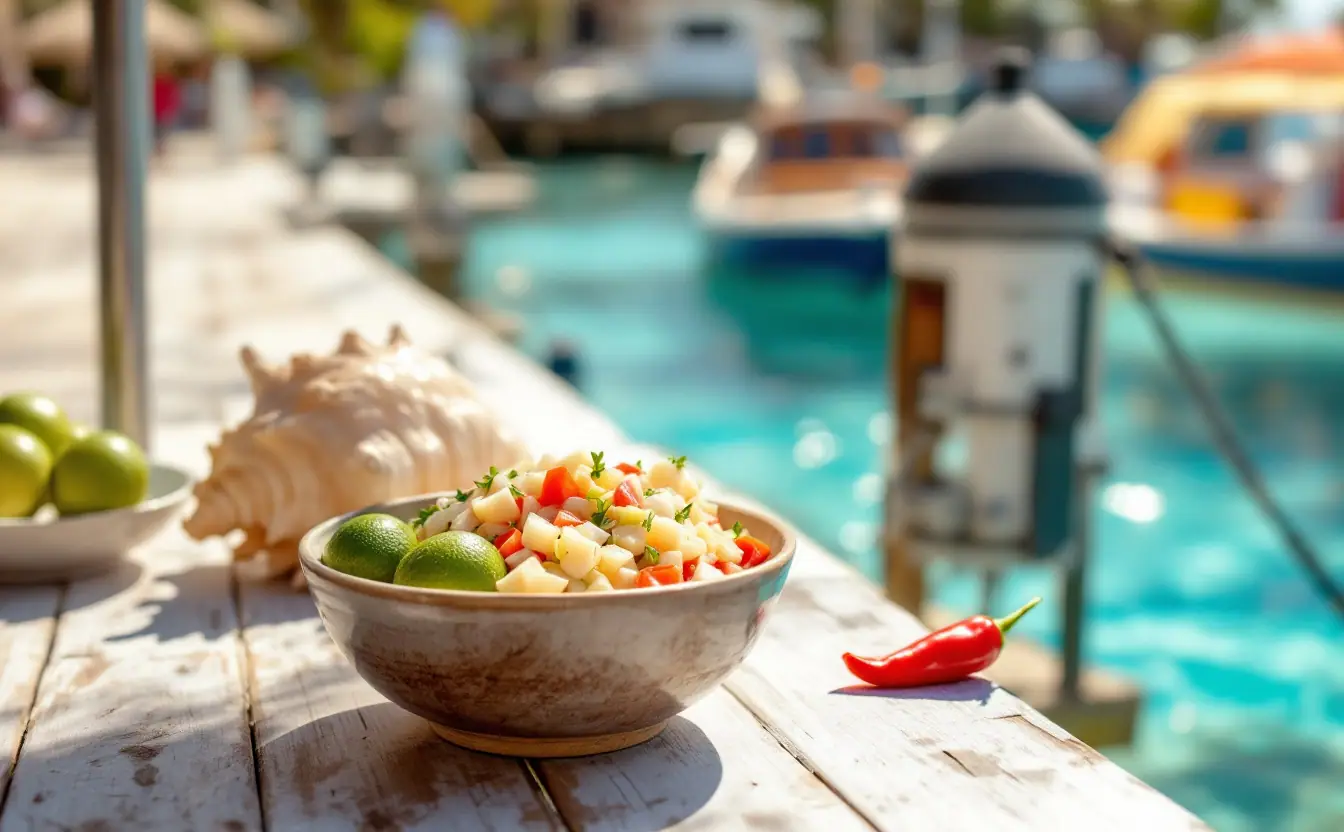
Conch every way: salad, fritters, cracked, stewed (and sourcing it well)
A dish-by-dish guide to Bahamian conch (salad, fritters, cracked, stewed) with a home conch salad recipe and what to know about the rules protecting it.