Bahamas day trip from Miami: Bimini by fast ferry, start to finish
A Bahamas day trip from Miami by fast ferry to Bimini: the dawn start, passports, how many hours you really get ashore, money and where to leave your luggage.

Devon Saunders · 9 min read
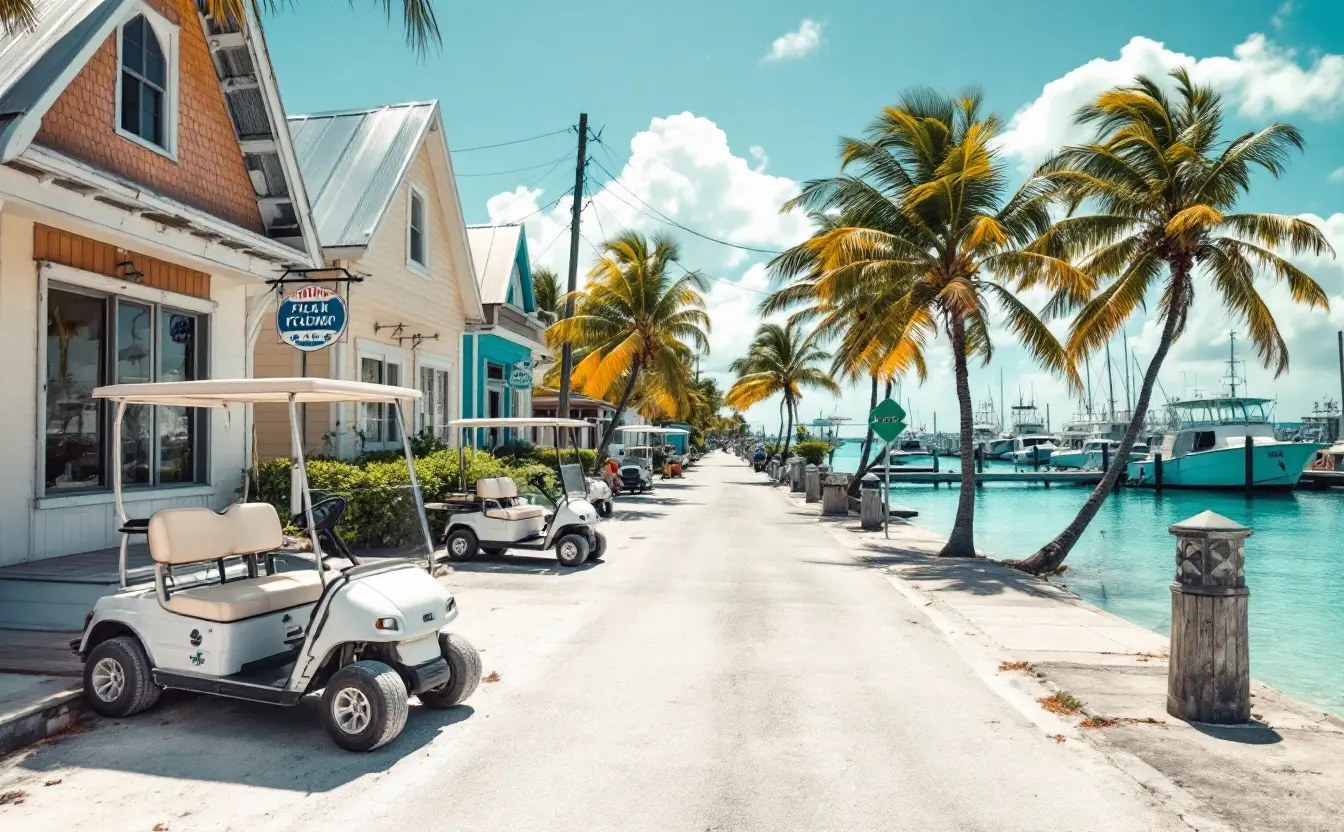
I look at a day trip the way I used to look at a small loan application: what goes in, what comes back, and what can go wrong in between. The Bimini day trip from Miami asks for a lot up front. There is an alarm well before dawn, a drive to Fort Lauderdale, two sea crossings, two passport checks and a late return. What comes back is a few hours on a Bahamian island with a beach on one side and the deep blue of the Gulf Stream on the other.
For plenty of people that is a fine return. For others, especially anyone who dislikes boats or early starts, it is not. This guide sets out how the day works, how many hours you actually get ashore, which documents you need and where to leave a suitcase in Miami if you are travelling on afterwards.
First, the ferry does not leave from Miami
The scheduled fast ferry to Bimini sails from Port Everglades in Fort Lauderdale, operated by Baleària Caribbean. Ferries have sailed from PortMiami in the past, but at the time of writing the scheduled crossing leaves from Port Everglades, not from Miami itself; check the operator's site for the current port. Port Everglades is roughly half an hour to an hour north of downtown Miami by road, depending on traffic.
That leaves three ways to reach the terminal: your own car, using the parking at the port; a taxi or ride-hail booked the night before; or a day-trip package sold in Miami that bundles the ferry ticket with a transfer from your hotel. Packages cost more but remove the dawn logistics. If you book one, check exactly what it includes, since some leave out things like access to a resort beach on Bimini.
Our guide to the ferry from Florida to the Bahamas covers the wider picture: both routes, the crossing itself and the Gulf Stream in winter. This piece is about doing Bimini in a single day.
The day, stage by stage
Sailing days and times change with the season, so check Baleària Caribbean's current sailing calendar before you plan anything around it. The sequence, though, stays the same.
| Stage | What happens | Planning note |
|---|---|---|
| Leave Miami | Car, taxi or transfer to Port Everglades | Before dawn; allow for traffic and parking |
| Check in | Ticket and passport checks, bag screening | The operator opens check-in hours ahead and closes the doors about an hour before sailing |
| Crossing out | About two hours across the Gulf Stream | Often bumpiest early on; sit low and near the middle |
| Arrival | Bahamas immigration and customs at the Bimini terminal | A full boat means a queue |
| Ashore | Taxi, shuttle or golf cart towards Alice Town | The terminal is a ride from the town centre |
| Return check-in | Back at the Bimini terminal | The operator asks for check-in at least an hour before departure |
| Crossing home | About two hours | In the winter months much of it may be after dark |
| US arrival | Customs and Border Protection at Port Everglades | Declare what you bought |
| Back to Miami | Car, taxi or transfer | Late evening |
Bimini keeps the same clock as Miami, so there is no time change to trip you up. Our sunrise and sunset planner shows how much daylight you will have on your date.
How many hours you actually get ashore
This is the number that matters, and it is smaller than the brochure suggests. Work it out like this:
- Take the arrival time on your ticket.
- Add up to an hour for a full boat to clear immigration and for you to reach Alice Town.
- Take the return departure time and subtract the hour the operator wants you checked in.
- Subtract another half hour to get back to the terminal without running.
The day-trip sailings have generally followed a pattern of a morning departure out and an early-evening departure back. On that pattern the sum usually comes to something like four to five hours of real island time, inside a day that starts before dawn and ends late in the evening. Four or five hours is enough for a swim, a long lunch and a walk. It is not enough for all three plus a boat trip, so choose.
Advertisement
Documents for a day trip
A day trip is still international travel, and the rules do not relax because you are home for bed.
- US citizens. Baleària's help pages say US citizens, adults and children alike, need a valid passport book or passport card, and that birth certificates and other photo ID are not accepted. A passport book is the safer choice: if bad weather or an emergency means flying home, a passport card will not get you on an international flight.
- Validity. The operator recommends a passport with plenty of time left before it expires. Check its current rule when you book, and make sure the passport is in good condition.
- Children. Every child, including babies, needs their own document.
- US residents who are not citizens. The operator asks for a valid green card plus the passport of your country of citizenship.
- Other visitors. You may need a Bahamas visa, and you must hold whatever lets you re-enter the United States by sea. Being allowed into the Bahamas does not guarantee your return to Florida.
Some packages ask for full passport details at booking and will not confirm a seat without them. The US State Department's travel information for the Bahamas sets out the official entry rules. Keep your passport in a waterproof phone and document pouch on the boat rather than loose in a beach bag.
Money on Bimini
The Bahamian dollar is pegged one to one with the US dollar, and US notes are accepted almost everywhere, so there is nothing to exchange. Your change may come back in Bahamian notes and coins; spend them before you leave, or keep them as a souvenir.
Bring cash in small US notes from Miami. On a small island cash machines are few, and some taxis, food stands and small shops take nothing else. Larger restaurants and resorts take cards, but check what your bank charges for foreign transactions, since Bimini counts as abroad. Bills often include VAT and sometimes a service charge, which changes how much to tip; our guide to tipping in the Bahamas explains how to read the bill.
Coming home, Customs and Border Protection at Port Everglades will ask what you bought. Keep receipts together, and read CBP's guidance for returning travellers on duty-free allowances, alcohol and food before you shop.
Advertisement
Spending four or five hours: three plans
The beach day. North Bimini's western shore is one long run of beach, a short ride from Alice Town. Take a taxi or a golf cart, swim, and eat lunch in town: conch salad made to order at the waterfront stands, and a loaf of Bimini bread, soft and slightly sweet, from a bakery for the boat home.
Alice Town on foot. Walk the main road along the harbour, past marinas full of sport-fishing boats, small shops and churches, and take the little water taxi across the channel to South Bimini if you want to say you have seen both islands. This is the plan with the least that can go wrong.
A booked trip on the water. Local operators run snorkelling and boat trips, but book ahead and give them your ferry times. A trip that brings you back late leaves you racing to the terminal, and the ferry will not wait.
Whichever you choose, set an alarm on your phone for the time you need to start back to the terminal. Island time is real, and it is very persuasive at four in the afternoon.
Bags: carry little, leave the rest in Miami
On a day trip you carry everything yourself, through two security checks and two immigration halls. A small backpack is ideal: passport, cash, a card, sunscreen, a hat, a swimsuit, a quick-dry towel, a charged phone and a power bank for the long day, a water bottle and a light layer for the air-conditioned lounge.
If you are travelling on afterwards, the suitcase is the awkward part. Ask your Miami hotel first whether it will hold bags for a day or two. If it will not, you can book luggage storage in Miami at one of many locations around the city, booked by the day. Check the opening hours carefully: many storage points open after a dawn ferry check-in and close before a late return, so it often works better to drop the bag the evening before and collect it the morning after. Do not leave luggage on view in a car parked at the port all day.
If the sea says no
The Gulf Stream decides more than any timetable. From roughly November to April, cold fronts bring a day or two of strong north wind every week or so, and on those days the crossing can be rough, delayed or cancelled. The decision belongs to the operator. Watch the forecast for the days around your trip, keep your Miami plans flexible, and never book a flight home on the evening of a day trip. Late spring and early summer usually bring the calmest crossings.
If you know you get seasick, speak to a pharmacist before the trip, since some remedies need to be taken well before you sail.
Frequently asked questions
Can you do a day trip to the Bahamas from Miami?
Yes, by taking the fast ferry from Port Everglades in Fort Lauderdale to Bimini on sailing days with a morning departure and an evening return. It is a long day, with a pre-dawn start and only a few hours ashore. Some Miami packages include a transfer to the port.
Do I need a passport for a day trip to Bimini?
Yes. The operator asks US citizens for a valid passport book or passport card, and does not accept birth certificates. A passport book is the safer option in case you ever need to fly home, and non-US citizens also need documents that let them re-enter the United States.
How long do you get on Bimini on a day trip?
Usually something like four to five hours once you allow for immigration on arrival, the trip into Alice Town and the return check-in, which closes about an hour before departure. Work it out from your own ticket times before you plan the day.
Can I use US dollars in Bimini?
Yes. The Bahamian dollar is worth the same as the US dollar, and US notes are accepted almost everywhere. Bring small notes, because change may come back in Bahamian money and cash machines are scarce.
Advertisement
Keep reading

The Bahamas in December: weather, cold fronts, Junkanoo and packing
The Bahamas in December: mild days, cool nights and cold fronts, sea temperatures, Boxing Day Junkanoo, Christmas customs, what to pack and when to book.

Bahamas mail boat schedules: how to find, book and ride a sailing
How Bahamas mail boats work and how to find a sailing: Potter's Cay Dock, the dockmaster's office, tickets, cabin or deck, cargo, delays and what to pack.

Snorkelling in the Exumas: the best spots, boat trips and what to bring
Snorkelling in the Exumas: Thunderball Grotto, the reefs of the Exuma Cays Land and Sea Park, boat trips or shore, tides, currents and the gear to bring.