The Bahamas in October: weather, hurricane risk, sea and what to pack
October in the Bahamas: hot days, a warm sea, the tail of hurricane season, National Heroes Day, quieter hotels and what to pack for showers and sun.

Hannah Lowe · 9 min read
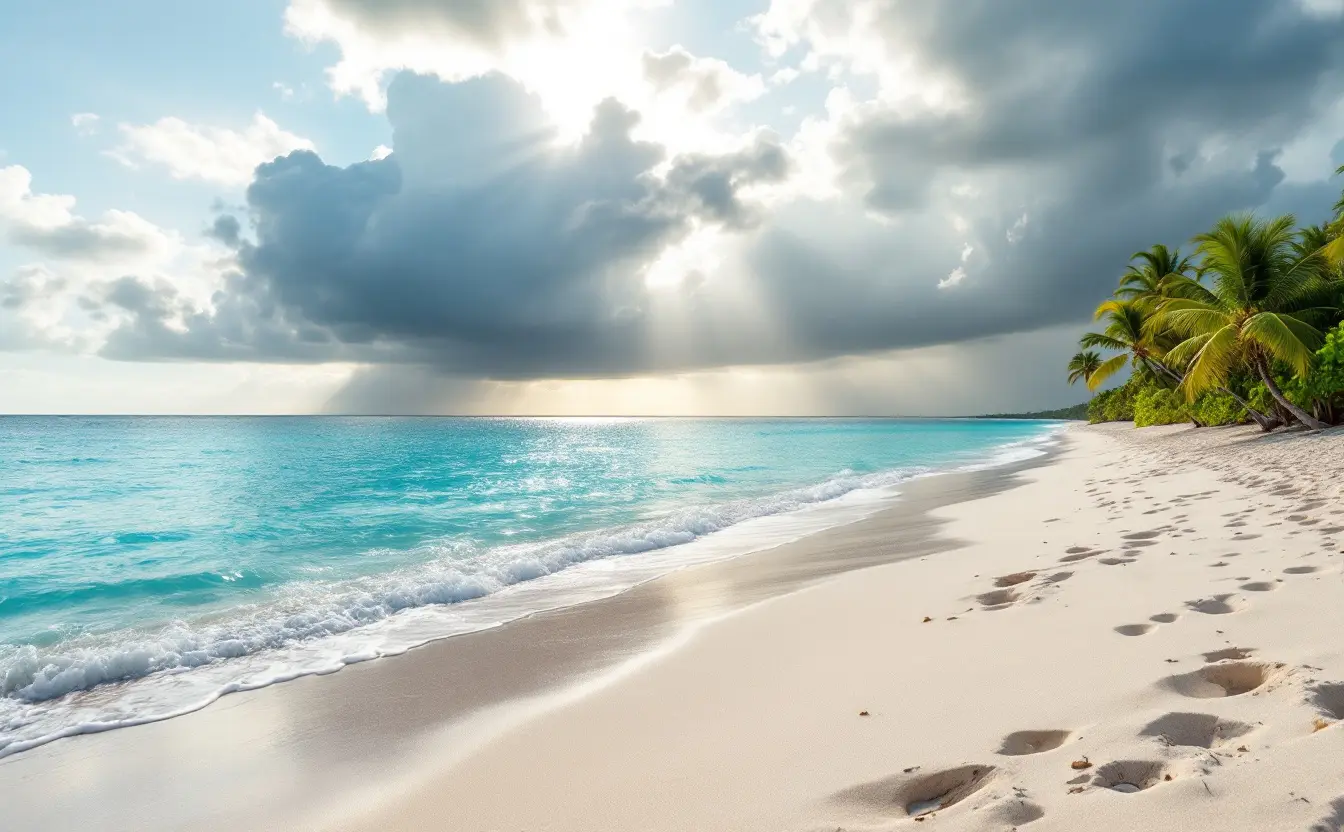
October is the month when Nassau starts to breathe out. The worst of the summer heat eases, the afternoon thunderstorms come less often as the weeks go by, and at some point late in the month the first cold front of the season may slide down from Florida and give us a night cool enough to sleep with the windows open. It is also still hurricane season, and that is the part visitors ask me about most.
I grew up on Abaco and live in Nassau now, and October has always felt like a month of two halves. The first belongs to the summer and its storms. The second often brings a change in the air, quieter beaches and the start of the island year that winter visitors never see. This guide covers the weather and the sea, what late-season hurricane risk looks like, National Heroes Day, prices and crowds, and what to pack.
October at a glance
| Item | Early October | Late October |
|---|---|---|
| Nassau afternoons | Hot and humid, around 31°C (87°F) | Still warm, often less sticky |
| Nassau nights | Around 24°C (75°F) | Can feel cooler after a front |
| Rain | Short, heavy showers on many afternoons | Usually fewer, though a front can bring a wet day |
| Sea around New Providence | About 28°C (83°F) | About 28°C (83°F) |
| Sunrise and sunset in Nassau | About 7:02 am and 6:56 pm | About 7:16 am and 6:29 pm |
| Hurricane season | Inside the busiest stretch | Quieter, but not over |
Temperatures are typical values from our month-by-month weather guide, which rounds the Bahamas Department of Meteorology's long-term averages. Sunrise and sunset are for Nassau on Eastern Daylight Time; the clocks go back on the first Sunday in November.
The weather, early and late in the month
Early October still feels like summer. Mornings are bright and hot, cloud builds over the land after lunch, and a downpour can arrive with very little warning, rattle on the roof for half an hour and then clear. Most rain here comes this way rather than as grey, all-day drizzle. The exception is a slow tropical wave or a passing storm system, which can bring a soaking day or two.
As the month goes on, the rains usually ease. The dry season proper starts around November, but the change often begins in late October with the first cold front. You can usually feel one coming: the breeze falters and swings round to the south, the air turns muggy, and a line of cloud builds in the north-west. Behind it, the wind comes from the north, the humidity drops and the evening suddenly feels fresh. Early fronts are often weak and may stall over the northern islands, but when one gets through, it is the most pleasant weather of the month.
Where you stay matters. Grand Bahama, Abaco and Bimini feel fronts first and most strongly. The central islands, including New Providence, Eleuthera and the Exumas, sit in between. The southern islands, from Long Island down to Inagua, are drier and warmer, and many fronts fade before they get that far.
The sea in October
The sea is one of the best reasons to come. Open water around New Providence is typically about 28°C (83°F), only a little cooler than the August peak, so most people can snorkel for an hour without a wetsuit. On calm mornings the shallows are as clear as at any time of year.
Two things can change that. A passing storm system, even a distant one, can send swell onto exposed beaches and cloud the water for days. A cold front does the same to north-facing shores: for a day or two after one passes, the north side of an island can be rough and murky while the south side stays flat. If you are booking boat trips, leave a spare day in your plan so a blustery morning costs you nothing.
Hurricane risk late in the season
The Atlantic hurricane season runs from 1 June to 30 November. According to the US National Hurricane Center, the season peaks around 10 September, with most activity between mid-August and mid-October. In plain terms, the first half of October is still inside the busy stretch, and the second half is quieter but not finished.
Where storms come from also shifts. The Hurricane Center publishes maps showing where storms tend to occur in each month, and by October the activity pulls back towards the western Caribbean, the Gulf of Mexico and the waters around Florida and the Bahamas. Late-season storms often form in the western Caribbean and then turn north or north-east, a path that can carry them across Cuba and into our islands.
Two late-October storms show what that looks like. In 2012, Sandy crossed Jamaica and eastern Cuba and then moved through the central and north-western Bahamas, with Cat Island and Exuma taking much of the damage. In late October 2025, Hurricane Melissa brought hurricane warnings to the central and south-eastern islands, and the government ordered evacuations of Inagua, Mayaguana, Acklins, Crooked Island and Ragged Island. Our hurricane season household calendar recalls Joaquin and Matthew, two more October storms.
I am not going to put a figure on your chances in a given week, because nobody can do that honestly months ahead. What you can count on is notice. The Hurricane Center's Tropical Weather Outlook looks a week ahead, and when a storm does threaten, the Bahamas Department of Meteorology issues watches and warnings for named islands, normally days before conditions turn. For a trip, that means:
- Insure when you book. Once a storm is named, insurers generally treat it as a known event, and a new policy will not cover it. If you are comparing policies, Travel Guard's trip insurance is one place to start; read exactly what it says about named storms and hurricane warnings at your destination.
- Book flexibly. Changeable fares and rooms with fair cancellation terms cost more, but let you move a trip at short notice. Ask each hotel for its hurricane policy in writing.
- Leave slack at the end. Flights, ferries and mail boats stop before the weather turns, and airports can close for a day or more. Avoid a tight connection home.
- Follow local instructions. If a watch is issued while you are here, listen to the Met Department, NEMA and your hotel, and leave early if you are advised to.
National Heroes Day
National Heroes Day falls on the second Monday in October. In 2026 it fell on 12 October, and in 2027 it falls on 11 October. The holiday replaced Discovery Day, which marked Columbus's landfall in 1492, in 2013, the same year the country set up its own system of national honours. The day now honours Bahamians who shaped the nation.
For a visitor, the practical effect is a long weekend. Government offices and banks close on the Monday, and so do many shops and businesses, so plan banking and errands for the Friday. Hotels keep running and plenty of restaurants open, but check hours before you set out. Many Nassau families head to the Family Islands for the weekend, so flights and boats around the holiday can be busier than the rest of the month.
Prices, crowds and what is open
October sits inside what is usually the quietest and best-value part of the Bahamian year, roughly from late August to early December. Room rates in Nassau and on Paradise Island are generally lower than in the winter peak, beaches are less crowded, and restaurants are easier to book.
There are two things to know. Cruise ships call all year, so downtown Nassau is still busy on days when several ships are in, then quiet again by evening. And on the Family Islands, many small hotels, lodges and restaurants close for a few weeks between September and late October or early November, for repairs and staff holidays. If you have your heart set on a particular inn on a small cay, check its dates before you book flights, and check that the restaurant down the road will be open too.
There is good news at the table. Crawfish season opened on 1 August, so the local spiny lobster is on menus and at the dock, and grouper is in season until it closes on 1 December.
What to pack for October
Pack for heat, showers and strong sun, with one eye on a cooler evening late in the month.
- Light, quick-drying clothes. Cotton and linen for town, and things that dry overnight if a shower catches you.
- A packable rain jacket or small umbrella. You will rarely need it for long, but you will be glad of it.
- Sandals that can get wet. Streets and paths puddle quickly after a downpour.
- One light layer. For a breezy evening after a front, and for air-conditioned restaurants and planes.
- Sun protection. The sun is fierce in October, cloud or no cloud. Bring a hat, sunglasses and plenty of water-resistant sunscreen.
- Insect repellent. Mosquitoes and sandflies are busiest at dusk after rain.
- A few extra days of any medicine you take, in case weather delays your flight home.
- Copies of your passport and insurance details, stored online as well as on paper.
Our packing list builder will turn this into a checklist for your dates, island and activities. For the small things that make a showery, sunny week easier, these are the picks I would start with. We chose them from makers' specifications and published reviews rather than testing them ourselves.
Shore bag
- Roll-top dry bag, about 10 litresPhone, keys and a towel stay dry on boat days and wet landingsBrowse on Amazon
- Packable wide-brim sun hatShade for the face and neck that survives a suitcaseBrowse on Amazon
- Insulated stainless water bottleCold water through a hot afternoon on the beachBrowse on Amazon
- Mineral zinc oxide sunscreen lotion, SPF 30 or higherZinc-based, water resistant, for body coverageBrowse on Amazon
Frequently asked questions
Is October a good time to visit the Bahamas?
It can be, if you plan around the weather. You get a warm sea, quieter beaches and lower prices than in winter, in exchange for afternoon showers and the tail of hurricane season. Book flexibly and insure when you book, and you give yourself the best chance of a good trip.
How warm is the sea in October?
Open water around New Providence is typically about 28°C (83°F), close to its yearly high. Most swimmers and snorkellers are comfortable without a wetsuit. The southern islands run a little warmer.
What happens if a hurricane threatens during my trip?
The Bahamas Department of Meteorology issues watches and warnings for the islands, usually days ahead of the weather. Follow its bulletins, NEMA's instructions and your hotel's advice, and leave early if you are told to. Airlines often add flights before airports close, so contact yours as soon as a watch is issued.
Is National Heroes Day a public holiday?
Yes. It falls on the second Monday in October, and government offices, banks and many businesses close for the day. Hotels stay open and many restaurants do too, but it is worth checking opening hours.
Does it rain all day in October?
Rarely. Most rain comes as short, heavy afternoon showers that clear within the hour, and they become less frequent later in the month. A slow-moving tropical system or a cold front can bring a wet day, so keep one indoor plan in reserve.
Keep reading

What to pack for the Bahamas: a packing list by season and island
What to pack for the Bahamas in winter, summer or hurricane season, for Nassau or the Family Islands, with boat days covered and a sample week's list.

Island-hopping the Exumas by mail boat, ferry and small plane
A leg-by-leg Exumas route: overnight mail boat from Nassau to the cays, small boats around Staniel Cay, a light-plane hop to George Town and harbour ferries.

Choosing your first Out Island: Eleuthera, Andros, Long Island or Abaco
Eleuthera, Andros, Long Island or Abaco? A side-by-side guide to getting there, getting around and which Out Island suits a first visit to the Bahamas.