What to put in a Bahamas beach bag: shade, water and a cooler that copes
What to put in a Bahamas beach bag for a full day out: shade that copes with trade winds, a soft cooler, a sand-free mat, water, sun kit and boat-day bags.

Hannah Lowe · 9 min read
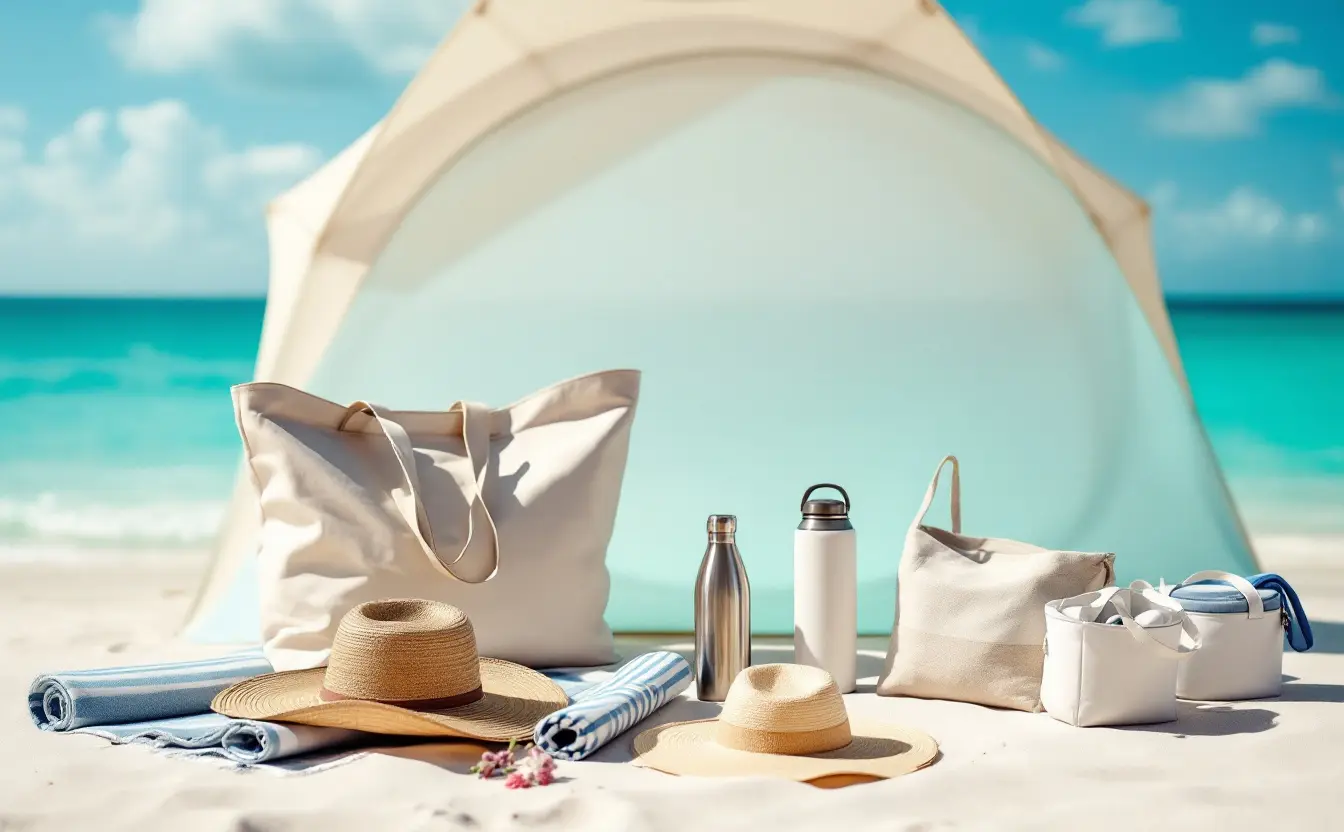
There is a canvas bag on a hook by my back door that never quite gets unpacked. It holds the towels, the sunscreen, a folded shade and the cooler, and on a Saturday morning it goes into the car without much thought. The habit started on Abaco, where our favourite beach was a short boat ride from anything you could buy, and forgetting the water meant going without it.
Island-ready picks
- Browse on Amazon
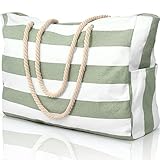
Large waterproof beach tote
Towels, snorkel gear and sunscreen in one bag
Price at Amazon, 22 Oct 2026, 12:31 pm: $14.99
- Browse on Amazon
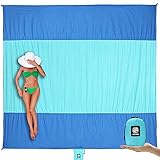
Sand-free beach blanket
Sand falls through instead of coming home with you
Price at Amazon, 22 Oct 2026, 12:31 pm: $32.38
- Browse on Amazon
Pop-up beach shade
Shade on the cays where there are no umbrellas to rent
Price at Amazon, 22 Oct 2026, 12:31 pm: $33.99

CheapOair flight search A second place to compare flights to Nassau and the Family Islands
Continue to CheapOairProduct prices and availability are accurate as of the date/time indicated and are subject to change.
Nassau has made me lazier. On Cable Beach or Junkanoo Beach there are vendors, chairs and a shop within walking distance. Take the same bag to a cay off Eleuthera, or to a strip of sand on Long Island at the end of a dirt track, and the beach offers exactly what nature put there: sand, sea, a few sea grape bushes and a lot of sun. This list is for that second kind of day. It covers the first kind easily.
What a Bahamian beach usually lacks
On a resort beach, most of this section does not apply. Almost everywhere else, plan on the following being absent.
- Shade. Many of the loveliest beaches face open water with low scrub behind them. Casuarinas and sea grapes give some cover on certain stretches, rarely where you want to sit. Learn to recognise poisonwood, a common tree in Bahamian coastal bush whose sap causes a rash much like poison ivy, and never tie a shade line to it or sit beneath it after rain.
- Shops and taps. No kiosk, no fountain, often no settlement within walking distance. Whatever you drink, you carried.
- Toilets. None on an uninhabited cay, and nowhere to rinse off. Use the facilities before you set out.
- Bins. Nobody collects rubbish from a remote beach. What arrives in your bag leaves in it.
- Lifeguards. Away from hotel frontages, assume there are none, and keep children within arm's reach in the water.
- Phone signal. Coverage on the outer cays can be patchy, so tell someone where you are going and when you expect to be back.
The bag itself
Start with one large bag rather than four small ones. A big waterproof tote with a flat base stands up on the sand, swallows towels, snorkel gear and the sun kit, and keeps a wet towel from soaking the car seat on the way home. Look for a wide opening, so you can find things without emptying everything out, and a zipped inside pocket for keys and cash. Mesh bags shed sand nicely but drip and let the sun cook whatever is inside, so I prefer a waterproof lining with one mesh pocket on the outside for the sandy things.
Weight matters more than people expect. You carry this bag across soft sand, sometimes along a path through the bush, and on and off small boats. Pack it once at home and walk it round the garden. If it hurts there, it will hurt more on the beach.
Shade that copes with the trade winds
For most of the year the trade winds blow steadily from the east, and when a winter cold front comes through the wind can swing round and strengthen for a day or two. That breeze is lovely when you are hot and the reason so many beach umbrellas end up cartwheeling down the sand. A low pop-up beach shade with sand pockets holds far better than a tall umbrella, because it sits close to the ground and presents its back, not its edge, to the wind.
A few habits keep it standing:
- Pitch it with the closed back facing the wind, which on many beaches means facing roughly east.
- Fill the sand pockets properly, not with a token handful, and push the pegs in at an angle away from the shelter.
- Never leave it up while everyone is swimming. A loose shade can travel a long way and hurt someone.
- Fold it away as soon as the gusts start lifting the edges.
Beach choice helps too. On islands such as Eleuthera and Long Island, the Atlantic side takes the full breeze, while the shores facing the shallow bank are often calmer.
Cold food and drink
A hard cooler is a fine thing in the back of a truck and a misery across 200 metres of sand or in a small skiff. A soft-sided cooler with a shoulder strap is lighter, squashes into a boat locker and folds flat at home. Freeze two or three water bottles the night before and use them as ice packs; by the afternoon they are cold drinking water. Keep the cooler in the shade, open it as little as possible, and pack drinks and food in separate layers so the lunch is not lifted out every time someone wants a drink.
Pack food that survives heat and sand: sandwiches wrapped well, fruit that does not bruise, a tub of peas and rice or cold chicken, and plenty to drink. Leave glass bottles at home: broken glass in the sand is the last thing anyone barefoot needs.
Somewhere to sit
An ordinary blanket collects sand, and every shake sends it into the next person's lunch. A sand-free beach mat uses a layered weave that lets sand fall through to the beach instead of sitting on top. Most have corner pockets that you fill with sand to stop the trade winds turning the mat into a kite, and they fold smaller than a blanket and dry quickly.
Towels, water and the sun kit
Towels. A quick-dry microfibre towel is thinner than a hotel towel, dries between swims and shakes clean. I pack one per person plus a spare to sit on in the car.
Water. Give everyone their own insulated bottle, filled at home, and leave a large refill jug in the car or the boat. Heat and wind dry you out faster than you notice, and you will not find a tap on the cay.
Sun protection. The sun is strong all year, and the white sand and shallow water reflect it back at you. Bring mineral sunscreen and plenty of it, a wide-brimmed hat, a long-sleeved swim shirt for long snorkels, and a lip balm with SPF. Reapply after swimming and towelling, as the label tells you. Our sunscreen planner works out how much a group needs for a day out, and our guide to reef-safe sunscreen for the Bahamas explains what to look for on the label. If anyone feels unwell in the heat, get them into shade and seek medical advice.
Boat days: keeping things dry
Many of the best beaches are reached by water taxi or a friend's skiff, and that often means a wet landing: you hop over the side into knee-deep water and wade in. A roll-top dry bag keeps the phone, keys, wallet and a dry shirt safe from spray and from that last step. A waterproof phone pouch on a lanyard lets you take photos from the boat without risking the phone. Before trusting one with an expensive handset, close it at home with a folded tissue inside and hold it under water for a minute.
The kit, in two bags
Our product names are generic on purpose, and you can buy any decent version. These suggestions are drawn from makers' specifications and from published reviews; we have not tested the particular items ourselves, so check the size, weight and materials against how you plan to use them.
For the beach itself, the bag, the shade, the mat and the cooler:
Shore bag
- Large waterproof beach toteTowels, snorkel gear and sunscreen in one bagBrowse on Amazon
- Pop-up beach shadeShade on the cays where there are no umbrellas to rentBrowse on Amazon
- Sand-free beach blanketSand falls through instead of coming home with youBrowse on Amazon
- Soft-sided cooler bagLunch and cold drinks for a boat or beach dayBrowse on Amazon
And the smaller things that ride inside it, including the two that matter on boat days:
Shore bag
- Quick-dry microfibre towelDries fast and packs smallBrowse on Amazon
- Insulated stainless water bottleCold water through a hot afternoon on the beachBrowse on Amazon
- Mineral zinc oxide sunscreen lotion, SPF 30 or higherZinc-based, water resistant, for body coverageBrowse on Amazon
- Packable wide-brim sun hatShade for the face and neck that survives a suitcaseBrowse on Amazon
- Roll-top dry bag, about 10 litresPhone, keys and a towel stay dry on boat days and wet landingsBrowse on Amazon
- Waterproof phone pouch on a lanyardPhotos from the dinghy without risking the phoneBrowse on Amazon
Town beach or remote cay?
The same bag works for both, but the stakes are different. This is how I adjust it.
| Item | Town or hotel beach | Remote cay or settlement beach |
|---|---|---|
| Shade | Often for rent, or trees nearby | Bring your own and expect wind |
| Water | Can usually be bought | Bring all of it, plus a spare jug |
| Food | Vendors or a café within reach | Pack lunch in the cooler |
| Toilets | Hotel or public facilities | None at all |
| Rubbish | Bins on the beach | Take every scrap home |
| Dry bag | Useful | Essential if you arrive by boat |
| First aid | Pharmacy in town | Plasters, antiseptic and tweezers in the bag |
| Someone told your plans | Nice to do | Always |
If the beach day is part of a longer trip, our packing list for the Bahamas covers the rest of the case.
Packing it so it works
A beach bag packed in the right order saves a lot of rummaging on the sand.
- Shade and mat go flat against the back of the tote, where they also stop the bag sagging.
- Towels next, rolled, which cushions everything else.
- Sun kit, water bottles and the first aid pouch at the top, where you can reach them first.
- Phone, keys and cash in the dry bag, clipped to the handle so it cannot be left behind.
- The cooler travels separately on its own strap, so the bag never gets wet from melting ice.
- One empty bag, folded small, for rubbish and wet swimsuits on the way home.
Leave the beach as you found it
The Bahamas has done a lot to keep its beaches clean, and visitors are part of that. A law that came into force at the start of 2020 banned many single-use plastics, including most plastic shopping bags, straws, plastic cutlery and polystyrene food containers, so reusable cups, cutlery and tubs are the sensible kit anyway.
In the national parks the rules are stricter. In the Exuma Cays Land and Sea Park, the Bahamas National Trust's park rules state that nothing living or dead may be removed, beach sand included, and that there is no rubbish collection, so you take out everything you bring in. That is a good standard for any beach:
- Carry all rubbish home, including fruit peel and cigarette ends.
- Leave shells, coral and sand where they are, and keep starfish in the water.
- Keep away from turtle tracks and marked nests.
- Do not feed fish, birds or iguanas, however tame they seem.
Frequently asked questions
What should I bring to a beach in the Bahamas?
For a full day away from the resorts, bring shade, a soft cooler with lunch and more water than you expect to drink, a sand-free mat, quick-dry towels, mineral sunscreen, a hat and a bag for rubbish. Add a dry bag and a phone pouch if you are going by boat. Assume there will be no shop, tap or toilet.
Can I rent umbrellas and chairs on Bahamian beaches?
On busy beaches in Nassau, Paradise Island and around Freeport and Lucaya, vendors and hotels often rent chairs and umbrellas. On the Family Islands and the cays, there is usually nothing to rent, which is why a low pop-up shade is worth packing.
How do I stop a beach shade blowing away in the wind?
Choose a low shade rather than an umbrella, face its closed back into the wind and fill every sand pocket generously. Take it down before you all go swimming and as soon as the gusts start lifting it. On a very windy day, look for a beach on the sheltered side of the island.
Can I take shells home from a Bahamian beach?
Not from national parks such as the Exuma Cays Land and Sea Park, where nothing living or dead may be removed. Elsewhere, leave anything with an animal inside, and check your home country's customs rules before packing even an empty shell. Photographs are the safer souvenir.
Keep reading
Bahamas plug type and voltage: adapters, chargers and power on the cays
Bahamian sockets take US plugs at 120 volts and 60 Hz. What US, Canadian, UK and EU visitors need, plus charging on boats, small cays and cruise ships.
The Bahamas in October: weather, hurricane risk, sea and what to pack
October in the Bahamas: hot days, a warm sea, the tail of hurricane season, National Heroes Day, quieter hotels and what to pack for showers and sun.
What to pack for the Bahamas: a packing list by season and island
What to pack for the Bahamas in winter, summer or hurricane season, for Nassau or the Family Islands, with boat days covered and a sample week's list.