Snorkel gear for a Bahamas trip: masks, snorkels and fins that travel
Snorkel gear for a Bahamas trip: how to fit a mask, dry-top or classic snorkels, short travel fins, kids' sets, vests and keeping the glass from fogging.

Marisa Cartwright · 8 min read
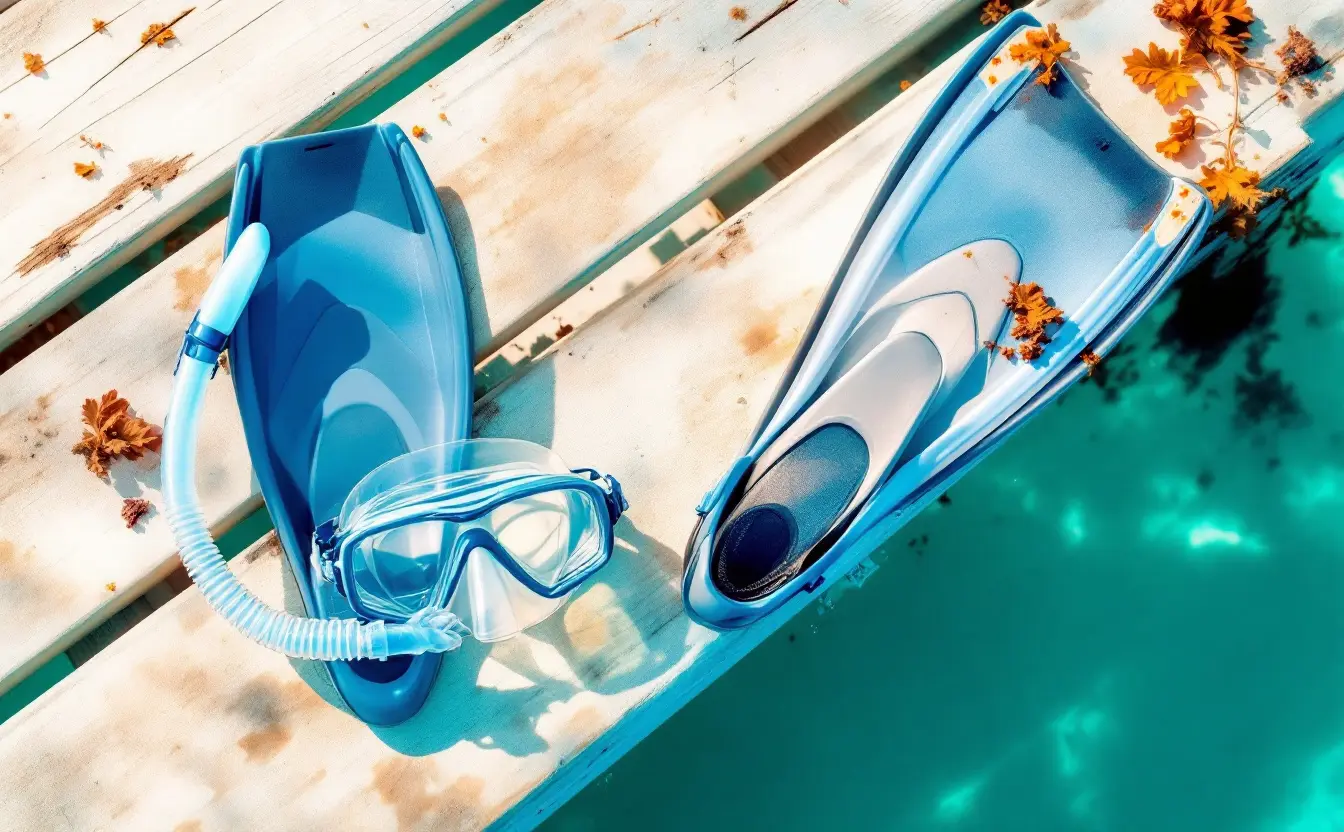
Every beach bar with a dive shack keeps a rental bin, and every rental bin has the same mask in it: hard skirt, scratched lens, a strap that has been tightened by a thousand strangers. Some days it fits. More often it lets in a thin trickle of water at the corner of your eye, and you spend the best reef of the trip lifting your head to empty it.
Island-ready picks
- Browse on Amazon
Adult mask and dry-top snorkel set
A mask that fits beats renting one that leaks
- Browse on Amazon
Short travel fins
Fit in a suitcase and still push you along
- Browse on Amazon
Reef-friendly mask anti-fog
Clear view without spitting in the mask


World Nomads travel insurance Cover for active trips, including snorkelling and boat days
Continue to World NomadsThat is the strongest argument for travelling with your own gear. A mask that fits your face, a snorkel you can breathe through comfortably and fins that do not rub will change a Bahamian holiday more than almost anything else in the case, and the whole kit weighs less than a pair of shoes. This guide covers how to choose each piece so it fits and packs well. For the safety side, from currents and boats to stings and reef manners, read our guide to snorkelling Bahamian reefs safely first.
The mask: fit before everything
A mask has one job, which is to hold a pocket of air in front of your eyes without letting water in. Lenses, colours and frames all matter less than the seal between the silicone skirt and your face.
The fit test
Do this in a shop if you can, or the moment a mail-order mask arrives, so you can still send it back.
- Push your hair off your forehead and let the strap hang loose, or flip it over the front of the lens.
- Rest the mask gently on your face. Do not press it in.
- Breathe in softly through your nose, then hold your breath.
- Let go. A mask that fits stays put on suction alone, with no gaps at the temples, the cheeks or under the nose.
- Smile and frown. If the seal breaks when your face moves, it will break in the water too.
Breathing in through your nose is only for the test. In the water you breathe through your mouth, and the mask should rest on your face with very little pressure.
Features worth having
- Tempered glass lenses. They resist scratching better than plastic, and tempered glass is the standard on reputable masks.
- A soft silicone skirt. Silicone seals better and lasts longer than hard plastic.
- Low internal volume. A mask that sits close to the face holds less air, which makes it easier to clear if water gets in.
- A strap that sits high. Wear it across the crown of the head, not over the ears, and only snug enough to stop it slipping. Overtightening distorts the skirt and is a common cause of leaks.
Moustaches and stubble break the seal under the nose, so expect a little seepage unless you trim. If you wear glasses, many masks take prescription lenses; ask an optician for advice before you rely on contact lenses in the sea.
What about full-face masks?
Many experienced snorkellers and instructors still prefer a traditional mask and a separate snorkel. Full-face designs can be hard to remove quickly in a hurry, and lifeguards and researchers have raised concerns about stale air building up in badly designed models. If you use one, choose a reputable model and practise in shallow water first.
Snorkels: classic, semi-dry or dry-top
The tube is the piece people think about least, yet it decides whether you spend the morning breathing easily or spluttering.
| Type | How it works | Good for | Trade-off |
|---|---|---|---|
| Classic tube | An open tube, often with a simple curve | Duck-diving to look at the bottom; clears with one sharp breath out | Lets in splash from small waves |
| Semi-dry | A splash guard at the top and a one-way purge valve at the bottom | Choppy days and most surface snorkelling | Still fills if you go under |
| Dry-top | A float valve at the top closes when the tube goes under | Beginners and nervous swimmers who hate swallowing seawater | Bulkier, and sand can jam the valve |
For most visitors on Bahamian reefs, where you float at the surface over shallow coral in a light breeze, a dry-top or semi-dry snorkel makes life easier. If you like diving down for a closer look, a simpler tube is quicker to clear when you come back up.
Try the mouthpiece before you commit. A soft silicone one that fits your bite saves your jaw on a long snorkel. By long-standing habit, the snorkel goes on the left side of the mask strap.
Fins: short, light and comfortable
Fins move you along with far less effort than kicking barefoot, and they let you hold position against a light current. You do not need long diving fins for reef snorkelling.
- Full-foot fins slip on like a shoe and are worn barefoot. They are light and simple, but they need to fit closely, and some people get blisters on long days. Thin fin socks help.
- Open-heel fins have an adjustable strap and are worn with neoprene boots. The boots double as water shoes for rocky entries, which is handy on ironshore beaches.
- Short travel fins have trimmed blades that fit flat in a suitcase. They give a little less push than long fins but plenty for floating over a patch reef, and they are easier to control near coral.
Whichever you choose, fins that rub or slip will cut a trip short. A fin that comes off in deep water usually sinks, so the strap matters as much as the blade.
Kids' sets
Children need masks sized for children's faces, not adult masks pulled tight. Do the same fit test with them, and choose a soft silicone skirt over cheap hard plastic. A short snorkel with a dry-top valve spares small swimmers the shock of a mouthful of salt water.
Practise in a pool or calm shallows first, where they can stand up. Teach them to breathe slowly through the snorkel with their face in the water before they ever float over a reef. Bright colours on masks and fins make children easy to spot from the beach or the boat.
Vests and floats
An inflatable snorkel vest lets a tired or nervous swimmer rest at the surface without treading water, and many adults like one for long swims. It is a buoyancy aid, not a life jacket. For weak swimmers and young children, an approved life jacket is the safer choice. A bright surface float with a dive flag, towed on a line, helps passing boats see you; our snorkelling safety guide explains why that matters around channels and harbours.
Keeping the mask clear
A new mask fogs badly because of a thin film left on the glass from manufacturing. Before the first swim, many people scrub the inside of a tempered glass lens with a little plain, non-gel toothpaste and rinse it well; follow the maker's instructions, and never do this to plastic or coated lenses. After that, a drop of anti-fog gel spread inside the lens and lightly rinsed keeps it clear. Spit works too, as generations of snorkellers will tell you.
Do not touch the inside of the lens with your fingers. Hang the mask around your neck between swims rather than pushing it onto your forehead, where a wave can knock it off and send it to the bottom.
Packing and care
Rinse everything in fresh water after each day and dry it in the shade. Sun yellows clear silicone and can warp fins left on a hot deck. Keep the mask in a hard case so the skirt is not crushed in the suitcase, and carry wet kit in a mesh bag or a beach tote that drains. Remember that sunscreen washes off you and onto the gear, so rinsing helps there too; our guide to reef-safe sunscreen explains what to look for in the bottle itself.
Our suggested kit
None of this gear has been through our own hands: the suggestions rest on makers' spec sheets and published reviews, and our product names are generic so you can choose by fit. The first bag is the core kit for an adult; the second adds what a family needs.
Shore bag
- Adult mask and dry-top snorkel setA mask that fits beats renting one that leaksBrowse on Amazon
- Short travel finsFit in a suitcase and still push you alongBrowse on Amazon
- Reef-friendly mask anti-fogClear view without spitting in the maskBrowse on Amazon
- Men's long-sleeve rash guard, UPF 50Covers shoulders and back during long snorkelsBrowse on Amazon
- Women's long-sleeve rash guard, UPF 50Covers shoulders and back during long snorkelsBrowse on Amazon
A small tube of mask anti-fog gel lasts a whole trip and takes up no room at all.
Shore bag
- Kids' mask and snorkel setSized for small faces, so it sealsBrowse on Amazon
- Inflatable snorkel vestLets nervous swimmers rest on the surfaceBrowse on Amazon
- Quick-dry water shoesRocky entries, sea urchins and hot sandBrowse on Amazon
- Roll-top dry bag, about 10 litresPhone, keys and a towel stay dry on boat days and wet landingsBrowse on Amazon
- Quick-dry microfibre towelDries fast and packs smallBrowse on Amazon
If you would rather not carry gear, or want someone to choose the reef for you, a guided snorkel trip from Nassau supplies the kit and the boat. And check your travel insurance before a trip built around the water; cover for active trips, including snorkelling, is worth having when the nearest clinic is a boat ride away. Our list of what to pack for the Bahamas covers everything else.
Frequently asked questions
Can I rent snorkel gear in the Bahamas?
Yes, in Nassau, Freeport and most places with a dive shop or a beach hut for visitors, and boat trips usually include it. Quality and fit vary, and on the smaller Family Islands rental gear can be hard to find. Bringing at least your own mask and snorkel solves the two biggest problems, fit and hygiene.
Are short travel fins good enough?
For snorkelling over shallow reefs, yes. They give a little less push than long fins but pack flat, weigh less and are easier to control near coral. If you plan to swim long distances or fight a current, longer fins help, but strong currents are better avoided altogether.
What size mask does a child need?
Fit matters more than age. Try the mask on the child's face with the strap loose, have them breathe in gently through the nose, and check it holds without gaps. A mask that needs a very tight strap to stay sealed is the wrong size.
Should I buy a dry snorkel or a regular one?
For floating at the surface, especially for beginners, a dry-top or semi-dry snorkel keeps most splash out and makes breathing more relaxed. If you like diving down to look at the bottom, a simple open tube is easier to clear. Either works well if the mouthpiece is comfortable.
Keep reading
Reef-safe sunscreen for the Bahamas: labels, ingredients and how much
Reef-safe sunscreen for a Bahamas trip: what the label does and does not promise, which filters people avoid, how much to pack and when to reapply.
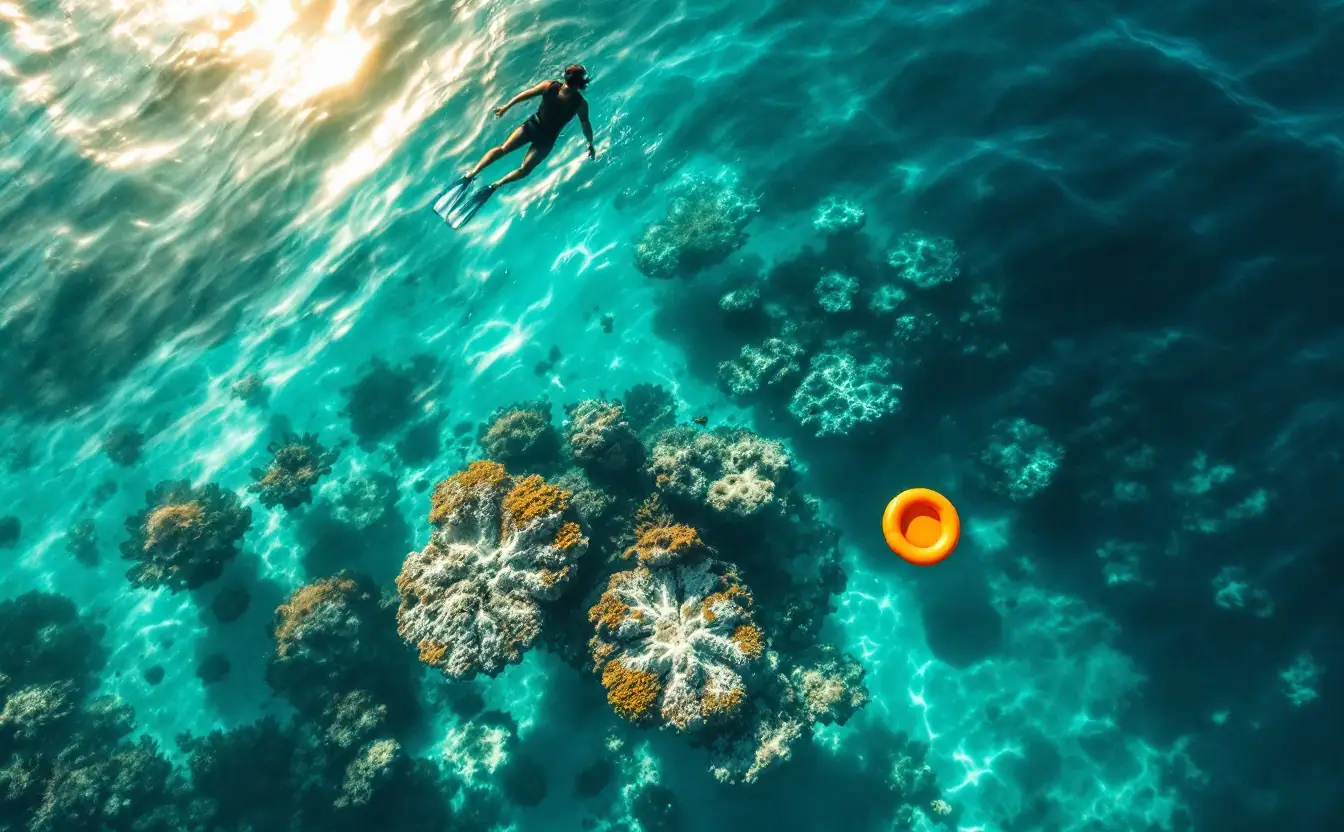
Snorkelling Bahamian reefs safely: currents, boats and reef manners
How to snorkel Bahamian reefs safely: reading tides and cuts, staying visible to boats, avoiding stings and scrapes, and habits that keep the coral healthy.
What to put in a Bahamas beach bag: shade, water and a cooler that copes
What to put in a Bahamas beach bag for a full day out: shade that copes with trade winds, a soft cooler, a sand-free mat, water, sun kit and boat-day bags.