Snorkel gear for kids in the Bahamas: masks, vests, fins and safety
Snorkel gear for kids in the Bahamas: fitting a mask to a small face, dry-top snorkels, fins, vests, rash guards and the supervision that matters most.

Marisa Cartwright · 9 min read
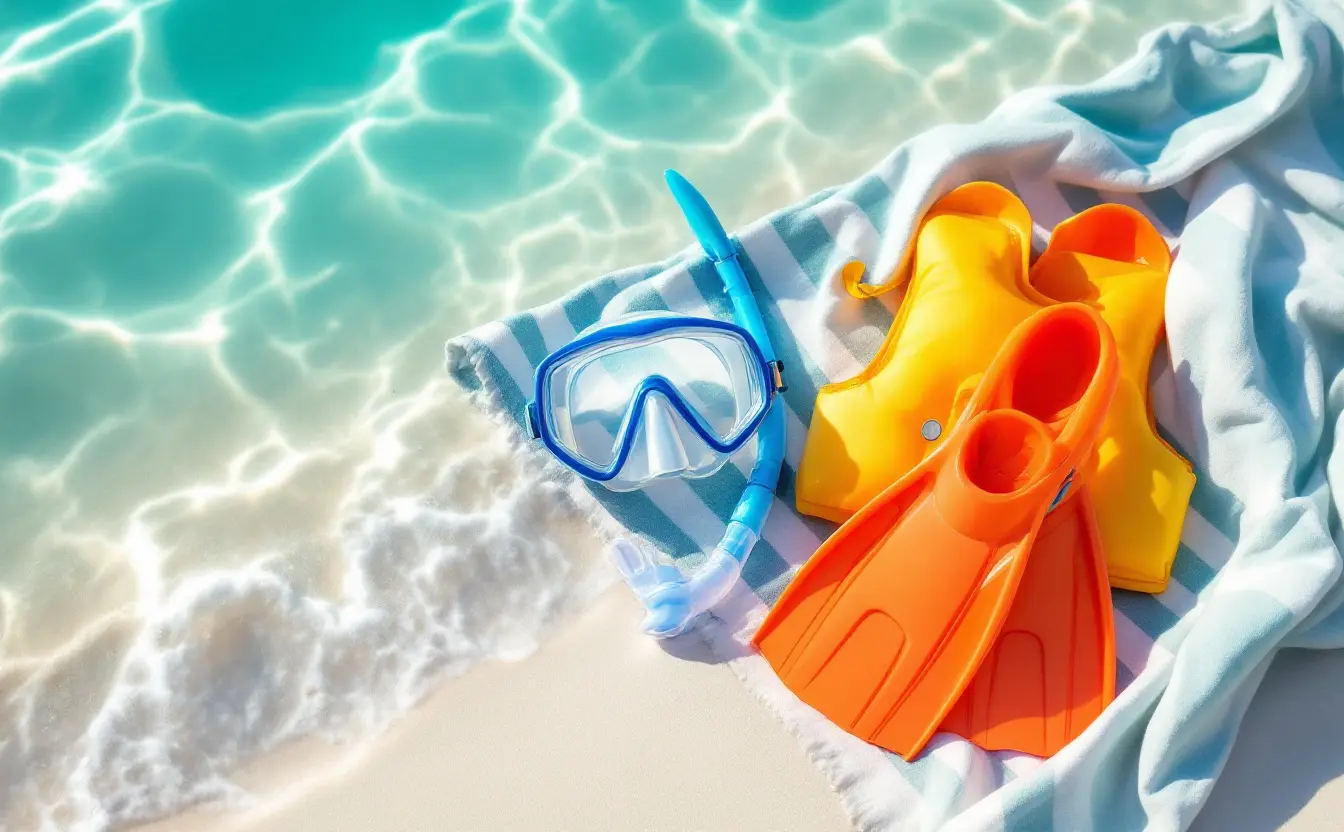
The first time a child puts their face in Bahamian water and sees a fish looking back, everything goes quiet. The kicking stops, the snorkel holds still, and a small hand points down at the sand in case you missed it. Getting there depends less on a famous reef than on two plain things: gear that fits a small face, and a first lesson in water shallow enough to stand up in.
Island-ready picks
- Browse on Amazon
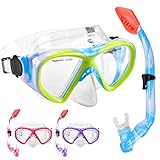
Kids' mask and snorkel set
Sized for small faces, so it seals
- Browse on Amazon
Inflatable snorkel vest
Lets nervous swimmers rest on the surface
- Browse on Amazon
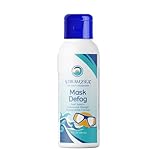
Reef-friendly mask anti-fog
Clear view without spitting in the mask
World Nomads travel insurance Cover for active trips, including snorkelling and boat days
Continue to World NomadsThis guide is about kitting out children for Bahamian water: masks, snorkels, fins, vests and sun cover, plus the practice and supervision that keep a good morning a safe one. If you are buying for the grown-ups too, our guide to snorkel gear for a Bahamas trip covers adult masks, fins and travel kit. For currents, boats and stings, read snorkelling Bahamian reefs safely before the first swim.
Is your child ready?
There is no set age for a first snorkel. Readiness has more to do with comfort in the water than with birthdays. Snorkelling asks a child to do two odd things at once: breathe only through the mouth, and keep the face down in the sea. Some take to it in minutes; others need a few sessions lying in ankle-deep water looking at the sand.
A child is usually ready to try when they can:
- put their face in the water without fuss and blow bubbles;
- float, or swim a few strokes, with or without a buoyancy aid;
- follow a simple instruction in the water, such as "stop and look at me";
- tell you, or signal clearly, when they are cold, tired or frightened.
If any of those is missing, keep the snorkel for the pool and try the sea later in the trip. Pushing a reluctant child over deeper water can put them off for years.
Masks for small faces
An adult mask pulled tight on a child's face will leak, pinch and fog. Children need a mask made for children: a narrower frame, a smaller nose pocket and a skirt that sits inside the hairline and clear of the mouth.
The kitchen-table fit test
Try this at home the day the mask arrives, so you can still change the size.
- Tie long hair back and brush any fringe off the forehead. Hair under the skirt is the most common cause of a leak.
- Hold the mask gently on the child's face with the strap hanging loose.
- Ask them to sniff softly through the nose and then let go.
- If the mask stays on by suction alone, with no gaps at the cheeks or under the nose, it fits.
- Now ask them to smile. A seal that breaks with a grin will break in the water.
Look for a soft silicone skirt rather than hard plastic, a tempered glass lens, and a wide strap with a buckle small fingers can adjust. A clear skirt lets in more light, which some children find less closed-in than a black one. The strap sits high on the back of the head, snug rather than tight.
Buying a kids' mask and snorkel set, sized for small faces, saves you matching two pieces separately; run the fit test on it all the same.
Snorkels: short, small and dry-topped
A child who gets one shocking mouthful of seawater may refuse to try again. That makes a dry-top snorkel, with a float valve that closes the tube when a wave washes over it, a good choice for beginners. A purge valve at the bottom lets the last drops drain when they blow out.
Size matters as much as the valve. A child's snorkel should be shorter than an adult's, with a mouthpiece small enough to grip without stretching the jaw. Dry-tops keep out most splash but not all of it, so show them how to clear the tube with one firm puff, like blowing out a birthday candle.
We would steer children towards a traditional mask and separate snorkel rather than a full-face design. A separate mask is easy to lift off in a hurry, and a child can tip the snorkel out of the mouth to talk or breathe the moment they stop.
Fins: small, close-fitting and optional at first
Fins help children keep up and save their legs, but the wrong pair causes more trouble than it solves. Fins that are too big rub, slip off and sink. Long, stiff blades tire small legs quickly.
- Full-foot fins slip on like a shoe and must fit closely. Buy for today's foot, not next year's.
- Adjustable open-heel fins with a strap are worn over neoprene booties or water shoes. They can last a child a season or two, and the booties protect feet on rocky entries.
- Short, soft blades are easier for children to kick with and kinder to coral if a fin strays near the reef.
Fins make walking awkward, so carry them into knee-deep water and put them on there. Some children are happier with no fins for the first few sessions; add them once breathing through the snorkel feels normal.
Snorkel vests: a buoyancy aid, not a life jacket
This is the point to be clear about. An inflatable snorkel vest is a buoyancy aid. It lets a child who can already swim rest at the surface and float face-down with less effort, and it is inflated by mouth, so you can let a little air out as confidence grows. It is not a life jacket. It is not designed or approved to keep a tired or panicking child's head above water, and like anything inflatable it can leak.
For a child who cannot swim, or swims weakly, the safer choice in the sea is a properly fitted life jacket approved for their weight by the US Coast Guard or the equivalent body where you live. Check the label, and do not buy one to grow into. Armbands, rings and pool toys are not safety devices at all.
An inflatable snorkel vest earns its place for the confident child who simply needs somewhere to rest between bursts of looking, and for any adult who likes the same. Check the maker's size and weight range before you buy.
Sun: cover first, then sunscreen
A child snorkelling for half an hour has their back, shoulders and the backs of their legs turned to the sun the whole time, and the water hides how hot it is. A long-sleeved rash guard rated UPF 50 and swim leggings or long shorts do more than any lotion. Bright colours have a second benefit: a lime-green or orange rash guard is far easier to spot among the waves than navy blue.
Use sunscreen on what the fabric leaves bare: face, ears, the back of the neck, hands, the backs of the knees and the tops of the feet. Apply it well before the swim and again after towelling off. A mineral sunscreen stick is the easiest way to redo a small nose between swims without a fight. Our sunscreen planner works out how much a family needs for the trip, and our guide to reef-safe sunscreen explains what to look for on the label.
Even in warm water, children tend to get cold sooner than adults. Shivering or chattering teeth mean it is time for a towel and a snack, whatever the reef is doing.
A three-step plan for the first snorkel
Children who struggle in the sea have usually been asked to do everything at once. Stages spread over two or three days work far better.
| Stage | Where | What to practise | Move on when |
|---|---|---|---|
| 1. Dry run | On land, the bath or a pool step | Mask on, breathe through the snorkel for a minute, clear it with a puff | They breathe calmly without lifting the mask |
| 2. Face down | A pool or knee-deep, sandy shallows | Lie face down holding your hand, look at the sand, lift the head and empty the mask | They float and breathe for a few minutes, unworried |
| 3. First swim | A calm, sheltered beach where they can stand | Short swims along the shore, fins on, with you alongside | They ask to go further, not you |
Agree hand signals before the first swim: a thumbs up for "all fine", a hand on the head for "I want to stop". Keep the first sea sessions short, end them while the child is still having fun, and stay over sand. Coral heads and urchins can wait until they float easily without reaching for the bottom.
Supervision and conditions
The CDC's advice on preventing drowning asks for a responsible adult to supervise children closely and constantly around water, without phones, books or alcohol to distract them. In the sea we would go further: one adult in the water for each child who is snorkelling, close enough to touch, and ideally another watching from the beach. Swimming lessons help, but they do not replace that watching adult.
Choose the water as carefully as the gear.
- Calm and sheltered. Pick a beach on the lee side of the island, with no surf and a gentle sandy slope.
- Away from boats. Stay well clear of channels, harbour mouths, docks and boat ramps, and tow a bright float with a dive flag if you swim out at all.
- No currents. Avoid cuts between cays, points and anywhere water visibly flows. Ask someone local before swimming at a new spot.
- Feet off the bottom. Shuffle when wading so resting stingrays move off, and teach children never to stand on coral or put a hand on rock they cannot see.
Before booking a boat trip, ask whether the crew carries children's life jackets and kids' masks. A good crew gives a briefing and counts heads in and out of the water.
The family kit
The two bags below are our starting point for a family trip. We chose them from makers' size charts, specifications and published reviews; none of it has been tried by our own children, so run the fit test as soon as each piece arrives. The first bag is the child's kit; the second covers sun and the adults who will be in the water with them.
Shore bag
- Kids' mask and snorkel setSized for small faces, so it sealsBrowse on Amazon
- Inflatable snorkel vestLets nervous swimmers rest on the surfaceBrowse on Amazon
- Reef-friendly mask anti-fogClear view without spitting in the maskBrowse on Amazon
- Quick-dry water shoesRocky entries, sea urchins and hot sandBrowse on Amazon
Shore bag
- Women's long-sleeve rash guard, UPF 50Covers shoulders and back during long snorkelsBrowse on Amazon
- Men's long-sleeve rash guard, UPF 50Covers shoulders and back during long snorkelsBrowse on Amazon
- Mineral zinc oxide sunscreen lotion, SPF 30 or higherZinc-based, water resistant, for body coverageBrowse on Amazon
- Mineral sunscreen stick for faceEasy to reapply on nose and cheeks between swimsBrowse on Amazon
- Quick-dry microfibre towelDries fast and packs smallBrowse on Amazon
- Roll-top dry bag, about 10 litresPhone, keys and a towel stay dry on boat days and wet landingsBrowse on Amazon
Frequently asked questions
What age can children start snorkelling?
There is no fixed age. Many children manage a mask and snorkel in a pool from around five or six, while others are happier waiting a year or two. What matters is that they are comfortable with their face in the water, can follow instructions and have an adult right beside them.
Is a snorkel vest the same as a life jacket?
No. A snorkel vest is an inflatable buoyancy aid that helps a swimmer rest at the surface. It is not designed to keep a child's head above water the way an approved life jacket is. Children who cannot swim well should wear a properly fitted life jacket in the sea.
Should children use full-face snorkel masks?
We would choose a traditional mask and separate snorkel for children. They are easier to take off quickly and to clear, and a child can drop the snorkel to talk or breathe the moment they stop. Whatever you choose, practise in a pool first.
Do children need fins to snorkel?
Not at first. Many children learn more happily without them, then add short, soft fins once breathing through the snorkel feels easy. Fins should fit closely; loose ones rub and slip off.
Can we rent kids' snorkel gear in the Bahamas?
Dive shops and boat operators on the busier islands often have some children's sizes, but the range is small and fit varies. On the quieter Family Islands you may find nothing at all, so bring a mask and snorkel that already fit.
Keep reading
Snorkel gear for a Bahamas trip: masks, snorkels and fins that travel
Snorkel gear for a Bahamas trip: how to fit a mask, dry-top or classic snorkels, short travel fins, kids' sets, vests and keeping the glass from fogging.
Reef-safe sunscreen for the Bahamas: labels, ingredients and how much
Reef-safe sunscreen for a Bahamas trip: what the label does and does not promise, which filters people avoid, how much to pack and when to reapply.
Snorkelling Bahamian reefs safely: currents, boats and reef manners
How to snorkel Bahamian reefs safely: reading tides and cuts, staying visible to boats, avoiding stings and scrapes, and habits that keep the coral healthy.