Lifestyle
Reef-safe sunscreen for the Bahamas: labels, ingredients and how much
Reef-safe sunscreen for a Bahamas trip: what the label does and does not promise, which filters people avoid, how much to pack and when to reapply.
Travel, culture & island life in the Bahamas and the Caribbean
Everything we have published, newest first: 18 stories so far.
Reef-safe sunscreen for a Bahamas trip: what the label does and does not promise, which filters people avoid, how much to pack and when to reapply.
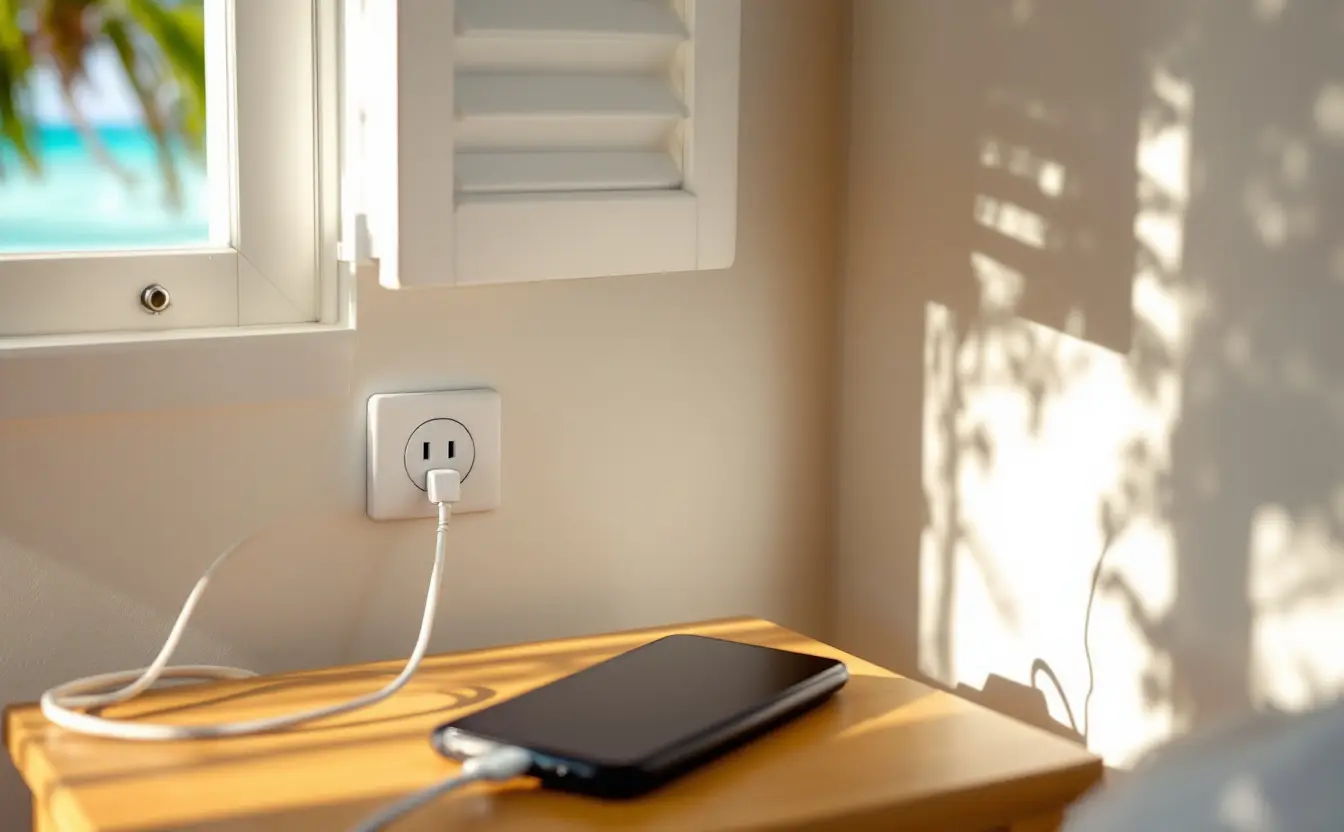
Bahamian sockets take US plugs at 120 volts and 60 Hz. What US, Canadian, UK and EU visitors need, plus charging on boats, small cays and cruise ships.
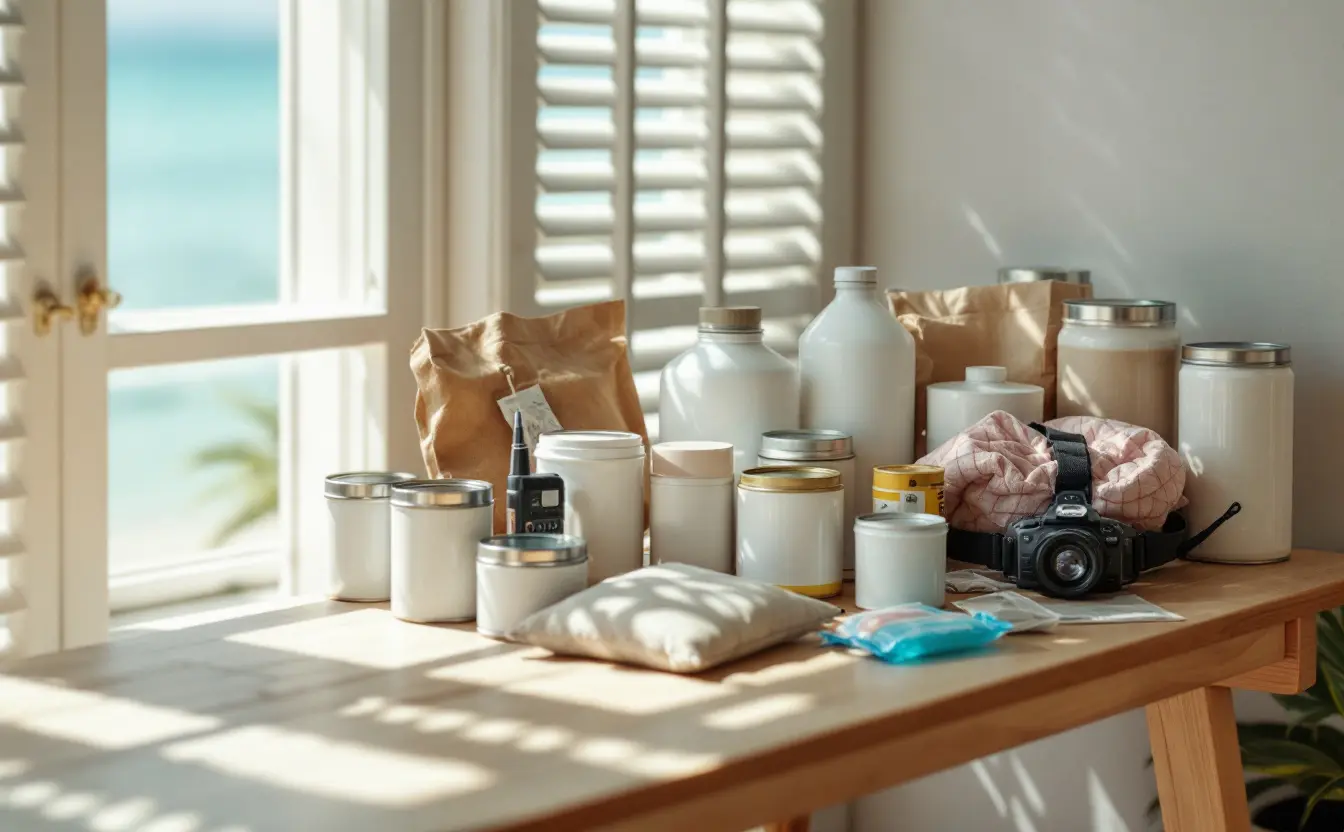
A hurricane kit list for Bahamian homes: how much water to store, food that needs no fridge, light, radio, documents, first aid and power that is safe to run.
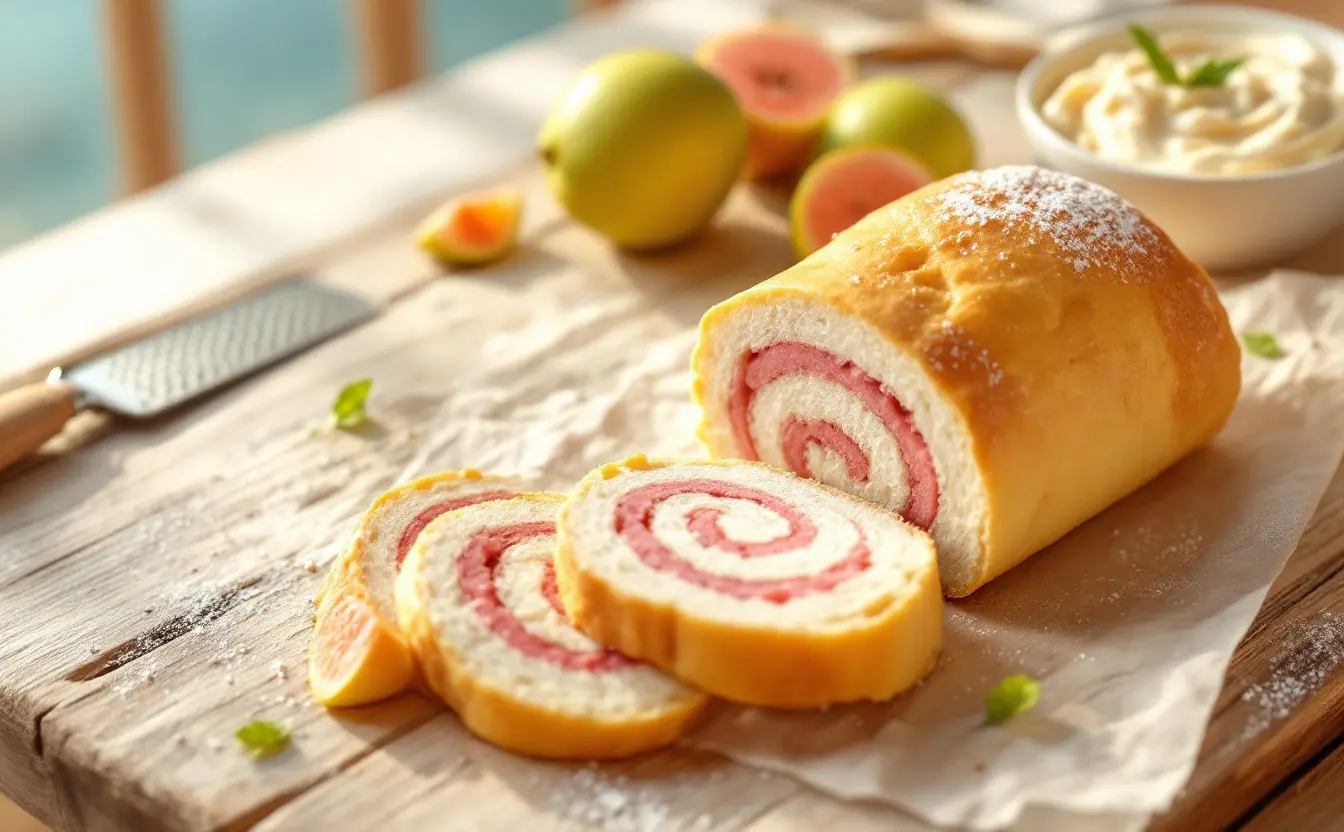
Make Bahamian guava duff at home: where the rolled pudding came from, a full recipe in metric and cups, the rum butter sauce and fixes for common problems.
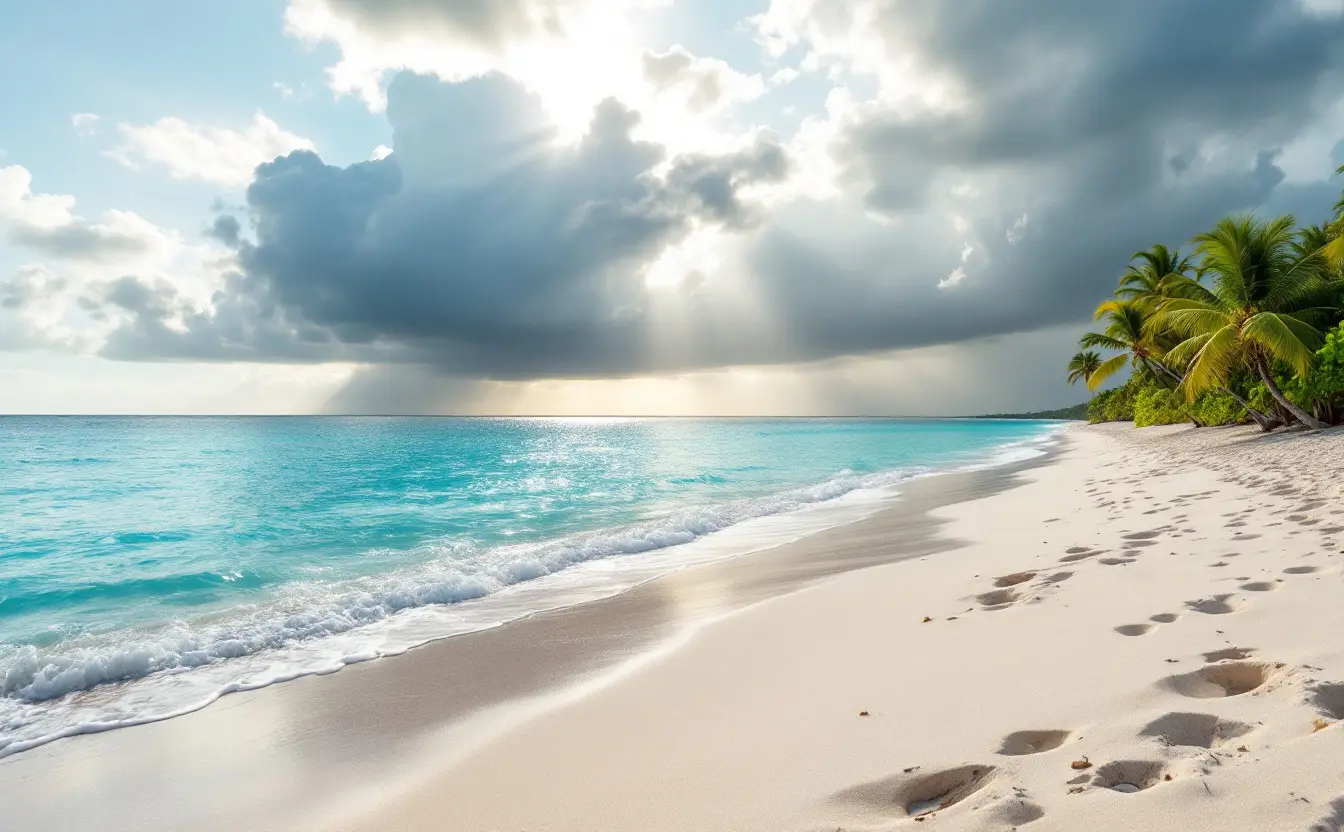
October in the Bahamas: hot days, a warm sea, the tail of hurricane season, National Heroes Day, quieter hotels and what to pack for showers and sun.
What to pack for the Bahamas in winter, summer or hurricane season, for Nassau or the Family Islands, with boat days covered and a sample week's list.
A leg-by-leg Exumas route: overnight mail boat from Nassau to the cays, small boats around Staniel Cay, a light-plane hop to George Town and harbour ferries.
How visitor spending flows through the Bahamian economy: cruise versus stopover visitors, Nassau versus the Out Islands, and the risks of relying on tourism.
The Bahamas sits in the Atlantic, not the Caribbean Sea, yet it belongs to CARICOM and shares the region's history. Here is how geography and politics fit.
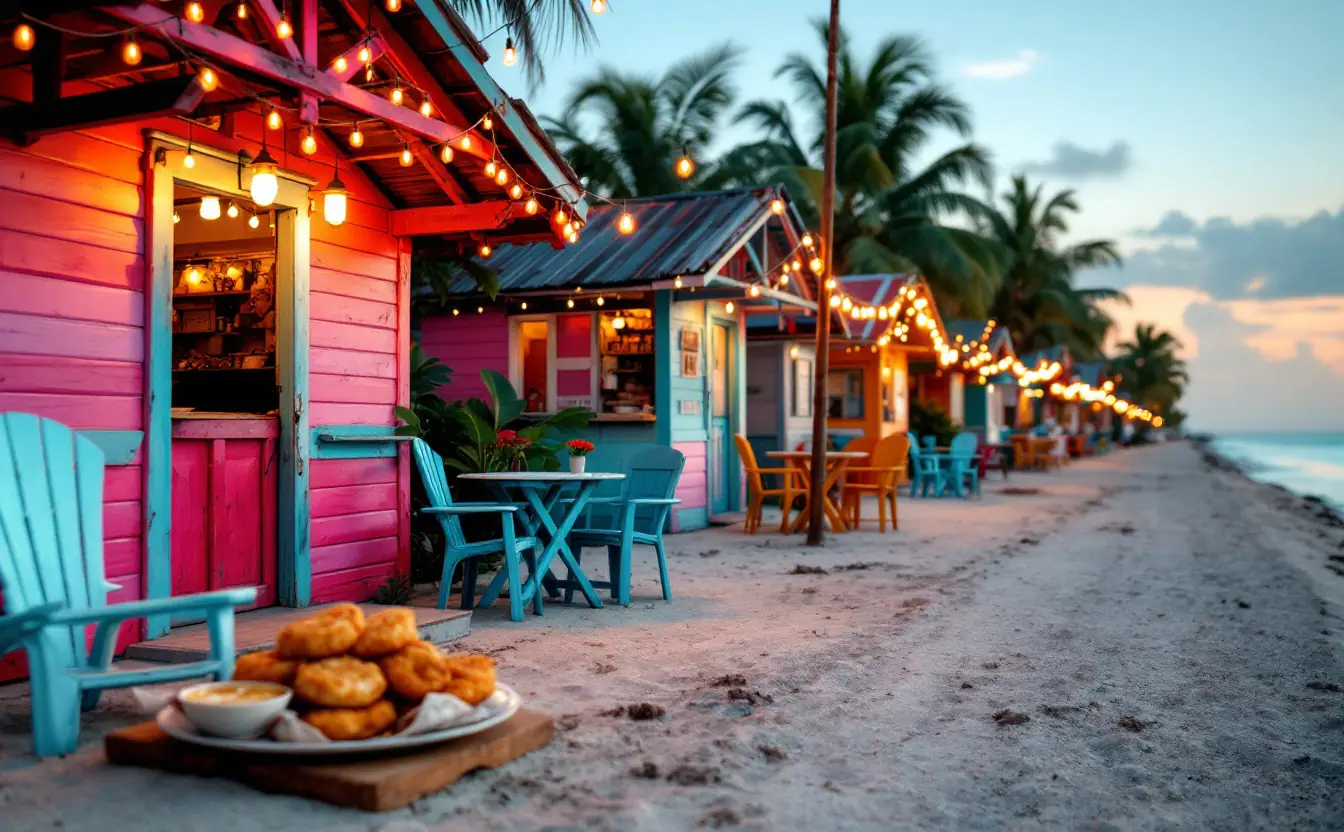
How to spend an evening at Nassau's Arawak Cay Fish Fry: getting there, when to arrive, how ordering works, what to eat and drink, and seafood seasons.
A practical decision guide to moving to the Bahamas: residence and work permits in general terms, renting versus buying, utilities, schools and grocery costs.
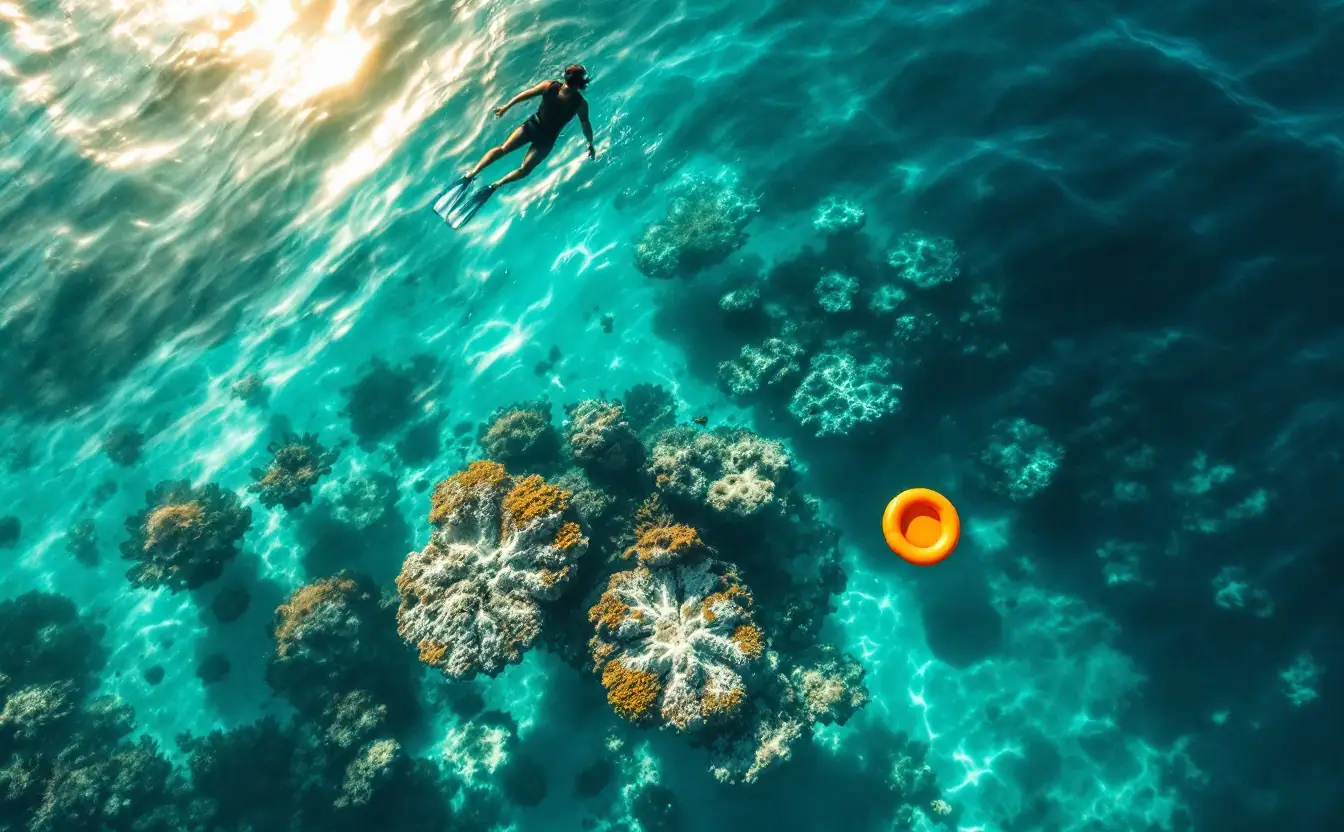
How to snorkel Bahamian reefs safely: reading tides and cuts, staying visible to boats, avoiding stings and scrapes, and habits that keep the coral healthy.